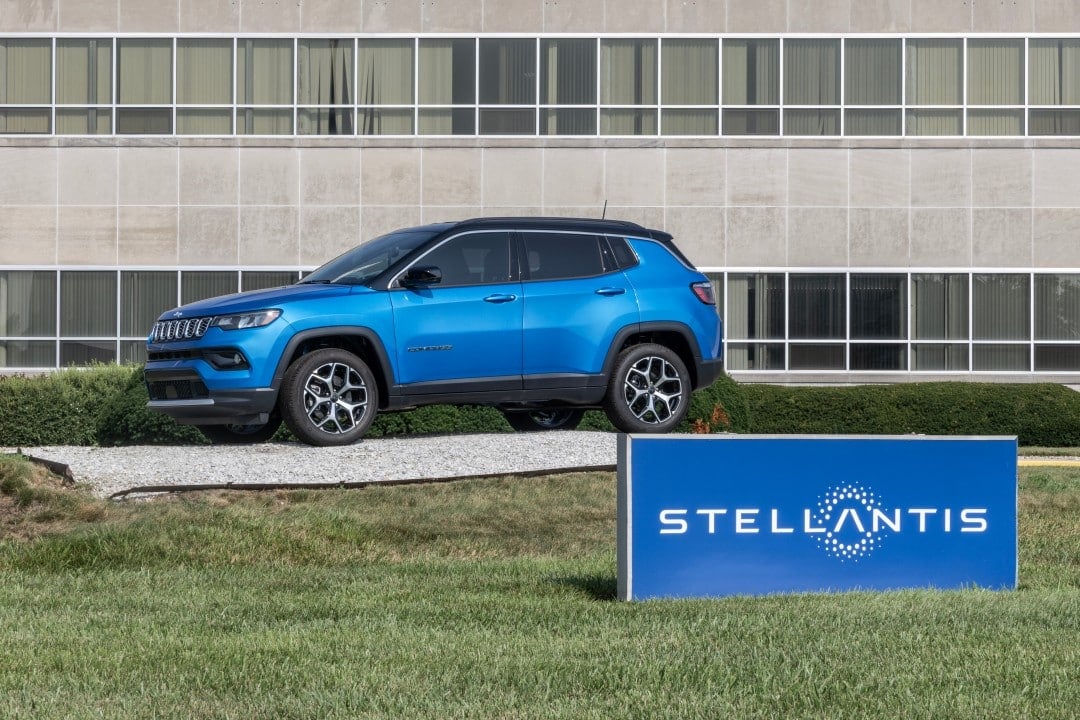
Stellantis, one of the largest global automotive groups, has initiated a massive recall on Alemanha, covering approximately 80,000 vehicles. The preventive measure aims to resolve a potential fire risk that could compromise the safety of occupants and those around the car.
The call became public after confirmation by a spokesperson for the company’s German operations. The statement details that models from several of the conglomerate’s brands, including Peugeot and Citroën, are involved in this corrective process.
The crux of the issue lies in a specific technical problem, identified in vehicles manufactured between model years 2023 and 2026. Este defect can lead to overheating of components in the engine compartment, raising concerns about the integrity of the cars.
Context of the call
Autoridade Federal Alemã of Transporte Motorizado (KBA), headquartered in Flensburg, was responsible for publishing the first recall notices for several brands that make up the Stellantis portfolio. The action at Alemanha is part of a much broader global effort, which could impact a total of around 700,000 vehicles worldwide.
The international scope of the call demonstrates the seriousness with which the automaker and regulatory authorities are treating the matter. Consumer safety is the top priority, leading to the mobilization of significant resources to identify and correct the issue in all affected markets.
Origin of the technical problem
The technical problem that led to this extensive recall is directly linked to the distance between the gasoline particle filter tube and the belt-driven generator on some models. Esta Inadequate proximity between components is the main cause of the concern raised by Stellantis and KBA.
In situations where there is greater humidity, insufficient spacing can create conditions for water to penetrate the system. Essa water ingress, in turn, has the potential to generate an electrical arc, triggering a thermal disturbance that results in overheating. In the most critical scenario, this overheating can culminate in a risk of fire within the engine compartment, requiring immediate intervention to protect the lives of drivers and passengers.
Affected models and years
The vehicles covered by this recall campaign belong to several of the renowned brands that are part of the Stellantis group. Jeep, Fiat and Opel. The diversity of brands and models highlights the complexity of the identified fault.
The specific model years that require attention are 2023 through 2026. Esta time window highlights the importance of owners checking their vehicles, even if relatively new, to ensure they are not among those affected by the fault. The scope allows a large number of consumers to be aware and be able to take appropriate action.
Procedures for owners
Stellantis is already in the process of communicating directly with the owners of vehicles identified as affected by the failure. The objective is to inform about the need for the recall and guide the next steps to carry out the repair. The company seeks to ensure that all customers receive clear and understandable instructions.
Owners who are notified must contact an authorized dealer for their brand to schedule service. The repair procedure is estimated to take approximately 30 minutes, a relatively short time that minimizes inconvenience to consumers.
It is essential to highlight that all repairs related to this recall will be carried out at no cost to the vehicle owner. Esta is standard practice in the automotive industry in cases of manufacturing defects that pose a safety risk, reinforcing the company’s commitment to customer satisfaction and protection.
Automotive safety and prevention
Carrying out recalls is a crucial tool for ensuring safety in the automotive sector, allowing manufacturers to proactively correct faults that may arise after vehicles are sold. The quick response from Stellantis, together with KBA’s inspection, demonstrates how seriously the industry treats user safety. Accident prevention and life protection are priorities that guide these operations, even if they involve a large volume of vehicles and significant costs.
Continued vigilance by regulatory authorities, such as KBA at Alemanha, plays a vital role in requiring automakers to act transparently and efficiently. Estas actions not only protect consumers from potential risks, but also reinforce trust in the quality and responsibility of brands. Além Furthermore, rapid dissemination and easy procedures for owners contribute to the correction being carried out in a comprehensive and minimally disruptive manner.
History of recalls in the industry
Recalls are a relatively common occurrence in the global automotive industry, reflecting the increasing complexity of modern vehicles and the stringency of safety standards. Falhas can arise due to several factors, from problems in component design to defects in manufacturing processes. Transparency from automakers and the actions of regulatory bodies are essential to protect consumers.
Over the years, recalls have been issued for a variety of issues, including brake system failures, defective airbags, electrical problems and even issues related to the structure of the vehicles. Cada case serves as a learning experience for the industry, driving continuous improvement in design, testing and production processes.
The actions of bodies such as Autoridade Federal Alemã of Transporte Motorizado (KBA) are an example of how legislation and inspection contribute to a safer environment for drivers and passengers. Eles monitor vehicle conditions and ensure that companies fulfill their responsibilities. Esse integrated system helps mitigate risks and ensure that issues are addressed with due urgency and effectiveness.
Importance of adhering to the recall
For owners of Stellantis vehicles affected by this recall, adherence to the correction procedure is of paramount importance. Ignorar warning may expose occupants and other road users to an unnecessary risk of engine compartment fire. Quick action guarantees the safety and integrity of the car.
