The price of gasoline that drivers find at the pump results mainly from elements external to the operation of retail stations. Cerca half of the amount paid corresponds to the cost of crude oil, an essential raw material for the production of fuel. Refinarias which transform oil into gasoline account for another relevant share, while taxes and distribution costs complete the composition. Postos act as transferors of these amounts, adjusting prices based on what they pay for the lots received.
Different stations in the same region may display different values due to local factors such as sales volume, location and operating strategy. Alguns establishments purchase fuel from various distributors or have contracts that influence the acquisition cost. Competition between stations also leads to small differences, but without changing the dependence on wholesale prices.
- Crude oil cost represents approximately 50% of the final price
- Refineries contribute around 20% of the total
- Federal, state and local taxes add up to close to 20%
- Station margin is around 10%, covering operational expenses
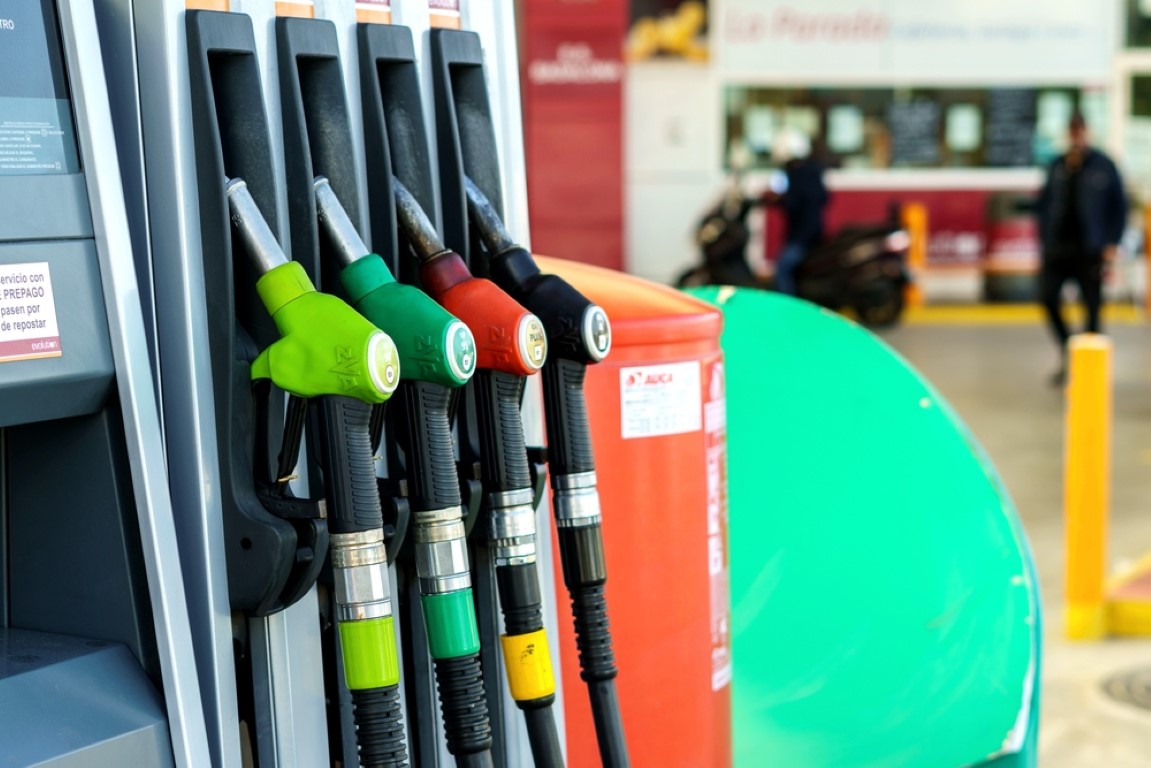
Recent increase reflects tensions in the international oil market
Crude oil prices have risen sharply in recent weeks in response to geopolitical events that have affected global supply routes. Essa The increase spread quickly to refining costs and to the price paid by stations when receiving new shipments. Varejistas readjust the values at the pump to cover these increases, with no margin to fully absorb the variations.
Independent stations and larger chains face the same pricing mechanism. The owner of a gas station at Minneapolis, for example, sets the value based on the acquisition cost and operating expenses of the unit. Ele maintains competitive prices in relation to the local average, but recognizes the limitation to interfere with the previous chain. Ajustes Daily or weekly become common during periods of volatility.
Price composition reveals little influence from retailers
The formation of the final price involves multiple steps from extraction to sale at the station. Crude oil accounts for the largest share, followed by refining processes that include distillation and addition of components to meet regional specifications. Distribuidoras and transport companies add logistics costs that vary depending on the distance from the refineries.
Taxes represent a fixed part in most markets, with rates defined by federal, state and municipal governments. Esses Taxes do not depend on the individual management of stations. The remaining margin covers salaries, rent, equipment maintenance and other operating expenses, leaving little room for extraordinary profits in bullish scenarios.
Local variations between stations arise from specific conditions
Nearby fuel stations may have different prices due to the flow of customers, the type of service offered and the volume of fuel sold monthly. Postos With high turnover, they are able to negotiate better conditions with suppliers in some cases. Outros, located in less busy areas, face more diluted fixed costs per liter sold.
The marketing strategy also influences the differences. Algumas units use fuel as an attraction for internal convenience sales, while others prioritize margins on the fuel itself. Essas operational choices explain small fluctuations observed between neighbors, without changing the fact that the base price comes from abroad.
Station operating costs include factors beyond fuel
In addition to the amount paid for fuel, owners bear expenses such as electricity, insurance, credit card fees and pump maintenance. Essas Items vary depending on the size of the operation and the region. In periods of high wholesale prices, the transfer occurs gradually to maintain the viability of the business.
Distributors deliver the product at a price already impacted by international variations. Postos receive the fuel and define the final value considering the immediate cost of replacement. Essa dynamics prevents retailers from maintaining artificially low prices for an extended period of time without compromising future inventory.
Tight margins limit the ability to absorb increases
The average margin at gas stations in recent years was around 38 cents per gallon at Estados Unidos, an amount that covers multiple fixed and variable expenses. Quando The acquisition cost rises, retailers pass on the increase to avoid losses on replacement. Essa The practice occurs in a similar way in different regions, regardless of the size of the network.
Local competition puts pressure on adjustments not to be excessive. Postos Those who try to maintain prices well below the market face difficulty replacing stock at the same cost. The balance between competitiveness and operational sustainability defines the daily behavior of prices at the pump.
Global Events Accelerate Changes in Wholesale Prices
Tensions affecting important oil transport routes have an immediate impact on futures contracts and spot prices. Refinarias adjust their operations according to the availability and cost of raw materials. Esses movements arrive at stations within a few days, requiring frequent updates to price displays.
The volatility of the international market makes short-term forecasts challenging for everyone involved in the chain. Postos monitor wholesale quotes daily to define competitive values that attract customers without compromising business continuity. Transparency in this dynamic helps consumers understand the reasons for frequent fluctuations.
The gasoline pricing mechanism demonstrates that individual gas station decisions have limited influence on the final price presented to drivers. Most components escape the direct control of retailers and respond to global market, regulatory and logistical forces. Ajustes constants reflect the need for alignment with actual acquisition and operating costs.