Capsule Orion of mission Artemis II, with four astronauts on board, is carrying out this Monday the overflight of Lua according to the schedule established by Nasa. The spacecraft reaches the closest point to the satellite at around 8:02 pm, time of Brasília, at a distance of approximately 6,550 kilometers above the lunar surface. The crew conducts scientific observations for about six hours to collect data to support future landing missions.
The team is made up of astronauts Reid Wiseman, Victor Glover, Christina Koch and Jeremy Hansen. Eles surpasses the record for the longest distance ever traveled by humans, a mark set by Apollo 13 in 1970. The trajectory allows Orion to pass through the hidden side of Lua, at which point there is a temporary interruption in communication with the control center.
- Orion enters the sphere of gravitational influence of Lua at dawn.
- The crew begins lunar observations focusing on surface features.
- Astronauts divide tasks to maximize the use of the capsule’s windows.
Detailed flyover schedule
The sequence of events begins early on Monday. Às 1:42 am, the capsule reaches the point where lunar gravity surpasses Earth’s. At around 3 pm, the astronauts break the historical distance record of Terra. The lunar observations themselves begin at 3:45 pm and last until 10:20 pm.
During this period, the crew records images and data from the lunar surface. The ship passes behind Lua from 7:44 pm, which causes loss of signal with Terra for around 40 minutes. Communication is reestablished at around 8:25 pm, after the moment of closest approach.
The capsule follows a free return trajectory that facilitates safe return. Astronauts take advantage of limited windows for visual and photographic observations, alternating between pairs to optimize the time available within Orion.
Critical moment of lunar passage
The most delicate phase occurs when Orion positions itself behind Lua. The loss of communication is expected and planned, as a result of the satellite’s natural blocking. Nesse interval, the crew depends exclusively on the ship’s internal systems.
The closest point is at 8:02 pm. Nesse Instantly, Lua appears to the astronauts with the approximate size of a basketball stretched out on their arm. The team records details of the hidden face and specific regions indicated by the scientific team on the ground.
After contact is reestablished, observation activities continue until the end of the main period. The mission collects valuable information about the lunar environment to support planning for Artemis III, expected to include the first crewed landing in the current program.
Mission preparation and objectives
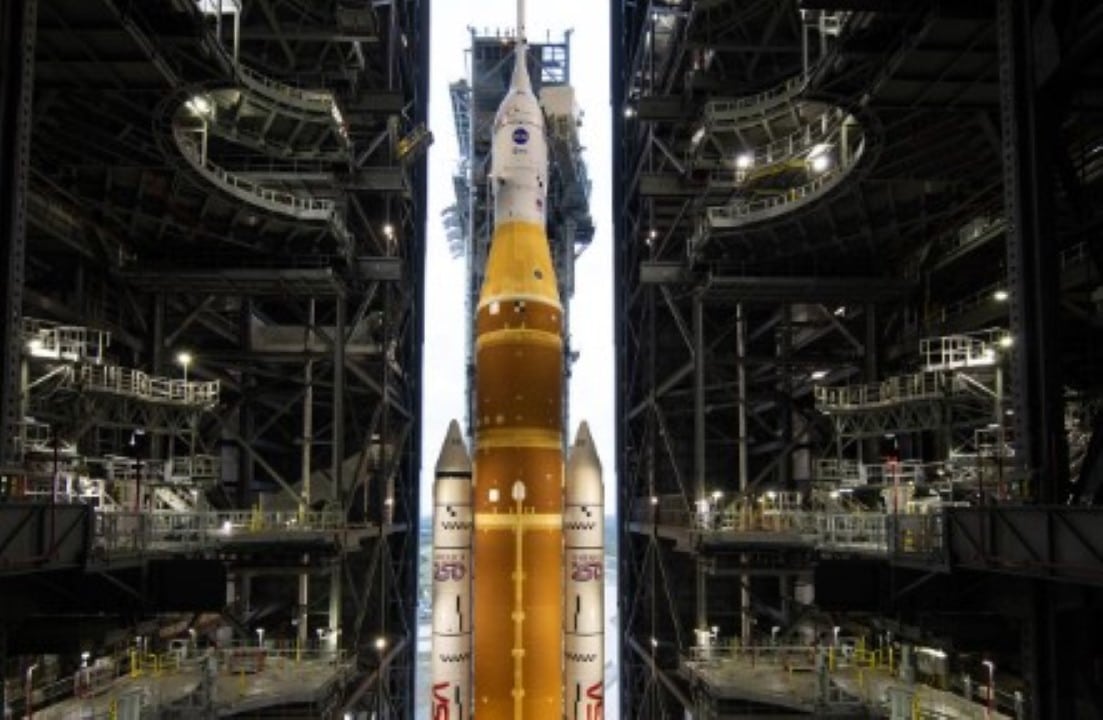
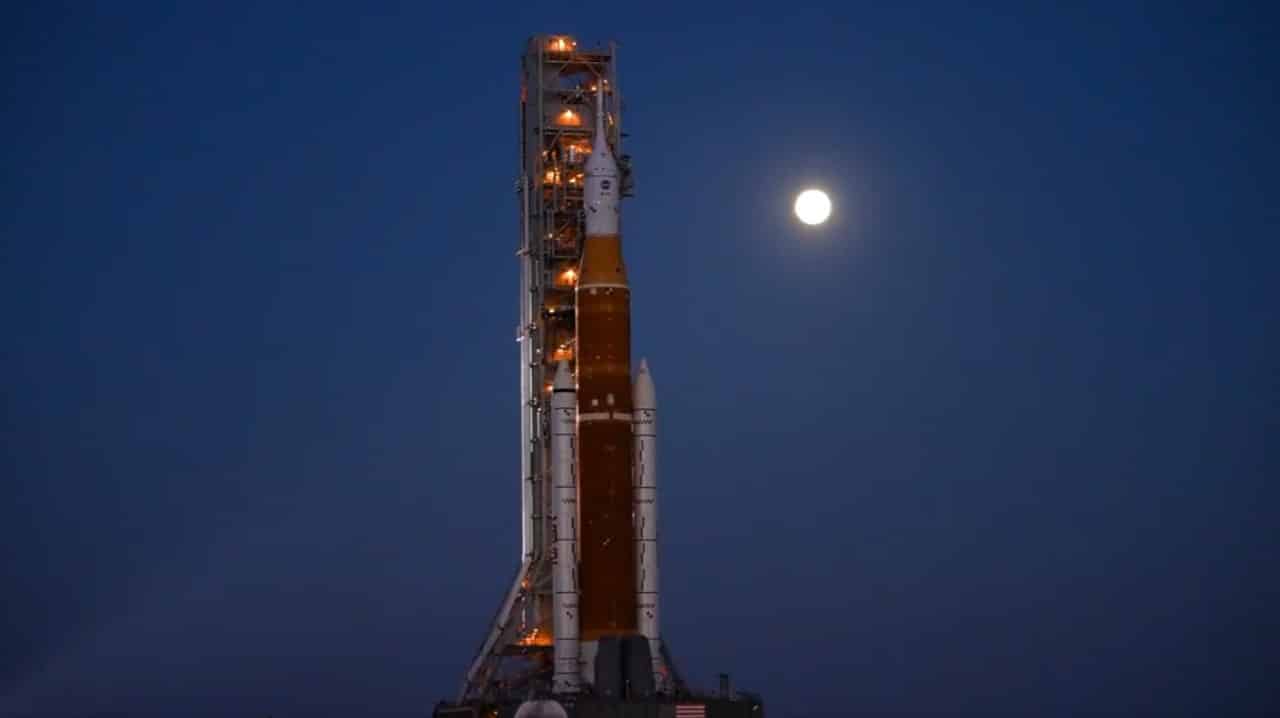
Artemis II represents the program’s first manned flight since launch on April 1. Capsule Orion, launched by rocket Space Launch System, follows a route that tests life support, navigation and communication systems in deep space. The data obtained during the flyby directly contributes to the development of lunar landing technologies.
Astronauts perform pre-programmed tasks that include monitoring equipment and adjusting trajectory when necessary. The mission validates operations at extreme distances and paves the way for a sustainable presence at Lua.
Nasa follows every step with live broadcasts and real-time analysis. The crew maintains frequent contact outside the occultation period, reporting onboard conditions and confirming the functioning of systems.
Flight technical details
The minimum distance of 6,550 kilometers allows for detailed views without entering lunar orbit. Orion follows a hybrid trajectory that combines initial propulsion with precise corrections. Engineers adjusted the route based on telemetry data collected in previous days.
During the flyby, astronauts observe both the near and far sides of Lua. The images and measurements help map areas of interest for future exploration, including possible landing sites and natural features.
The capsule maintains thermal and energy stability even with temporary signal interruption. Sistemas Redundants ensure crew safety at all stages of the passage.
Transition to return to Terra
On Tuesday, at around 2:25 pm, the mission leaves the lunar gravitational influence and begins the return journey. The return journey should take around four days, with arrival scheduled at Terra on Friday. Correções of trajectory along the way ensures the accuracy of the ocean splashdown.
The team continues to monitor Orion’s performance during the reentry phase. Testes carried out so far confirm the robustness of the thermal shields and recovery parachutes.
The data collected in the lunar flyby enriches Nasa’s database of information on deep space operations. Artemis II marks a concrete step in the human return to Lua after more than five decades.
Scientific importance of the flyby
The observations made by the crew complement images from previous satellites and robotic missions. The human perspective allows us to capture nuances that help refine lunar models. The team focuses on specific geological features pre-selected by scientists.
The communication interruption tests the ship’s autonomy protocols in real conditions. The astronauts perform trained procedures to manage Orion without immediate support from the ground during the 40 minutes behind Lua.
The distance record overcome reinforces technological advancement since program Apollo. The mission demonstrates the ability to send humans to distant regions in a safe and controlled manner.
Artemis II fulfills its role as a manned test flight. The results obtained guide adjustments for the next stages of the program, including the development of landing modules and lunar habitats.