

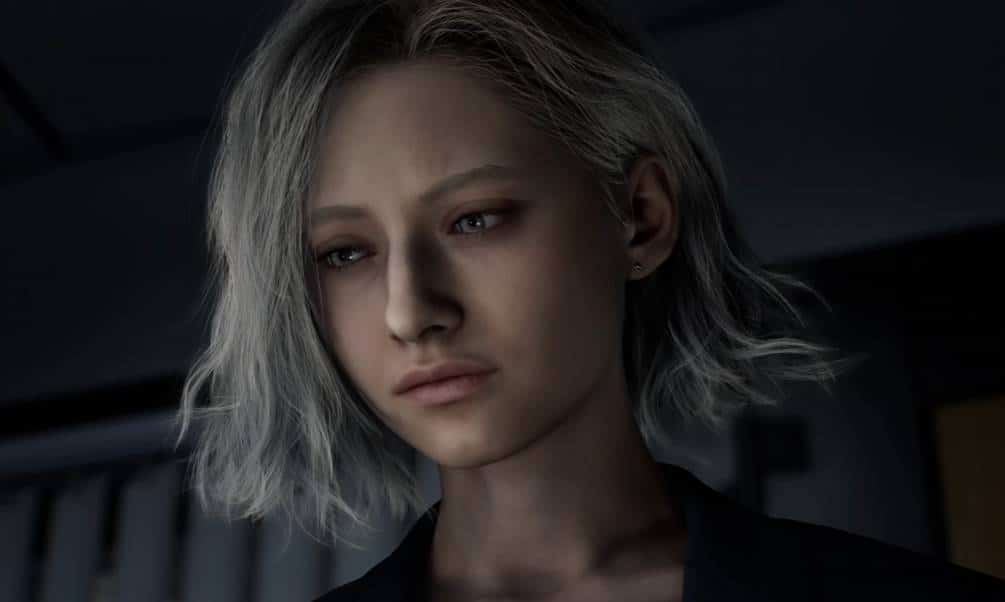
The film franchise based on the Capcom games is undergoing a complete overhaul under the command of director Zach Cregger. The new production ignores previous adaptations and focuses on an independent story, set in the universe already established by biological threats.
The script moves away from figures known to the public, such as Leon S. Kennedy, Jill Valentine and Albert Wesker, to center the action on ordinary people. The strategy aims to rescue the essence of immediate survival that marked the first titles in the horror video game series.

Recent test sessions revealed a roughly ninety-minute cut focused entirely on sustained tension. The project places a delivery man at the center of a sudden outbreak in the iconic Raccoon City, forcing a desperate escape through streets dominated by chaos.
Creative direction and narrative choices
Zach Cregger shares responsibility for the script with Shay Hatten, known for his work on major Hollywood action franchises. The duo proposes a fast pace that does not require long expositions about the origin of the virus or the corporate motivations behind the disaster. The main intention lies in the absolute immersion of the viewer in the urban collapse, following the degradation of the city in real time.
The decision to move the feature film away from the games’ central mythology generated intense debates among brand enthusiasts on forums and networks. The director takes the risk of presenting material that subverts traditional expectations, betting on building an oppressive atmosphere instead of depending on the visual recognition of pre-established heroes and arcs already exhaustively explored in other media.
During the development of the narrative, the production team established strict guidelines to maintain fidelity to the tone of the original work, even with new protagonists. The focus is on human vulnerability in the face of a catastrophic event on a municipal scale, where fear of the unknown dictates the rules of survival.
- The plot follows the journey of a mysterious package to the epicenter of the biological disaster.
- The protagonist functions as an avatar, simulating the perspective of an ordinary individual facing danger.
- The nocturnal setting of Raccoon City acts as an element of isolation and claustrophobia.
Cast and character construction
Actor Austin Abrams takes the lead role as delivery man Bryan, a routine individual drawn into the center of biological collapse. Sua Casting reflects the search for interpreters who convey authentic vulnerability in the face of imminent danger, moving away from the archetype of highly trained soldiers.
The group of survivors is supported by Paul Walter Hauser, Kali Reis, Zach Cherry and Johnno Wilson. The dynamics between the secondary actors serve to illustrate different human reactions to isolation, paranoia and the constant threat in the dark streets of the besieged city.
Preserved elements of the original work
Despite the absence of classic protagonists, the film maintains the fundamental pillars that define the brand globally in entertainment. Raccoon City reemerges as the main scenario, characterized by its oppressive architecture and the rapid deterioration of public order following the uncontained viral leak.
The creatures and biological threats follow the design standard established by the Japanese developer, ensuring that the visual danger is immediately recognizable. The production invests heavily in practical effects combined with computer graphics to give weight and realism to the direct confrontations.
Production and financing structure
O orçamento do projeto gira em torno de oitenta milhões de dólares, um valor expressivo para o gênero de horror de sobrevivência puro. The amount allows the detailed recreation of entire blocks consumed by the disaster, in addition to guaranteeing superior technical quality in the visual effects.
Constantin Film and Vertigo Entertainment lead the financing and structuring of the feature film from the initial stages. Ambas The production companies have a history of adapting large-scale intellectual properties aimed at young and adult audiences.
Sony Pictures Releasing assumes the global distribution of the work, guaranteeing a massive presence in the main international film markets. The partnership with PlayStation Productions reinforces the strategic alignment between the cinema divisions and the original video game brand.
The main filming has already concluded, and the material is in an advanced stage of post-production in specialized studios. The technical teams focus their efforts on finalizing the sound mixing, an element considered crucial for building continuous suspense.
Urban survival dynamics
The protagonist’s journey through the streets of Raccoon City requires quick adaptation to a hostile environment where social rules cease to exist in a few hours. The script explores the scarcity of basic resources, such as limited ammunition and lack of medical supplies, forcing the characters to make difficult and morally ambiguous decisions to ensure the continuity of their lives. The main group’s lack of military or police training raises the level of tension in each chance encounter with the infected wandering the alleys.
Interactions with other city residents reveal layers of distrust and desperation even before the biological threats completely dominate the visual landscape. The narrative builds horror based on the breakdown of normality, showing how ordinary citizens react when authorities lose control of the situation and infrastructure collapses. The geographical isolation of the city, surrounded by forests and mountains, prevents any immediate external rescue attempt, sealing the fate of those left behind.
Positioning in the film market
The release date scheduled for September positions the feature film strategically on the second semester release calendar, a historically favorable period for big-budget thriller and horror productions. The viewing window allows the title to compete directly for the attention of audiences looking for immersive experiences in movie theaters, taking advantage of the transition to the autumn season in the northern hemisphere. The marketing department is preparing a campaign focused on the visual intensity and relentless pace of the work, distancing itself from the nostalgic campaigns used in previous adaptations that tried to recreate exact scenes from the games. The strategy aims to capture both the video game brand’s loyal consumers and casual viewers looking for a standalone survival action film without the need for prior knowledge about the complex timeline of the franchise established over nearly three decades.
Critic and public expectations
Preliminary reactions from closed screenings indicate that the focus on a contained and direct narrative could revitalize the general public’s interest in intellectual property in cinema. The focus on the visceral experience overrides the need to immediately expand the universe, delivering a closed and tense product.
Technical collaboration and script
The entry of Shay Hatten in the script ensures that the escape and confrontation sequences have spatial clarity and narrative fluidity. The writer’s experience with intense action choreography translates into scenes where the characters’ desperate movement dictates the rhythm of survival against relentless enemies.
Zach Cregger uses his background in independent horror cinema to apply camera techniques that purposely restrict the viewer’s field of vision. Essa aesthetic choice simulates the claustrophobic feeling of navigating dark corridors and dead-end streets, increasing immersion from the protagonist’s perspective.
The end result seeks to establish a new standard for survival game adaptations, proving that the essence of a work can be transported to another medium without the need to copy its exact events. The production relies on psychological tension combined with imminent physical danger to redefine the brand on the big screen.