

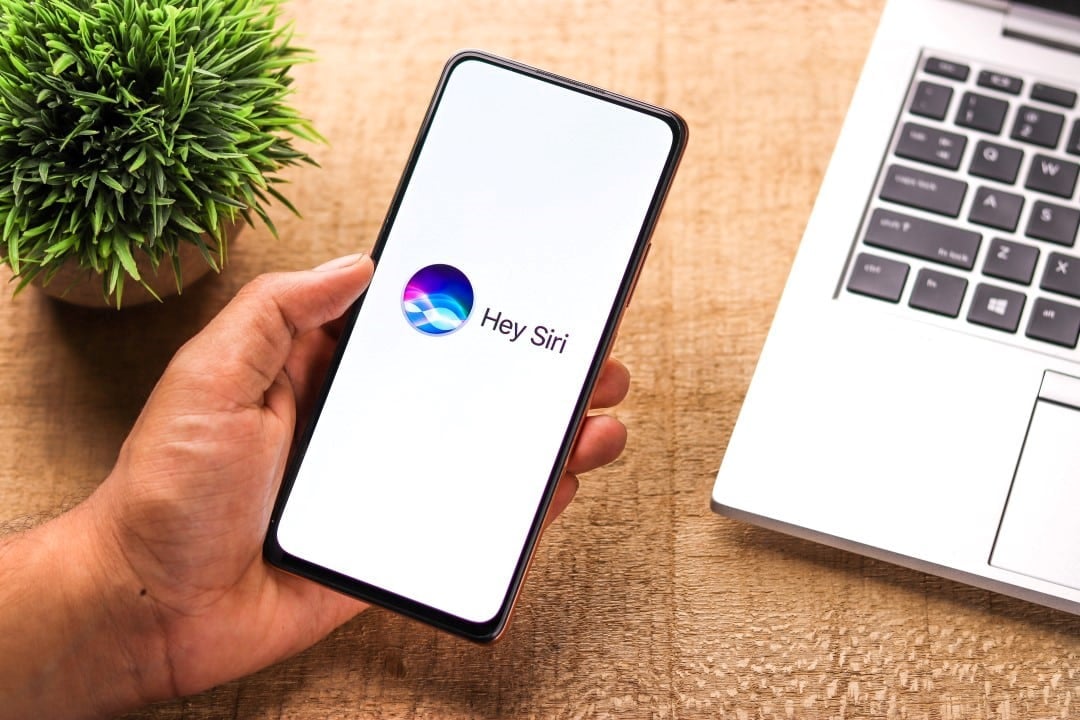
The technology giant has started the testing phase of a new functionality for its virtual assistant, allowing the execution of multiple commands from a single voice instruction. The tool changes the way users interact with the brand’s devices, eliminating the need to pause between different requests. The resource processes complex sentences and identifies different actions within the same request, executing them sequentially and automatically.
This update is part of a larger operating system modernization package focused on generative artificial intelligence and natural language processing. The software architecture underwent restructuring to understand the context of conversations, allowing the assistant to keep previous requests in memory and apply this information in subsequent interactions. The change represents the transition from a rigid command model to a more fluid conversational interface.
The company’s developers work on calibrating the algorithms to ensure that simultaneous interpretation does not result in execution conflicts. The ability to chain tasks requires superior processing power, which directs the availability of this function to the manufacturer’s latest hardware.
Implementation occurs gradually in test versions of operating systems for mobile devices and computers. The main objective is to refine semantic understanding before the official release to the general public.
New visual interface transforms interaction with the system
The redesign of the virtual assistant includes a significant visual change to the devices’ graphical interface. The old spherical icon that appeared at the bottom of the screen when activating the tool has been replaced by a luminous border that surrounds the entire display. Essa visual signaling indicates that the system is listening and processing information, integrating in a more organic way with the use of the device without interrupting the view of the application that is currently open.
More on this story: Siri with more AI and improved camera in Apple’s iOS 27 are revealed in leak
In addition to the aesthetic change, the new interface allows text interaction in a natural way, with just two touches on the bottom of the screen to open a dedicated keyboard. The user can switch between voice commands and typing seamlessly, depending on the environment they are in. The light edge dynamically reacts to tone of voice and processing complexity, providing immediate visual feedback on the status of the ongoing request.
Execution of chain tasks in users’ routine
Chained execution of commands allows a single sentence to trigger different applications and system functions. The user can ask the assistant to take a photograph and, in the same sentence, order the image to be sent to a specific contact in a messaging application.
Processing breaks the sentence into separate intents: triggers the camera, captures the media, opens the messenger, locates the contact and confirms sending. Todo This flow happens in the background, requiring minimal manual intervention.
Another practical example involves managing personal information, such as asking to find a specific address mentioned in an email and adding it directly to an event on the calendar. The assistant transfers data between the email application and the calendar autonomously.
Hardware requirements for advanced processing
Running advanced language models directly on the device requires specific hardware components, which restricts the novelty to the brand’s most recent processors. The chips need to contain neural processing units capable of performing trillions of operations per second, ensuring that the interpretation of multiple commands occurs without noticeable latency.
The RAM memory requirement also acts as a determining factor for the tool’s functioning, as artificial intelligence models need to be loaded into temporary memory for instant access. Aparelhos of previous generations will not receive full chain command functionality due to these physical architectural limitations.
Local processing is essential to maintain the expected response speed in voice interactions. Quando the user dictates a sequence of actions, the system needs to decode the audio, convert it to text, identify intentions and activate the corresponding programming interfaces in fractions of a second.
Learn more: IOS 27 gains visual redesign and Siri with advanced conversational intelligence
The dependence on high-end hardware reflects the computational complexity of dealing with unstructured natural language. The company has optimized its processors to specifically handle these artificial intelligence workloads in a power-efficient manner.
On-premises data security and privacy architecture
The system architecture prioritizes local processing of information, ensuring that voice data and personal information accessed during multiple commands do not leave the device. Semantic indexing and task execution occur in isolation on the main chip. Essa technical approach prevents sensitive information, such as the content of messages or calendar appointments, from being exposed on external servers during the interpretation of orders.
For requests that require greater computing power, the company has developed a dedicated cloud computing infrastructure. The data sent to these servers is processed without permanent storage and with end-to-end encryption, blocking access by third parties or the manufacturer itself. The transition between local processing and the cloud occurs invisibly for the user, maintaining security protocols regardless of the complexity of the requested command.
Algorithm calibration and accuracy testing
Software engineers perform an exhaustive battery of internal tests to evaluate the assistant’s success rate when dealing with ambiguous instructions or double commands formulated with complex syntax. The validation process involves simulating thousands of daily scenarios where artificial intelligence needs to decide the correct order to execute tasks and identify possible logical errors before completing the action. The development team monitors performance metrics, such as the response time between the end of the user’s speech and the beginning of the first action, as well as the fluidity in the transition between activated applications. The central objective of this testing phase is to eliminate instances in which the system executes only the first half of the command and ignores the second, a common problem in previous versions of natural language processing. The calibration of intent algorithms is adjusted daily based on crash reports generated by test devices, ensuring that the final version delivers a consistent experience free from operational interruptions.
Tools for independent developers
The expansion of multiple commands depends on the adoption of new application programming interfaces by independent developers. The manufacturer released specific tools that allow software creators to map the functions of their applications, making them accessible to the assistant and capable of being combined with actions from other programs installed on the device.
Semantic understanding and real-time correction
The technological foundation of the new assistant rests on a completely rewritten natural language processing engine. Este system no longer relies on pre-programmed phrases or word-specific triggers to initiate an action. Semantic understanding allows the user to speak colloquially, stutter, correct themselves mid-sentence or change their mind, and the system can still extract the final intention and execute the multiple requested commands correctly.
On the same topic: Siri gains the ability to execute multiple commands simultaneously in the new iOS 27
Essa Cognitive flexibility represents a significant technical leap in human-computer interaction. Anteriormente, an error in the command formulation required the user to cancel the operation and start again from scratch. Agora, artificial intelligence analyzes the context of the entire sentence before starting the chain of actions, identifying which part of the instruction cancels the previous one. This ability to adapt in real time brings interaction with the machine closer to a natural human conversation, reducing the need for robotic commands and increasing efficiency in the use of operating system tools.
Technological dispute in the virtual assistant sector
The development of these new capabilities responds directly to advances presented by competing companies in the technology sector. The virtual assistant market has undergone rapid evolution with the introduction of large-scale language models, making old interactions obsolete and forcing a structural update on mobile systems.
The manufacturer seeks to regain space in the voice automation segment by offering deep integration that third-party applications cannot achieve due to operating system restrictions. Competitive advantage is based on full control over hardware and software, enabling optimization that results in faster, more accurate responses during everyday use.