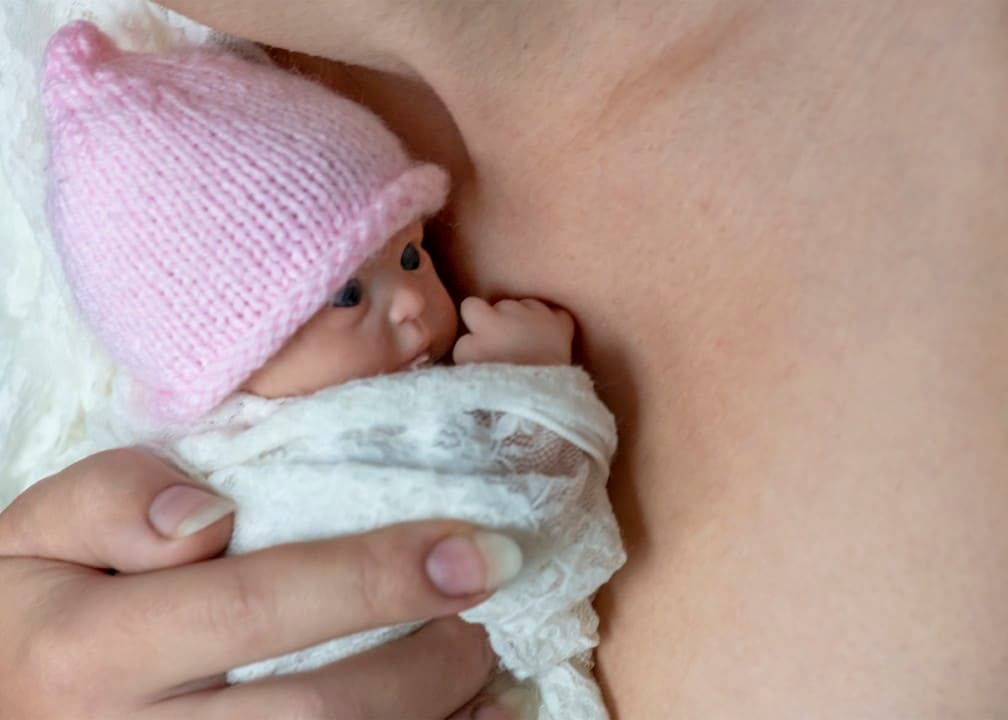
The interest in children’s figures molded with extreme anatomical precision has registered a commercial increase in several regions of the country. The production of these pieces requires advanced painting and modeling techniques, attracting a diverse audience that ranges from art enthusiasts to educational and health institutions. The sector has established its own production chain, which supports both the main artists and a network of suppliers of inputs and accessories.
Specialized professionals dedicate weeks of painstaking work to ensure that every physical detail strictly corresponds to human reality. The production method includes inserting natural hair strand by strand and creating complex textures that simulate skin, visible veins, birthmarks and joints with weight proportional to that of a newborn. Technical precision is the determining factor for product acceptance in the high-end market.

The distribution of these products occurs mainly through digital channels, sector fairs and physical ateliers, forming a highly profitable and constantly expanding market niche. The sales catalog ranges from first-time buyers looking for entry-level pieces to customers willing to invest significant amounts in exclusive, internationally certified works.
Variation in raw materials determines the final cost of the works
The structural composition of the figures directly dictates the market value, flexibility and durability of the product delivered to the end consumer. Modelos, made with traditional vinyl, have starting prices in the range of R$200, delivering a basic but satisfactory tactile experience for those starting out in the collecting segment. As production incorporates superior materials, such as premium vinyl and thermal drying paints, commercial values jump to the range of R$800 to R$1,500, providing greater articulation of the limbs and a visual finish that is significantly more refined and resistant to daily handling.
At the top of the commercial segment, the pieces sculpted entirely from high-density solid silicone represent the maximum standard of excellence and realism available today. Estas versions, often signed by internationally recognized artists and produced in very limited runs, reach the R$30,000 mark in specialized transactions. The amount reflects the use of high-cost imported inputs, such as glass eyes manufactured by hand at Europa, selected natural hair implants and non-toxic paints that undergo fixing processes in industrial ovens to guarantee the absolute longevity of the pigmentation against natural wear and tear.
Tailor-made orders guarantee exclusivity for buyers
The customization of physical characteristics emerges as the most profitable aspect for artisans working in this specific market niche. Compradores frequently request the reproduction of relatives’ facial features, demanding precision in eye color, face shape and hair texture.
Meeting these demands requires professionals to modify basic industrial molds to achieve the exact similarity desired by the contracting client. Projetos developed under these strict conditions have an initial cost of R$1,500, with progressive increases based on the technical complexity of the execution.
Limited editions, accompanied by documentation of authenticity and stamps of origin, generate strong competition among collectors with high purchasing power. The restricted numbering ensures the rarity of the piece and creates the potential for real financial appreciation in the secondary resale market.
The execution time for a personalized project varies from a few weeks to months, depending on the studio’s waiting list and the availability of imported materials. The constant exchange of technical information between the producer and the client guarantees the fidelity of the final result to the approved project.
Network of local suppliers profits from selling complementary items
The trade in figures drives a parallel economic chain, generating continuous demand for textile products and accessories adapted to the specific measurements of the models. Costureiras, pattern makers and small entrepreneurs find a stable source of income in the production of custom-made clothes, miniature shoes and handmade embroidered blankets.
Complete kits containing pacifiers with an internal magnetic system, decorative diapers and modified transport strollers register prices between R$200 and R$1,500 in specialized retailers. The uninterrupted flow of sales of these materials strengthens the economy of self-employed professionals in multiple states, decentralizing the sector’s profits.
In-person meetings bring together experts and the consumer public
Events based in capital cities such as São Paulo, Rio, Janeiro and Belo Horizonte operate as the main negotiation, exhibition and networking centers for the sector. The fairs offer complete infrastructure for demonstrating new painting techniques, launching molds and directly selling imported inputs to local artists.
The organization of these meetings promotes practical activities and workshops that allow visitors to evaluate the structural quality of the pieces before making a purchase. Physical contact with the materials and checking the weight of the figures act as decisive factors for converting high-value-added sales during the exhibition days.
Social networks act as a showcase for independent ateliers
The digital environment acts as the main vector of commercial expansion for artists dedicated to creating ultra-realistic figures. Perfis focused on demonstrating anatomical details and the production routine, they accumulate millions of daily views, constantly attracting new consumer profiles to the market.
Videos showing the flexibility of silicone, the texture of the paint and the packaging process serve as primary and free advertising material for the ateliers. The high definition of images replaces the need for in-person inspection, providing security for customers who live far from large production centers.
Messaging applications facilitate direct communication, sending quotes and negotiating new or second-hand works between collectors. The online infrastructure eliminates geographic barriers, allowing producers from inland cities to reach buyers across the national territory and export to the international market.
Medical teaching institutions adopt technology for clinical simulation
The application of ultra-realistic figures transcends the collectors’ market and establishes a vital technical role in public and private health and professional education departments. Universidades medicine and technical nursing courses located in the main academic centers acquire specific solid silicone models, which are equipped with internal sensors capable of simulating basic physiological responses, to compose their clinical practice laboratories. Estes high-precision instruments allow undergraduate and specialization students to perform highly complex procedures, such as neonatal intubation techniques, monitoring of vital signs, cardiopulmonary resuscitation maneuvers and handling of premature newborns, in a fully controlled academic environment and without risk to real patients. The demand for this type of educational equipment maintains a continuous growth trajectory, also driven by large hospital complexes that use the pieces in the periodic training of intensive care unit teams. Simultaneamente to rigorous clinical use, reception centers for the elderly population record the expansion of the therapeutic use of models, where visual and tactile interaction with the figures helps to stimulate cognitive functions and emotional stabilization of residents, proving the multifaceted usefulness and social impact of the product.
Sanitation protocols prevent material degradation
Preservation of pieces requires the adoption of specific cleaning methods and temperature control to protect pigmentation and structural integrity over the years. Vinyl Modelos require strict cleaning with slightly damp fabrics and neutral soap, while silicone versions require highly soft sponges, application of specific talcs and mandatory storage in places isolated from direct sunlight to avoid drying out and permanent damage to the investment.