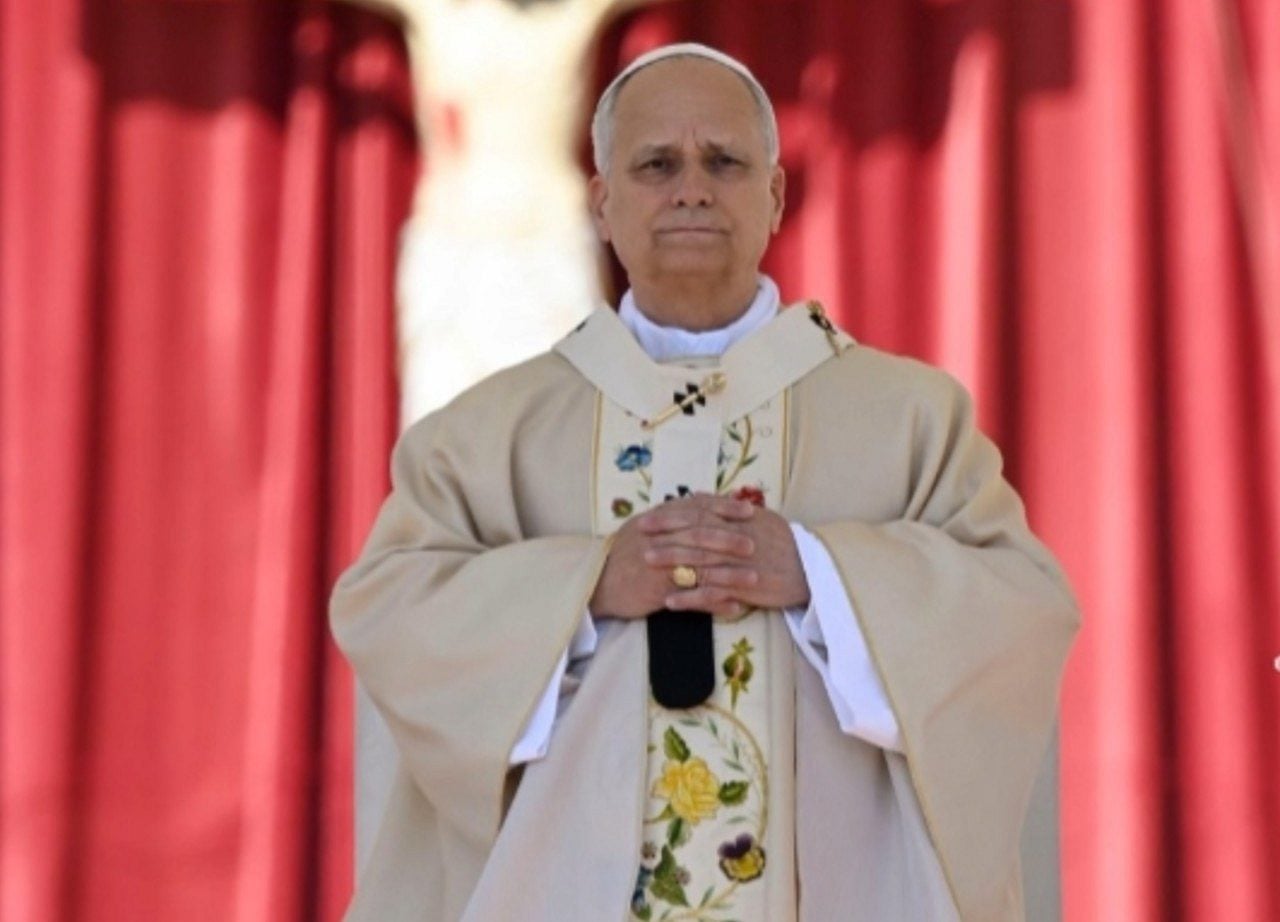
Papa Leão people in vulnerable situations through mechanisms that promote a fairer distribution of resources. Ele also warned of the contrast between the abundance of wealth in the world and the continuous growth in the number of people in poverty.
Santo Padre noted that millions of individuals in different regions of the planet face daily basic deprivations. Essas deprivations include lack of adequate access to food, decent housing, medical care, education, electricity, clean water and sanitation services. Ele emphasized that, despite this reality, significant portions of wealth remain disproportionately concentrated in a small number of people.
Concentration of wealth raises questions about social justice
Papa Leão XIV classified this situation as unfair and defended the need to question the structures that support it. Ele stated that there is no inevitable determinism that condemns the world to persistent inequality. The root of the problem, according to the pontiff, lies in the way available resources are distributed, which requires approaches based on moral sense and honesty to promote effective corrections.
He recalled that Igreja Católica always placed the concrete needs of people at the center of its social doctrine. Essa attention covers both the world of work and initiatives to assist those most in need. The pontiff cited the encyclical Rerum novarum, from Leão XIII, as a historical reference for the importance of social security and social protection for workers.
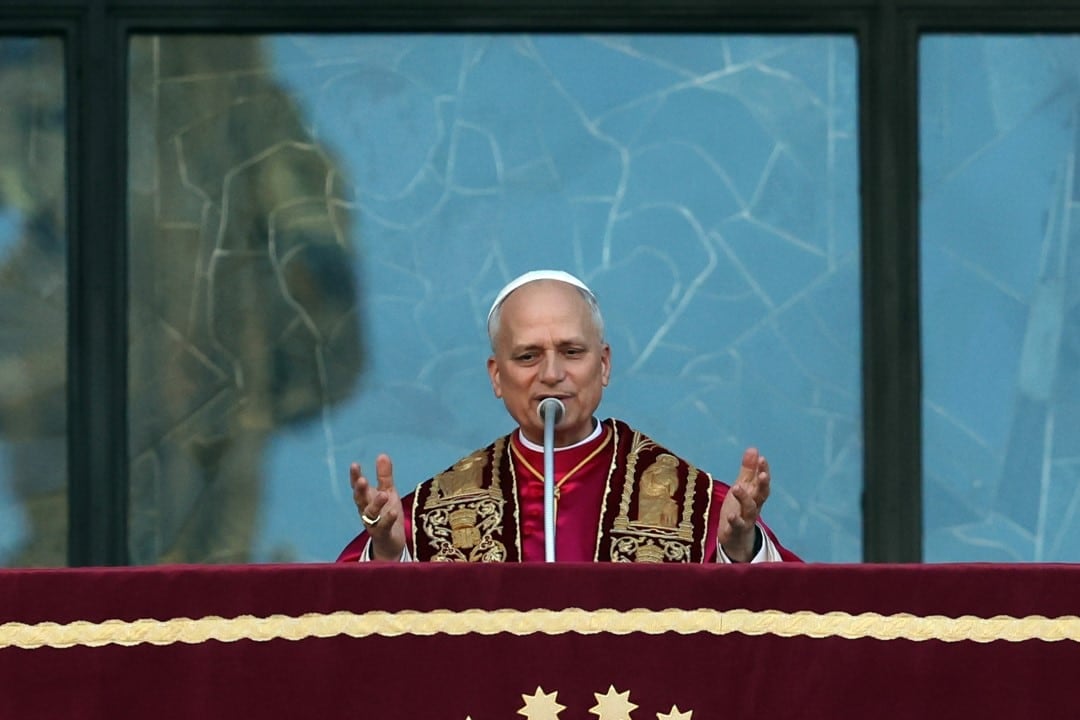
Social doctrine of Igreja reinforces rights to well-being
Several subsequent encyclicals reinforced this view over the decades. Entre they are Mater et Magistra and Pacem in Terris, of João XXIII, which elevated the right to social well-being to the category of fundamental human right. The text includes specific protections in cases of illness, disability, widowhood, old age, unemployment or loss of livelihood for reasons beyond the individual’s control.
Leo XIV also mentioned contributions from Paulo VI, João Paulo II and Bento XVI in this doctrinal field. Ele particularly highlighted the encyclical Fratelli tutti, of Francisco, which presents Estado social welfare as a universal right. The proposed model is based on principles of subsidiarity, shared responsibility and human fraternity, with a focus on ensuring dignified living conditions through work and solidarity.
INPS works to protect the vulnerable and invest in young people
The pontiff recognized the work carried out by Instituto Nacional of Previdência Social on Itália. The body implements social security policies that generate well-being and effective social development. Essas actions prioritize the protection of the most vulnerable people and investment aimed at young people, even in the face of the system’s sustainability challenges.
He stressed that the institute’s commitment must maintain a balance between financial viability and preservation of the solidarity fabric. Essa guidance seeks to promote equity in social security interventions. Papa Leão XIV also cited words spoken by Francisco more than ten years ago to the same audience, reinforcing the importance of prioritizing human beings in all administrative actions.
The speech concluded with an emphasis on the need to love and serve people with conscience and responsibility. The focus is on supporting those who work, those who want to work but face barriers, and especially the most fragile. The central objective is to ensure that no one is deprived of the dignity and freedom necessary for an authentically human life.
Role of solidarity in today’s society
Compêndio da Doutrina Social da Igreja indicates that the principle of solidarity requires greater awareness of the debt that each person owes to the society in which they live. Essa debt manifests itself through concrete actions that benefit the collective. The pontiff connected this guidance directly to the work carried out by INPS on several fronts.
He reinforced that social security policies must continue to be aimed at generating inclusive development. Protecting the vulnerable and encouraging the potential of young people represent essential paths in this direction. Papa Leão