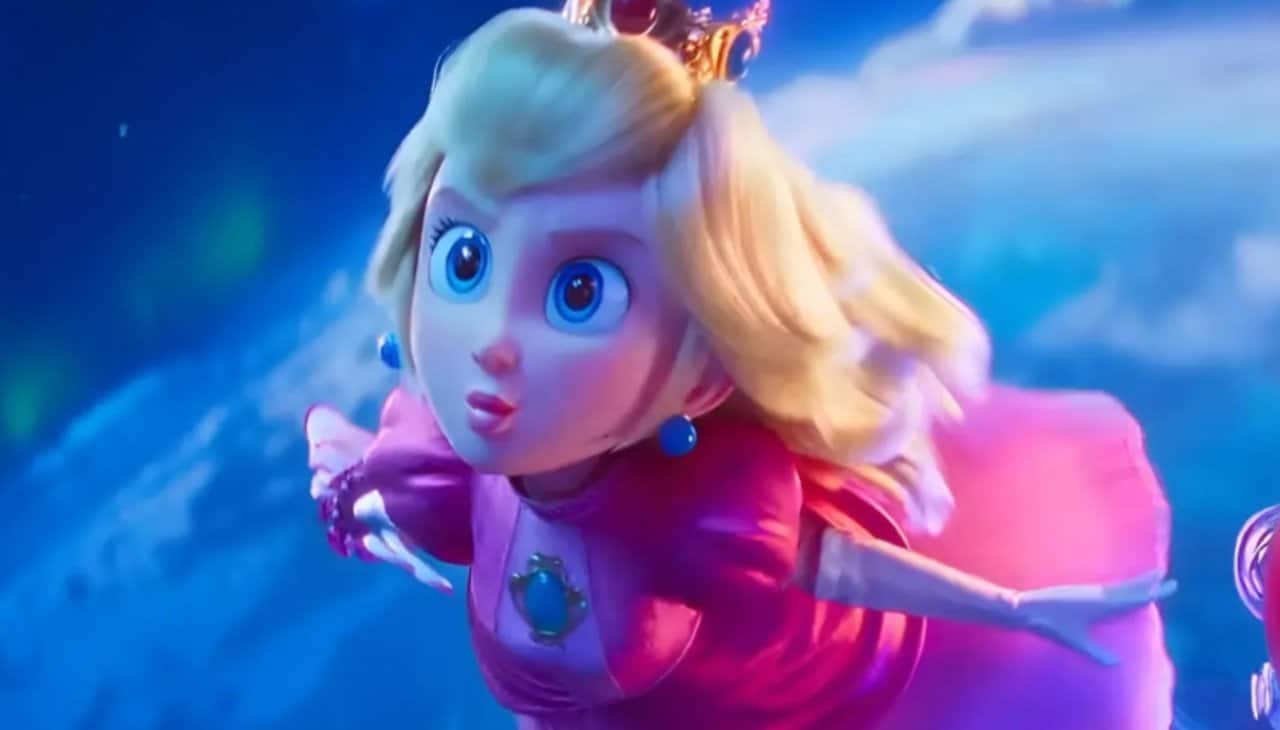
Film evaluation platforms record a curious phenomenon in relation to the new release of the Super Mario franchise in cinemas worldwide. Enquanto viewers show enthusiasm for the production, specialized critics show considerable resistance, giving low marks to Nintendo’s audiovisual project. The gap between the two groups reflects different views on what defines a good video game adaptation for the screen.
Data collected on Metacritic shows a rating of 7.8 among users, while Rotten Tomatoes has 90% public approval, numbers that contrast with the rigor of film analysts. Essa dinamica repeats the behavior observed in the previous film, suggesting a consolidated trend for the brand in the entertainment sector. The main points of divergence revolve around narrative depth and fidelity to the mechanical essence of the original games.
- 90% approval from casual viewers.
- Average score of 7.8 on data aggregation platforms.
- Criticisms about the absence of social themes or dense scripts.
- Excessive focus on the visual part to the detriment of depth.
Divergence between specialized media and spectators
Analyzes published by major cinema portals indicate that the new film from Super Mario has an eye-catching appearance, but lacks narrative substance in its execution. Critics argue that the script is weak and does not present a clear central theme to sustain the length of the feature film. Para the media, the lack of character development compromises the traditional cinematic experience.
On the other hand, the loyal audience of Nintendo argues that simplicity is precisely what makes the work authentic in relation to games. Enthusiasts argue that expecting a complex plot from a franchise focused on action would be ignoring the very identity of the source material. Essa polarization raises debates about the criteria used to judge films based on intellectual properties from the gaming world.
Narrative structure inspired by action games
Most of the titles in the Super Mario series focus on game mechanics and level design, leaving the story on a secondary plane. Tradicionalmente, the plots are summarized as the kidnapping of a princess or a threat caused by the villain Bowser, serving only as a pretext for the action. The film transports this philosophy to cinema, prioritizing movement and visuals over long expository dialogues or moral dilemmas.
The producers seem to have chosen to maintain the focus on what fans recognize as Nintendo’s trademark: pure entertainment. Diferente Unlike other adaptations that try to excessively humanize the characters or create dark contexts, this project seeks to emulate the feeling of playing a game. Essa artistic choice explains why art critics, who look for social and emotional layers, give lower marks to the production.
Visual fidelity and theme park elements
Film production resembles an amusement park attraction, focusing on sensory experience and nostalgia. Personagens family members like Luigi and Mario share screen time with lesser-known figures, creating an environment rich in references for veterans. The soundtrack uses arrangements that directly refer to the classic compositions that have marked generations of players since the eighties.
The situations presented on the screen emulate game mechanics, providing an immersion that pleases anyone who has spent hours controlling the protagonists on consoles. Esse visual narrative model replaces the need for a complex script for the target audience, who prefers to identify the secrets hidden in the animation. The strategy ensures that the film functions as an effective marketing and family entertainment product.
Valuing design over textual depth
The games developed by Nintendo are recognized worldwide for their interaction design and fluid gameplay. In cinema, this characteristic translates into dynamic action scenes and vibrant colors that capture the viewer’s visual attention. Specialist critics, however, tend to value works that address contemporary issues or that innovate in the script structure, which generates conflict of perception.
For analysts, a successful adaptation should expand the game’s universe and not just replicate its superficial aesthetics. Entretanto, Nintendo seems to prioritize preserving the image of its characters as icons of accessible entertainment for all ages. The result is a product that fulfills its commercial function and pleases the fan base, even without the seal of approval from film scholars.
Historical perspective of franchise adaptations
The success of the previous film had already indicated that the path of simplicity was the most profitable for the Japanese company. Naquela occasion, “The Super Mario Bros. Movie” also faced lukewarm reviews, but broke box office records on several continents. The continuity of this approach in the sequence demonstrates the brand’s confidence in its own creative vision, regardless of press reception.
The film industry has seen a change in the way games are adapted, with some series seeking more realistic tones. Mario, however, remains a bastion of cartoon style and linear narrative, defying modern script conventions. The stability of audience ratings suggests that the formula remains effective for the global entertainment market.
User experience and motivation for consumption
The surprising reason for the low ratings lies in the fact that the film does not try to be auteur cinema, but rather an extension of the game. Quem Consumes the brand’s products and seeks the feeling of progression and visual joy that the plumber’s titles provide. Quando Critics evaluate the film based on criteria of drama or density, ending up ignoring the original purpose of the work.
Digital platforms continue to receive thousands of positive reviews from parents and children who feel represented on the screen. The cultural impact of Super Mario transcends technical analysis, establishing itself as a media phenomenon that dictates its own rules of success. Enquanto Critics debate the lack of theme, movie theaters continue to record high demand from consumers.
