

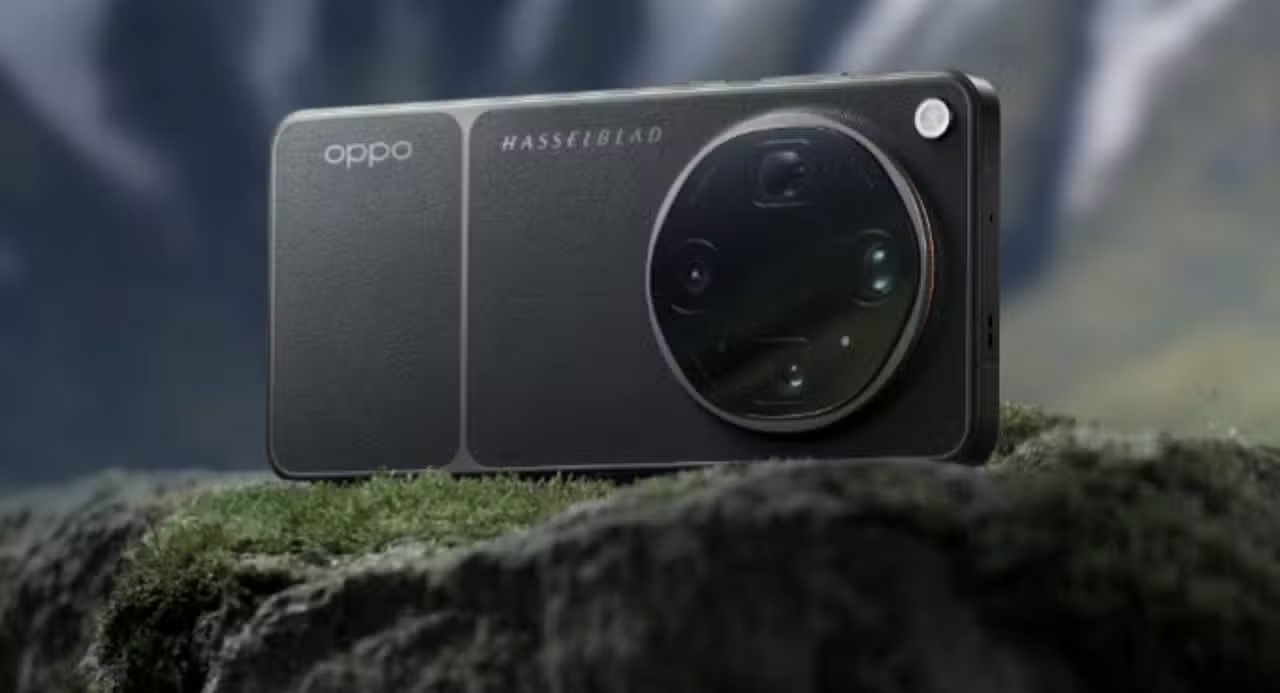
The Asian manufacturer confirmed the visual details of its latest device focused on high image performance. The top-of-the-line model hits the global market on April 21, 2026 with a drastic change in its visual identity. The structure abandons the standards of previous generations to adopt features that directly refer to professional photographic equipment.
The initial highlight is the renewed partnership with the Swedish brand specializing in lenses, which designs the device’s optical set. The inclusion of a dedicated physical button for captures reinforces the product’s targeting towards photography enthusiasts. The strategic move aims to position the device as a direct competitor to the main advanced lines currently available in the mobile technology sector.
https://twitter.com/oppo/status/2043547438326386891?ref_src=twsrc%5Etfw
Aesthetics inspired by traditional photographic equipment
The back of the device features a textured coating in a brown color variant, delivering a tactile sensation superior to conventional glass. The center of the structure houses a circular island of generous proportions, designed to accommodate the multiple image sensors. A metallic ring surrounds this main module, creating a direct contrast with the soft material of the cell phone’s body. Detalhes in an orange tone were strategically distributed throughout the housing, breaking the sobriety of the industrial design. The manufacturer’s logo shares space with the optical partner’s signature, both positioned symmetrically on the back. Essa Aesthetic choice moves the model away from the look adopted in the previous line and establishes a new visual language for the category. The finish seeks to attract consumers who value the appearance of classic analog cameras. The integration of these elements results in a product that immediately catches the eye when taken out of the box. The projection of the lens module is evident, an inevitable feature in devices that house inch sensors and complex periscopic zoom systems.
Ergonomics and robust construction for everyday use
The weight of the device reflects the number of advanced internal components and the high-capacity battery. The side edges adopt a flat shape, but have subtle chamfers that avoid discomfort during prolonged periods of handling. The overall thickness conveys a feeling of durability and resistance against accidental impacts.
A practical detail of the centralized design is the stability of the phone when placed on tables or counters. Diferente of models with cameras located at the ends, the device does not exhibit excessive rocking when the screen is touched in this position. The textured material on the back also fulfills a functional role by increasing grip in the user’s hands. Versions sold in other shades do not require a special coating, using more traditional finishes from the telephone market. The overall construction demonstrates a level of polish expected for the segment’s highest price range.
Market strategy and competition in the high-end segment
The decision to launch simultaneously on Ásia and the rest of the world marks a significant change in the company’s commercial approach. Nos Previous years, the brand’s most advanced versions were restricted to the Asian market, frustrating Western consumers. Agora, the device arrives to compete for space on global shelves in the first half of 2026. The device will face strong rivals that are also betting heavily on extreme photographic capabilities. Competition includes the most expensive versions of South Korean lines and the main launches of Chinese giants in the sector. The new model’s difference lies precisely in the combination of strong specifications with an aesthetic that deviates from the standard of smooth glass and metal blocks. The presence of a physical trigger for the camera, for example, is a rare feature that serves a specific niche of content creators. The manufacturer is betting that the differentiated tactile experience will be a decisive purchasing factor. The success of this strategy will depend on public acceptance of the additional size and weight required by photographic hardware.
Main visual and structural characteristics of the device
Preliminary analysis of the housing reveals engineering choices focused on photographic usability. The smartphone’s external details form a set designed to facilitate quick image capture. The arrangement of the physical elements follows a compact camera logic.
- Textured back covering in specific brown tone.
- Large circular lens module located in the center.
- Side physical trigger with visual details in orange.
- Reinforced metal structure with flat and chamfered edges.
- Visual signatures of partner brands prominently displayed on the rear.
The presence of the side button changes the dynamics of using the phone in landscape mode. The user can lock the focus and take the photo without having to touch the glass screen, ensuring greater stability. The metal ring around the lens acts as a physical protection against scratches when the phone is placed on rough surfaces. The texture of the back prevents the accumulation of fingerprints, a common problem in devices with a mirror finish. Esses Structural factors indicate a mature project focused on daily practicality.
The evolution of materials in the construction of mobile devices
The mobile phone industry has spent years prioritizing glass and polished metal in its most expensive products. Essa The trend has resulted in devices that are slippery and extremely fragile when accidentally dropped. The adoption of alternative materials, such as textured synthetic coating, represents a direct response to consumer demands for greater durability. Using this type of finish also reduces the need for thick protective covers, allowing the product’s original design to be appreciated in daily use. The Asian manufacturer demonstrates its understanding of this change in market behavior by applying the texture to its main launch of the year.
In addition to aesthetic and protection issues, the choice of materials directly impacts the thermal control of the device. Processadores State-of-the-art technology and advanced image sensors generate a considerable amount of heat during high-resolution recordings or intense gaming sessions. The back coating works in conjunction with the internal cooling chambers to dissipate temperature efficiently, preventing the metal structure from overheating. Essa thermal engineering is essential to ensure that the device maintains maximum performance without causing discomfort to the user’s hands. The combination of metal on the edges for fast dissipation and texture on the back for tactile isolation shows a significant advancement in the brand’s industrial design. The end result is a device that perfectly balances visual form with the technical function required by cutting-edge hardware in 2026.
Expectations for the official launch and performance tests
The initial contact with the outside of the device generates positive expectations for the complete evaluation of the system. In-depth testing of processing, battery life and quality of captured images will take place after the final software is released. The operating system interface will need to demonstrate tight integration with the physical hardware resources presented. The market awaits the official release of the price list and exact memory and storage configurations. The arrival of the device promises to move the premium mobile phone sector over the next few months.