NASA included a variety of photographic equipment on spacecraft Orion of mission Artemis 2. The first manned lunar mission in more than 50 years features 32 cameras and image capture devices in total. Quinze of them are fixed to the ship’s structure and 17 are in the hands of the crew.
This equipment generated impressive photos of Terra, Lua and the interior of the capsule during the flight. Most of the models chosen by the space agency have versions available to the general public. Alguns date back years, but were selected for proven reliability in the radiation environment and extreme conditions of deep space.
Main equipment on board Orion
The crew had access to professional Nikon cameras to record high-resolution images. Dois Nikon D5 bodies, launched in 2016, served as the main option for photos through the windows of Orion. The DSLR model has already been used for years by NASA on missions to Estação Espacial Internacional for its resistance to radiation.
The agency also took a mirrorless Nikon Z9 for feasibility testing on future missions. Essa top-of-the-line camera from Nikon complemented the set with more advanced features, such as high-resolution video recording. Lentes as the 80-400mm were paired with the D5 to capture details of the lunar surface and expansive views.
In addition to Nikon, the mission included GoPro action cameras. Quatro modified units were installed on Orion’s solar wings to provide external views and aid in inspection of the ship. Other GoPros were available for the crew to record day-to-day life inside the capsule.
Smartphones were also part of the kit. The crew used iPhone 17 Pro Max for quick snaps and selfies in the cramped environment of the Orion. Esses devices allowed for candid photos that larger cameras would have difficulty capturing in zero gravity.
- Two Nikon D5 bodies with associated lenses
- A Nikon Z9 for deep space evaluation
- Four modified GoPros mounted externally
- Additional GoPro units for indoor use
- iPhone 17 Pro Max for crew personal record
Why NASA opted for already known models
The choice prioritized equipment with a history of performance in space. The Nikon D5, for example, has proven performance against the effects of cosmic radiation, which reduces the risk of failure during the mission. Modelos newer models do not always have sufficient data on prolonged exposure in an environment beyond Terra low orbit.
The Z9 entered the manifest near the end to begin testing that could influence camera design for Artemis 3 and subsequent missions to the lunar surface. The modified GoPros fulfill a double function: capturing external images in real time and helping to monitor the integrity of the spacecraft.
iPhones offer practicality for quick moments. Sem internet connection, they function as autonomous capture tools inside the cabin. Essa mix balances professional quality with operational flexibility on a flight that lasts about ten days.
Images generated during the lunar flyby
The cameras recorded unprecedented views of Lua as it approaches and Earthset as Terra disappears behind the lunar horizon. Fotos of the lunar surface highlighted craters and details that humans have not seen directly since era Apollo.
Internal footage showed the crew’s routine in zero gravity, including selfies and interactions inside Orion. External GoPros provided dynamic angles of the ship against the backdrop of space, with Lua and Terra in the background.
These captures serve both scientific documentation and public communication. Elas allow the public to follow visual aspects of the mission that complement the engineering and navigation data.
Availability of equipment to the public
Most of the photographic equipment used in Artemis 2 has commercial equivalents available on the market. Modelos like Nikon D5, even discontinued, are still circulating in used stores or remaining stock. The Z9 remains in production as a high-performance professional camera.
GoPro Hero cameras, including versions similar to those modified by NASA, are sold in specialty stores and retail websites. Elas They range from action recordings to more casual uses. iPhones are widely available in electronics stores.
Lenses compatible with Nikon, such as telephoto zooms, can also be found new or used. Quem seeks to replicate the astronauts’ kit can assemble a similar setup with a focus on durability and image quality in challenging conditions.
What the choice reveals about operations in space
The selection of cameras in the Artemis 2 shows that NASA values tested reliability alongside controlled innovation. Equipamentos old ones like the D5 remain useful because their behavior in radiation is well known, while the Z9 paves the way for newer technologies.
This approach balances risk and performance in a mission that marks the return of humans to the lunar vicinity. The images produced not only document the flight, but also help set the stage for future exploration, including landings at Lua.
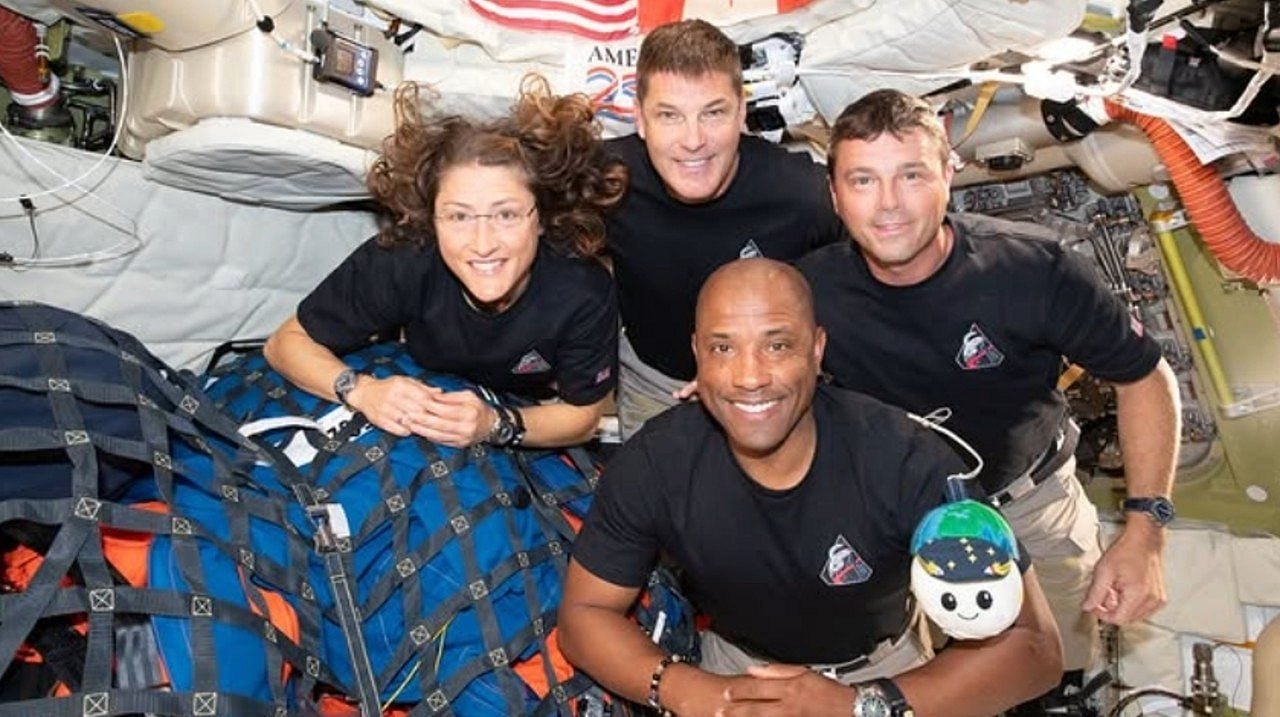
The crew of Artemis 2, made up of Reid Wiseman, Victor Glover, Christina Koch and Jeremy Hansen, used the set to capture both operational data and historical moments. The result is photos that connect the public to the advancement of space exploration.
