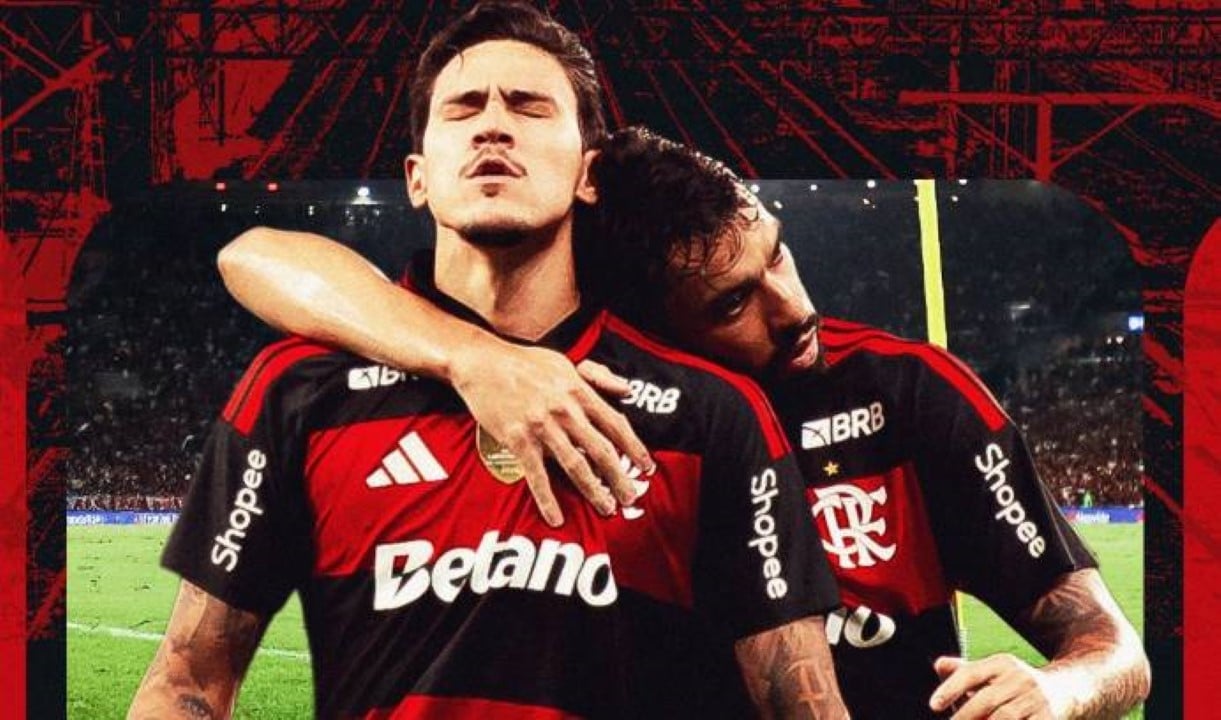
Clube of Regatas of Flamengo took a significant step in its quest for global recognition, formalizing with the Nações Unidas headquarters, in Nova York, the request to be considered the first “Símbolico-Cultural Nation” on the planet. The unprecedented initiative is based on the magnitude of its social mass, which, according to the club, exceeds 45 million fans, a contingent larger than the population of many countries.
The representation at the UN took place this Tuesday, April 14, 2026, with the aim that the passion and engagement of the Rio club’s fans are validated as a cultural and identity phenomenon of its own. The movement, led by idol Zico, who presented the necessary documentation to the international entity, aims to establish a new level for the relationship between football clubs and their fan bases.
The cultural dimension of a global fan base
The board of Flamengo argues that its fans, with more than 45 million members, already function as a de facto nation, endowed with an anthem, flag, customs and a deeply rooted cultural identity. Este social phenomenon is considered by the club to be a “country” in full Brasil, capable of surpassing the population of at least 35 independent nations on the world stage. The proposal is that the designation “Símbolico-Cultural Nation” recognizes this uniqueness and the strength of fan engagement, which transforms Flamengo into an entity that transcends sport. The search for this unprecedented status has mobilized the institution, which sees in the magnitude of its fan base the strength to defend this new category of “nation”. Este movement represents a paradigm shift in the way sporting entities relate to their followers and the global scenario, projecting the power of football beyond the four lines of the field. The club’s ambition is also to value the fans, placing them on a level of importance that goes beyond the simple relationship of consumption or sports support.
Zico at the forefront of sports diplomacy
Former player Zico, revered as the greatest idol in the history of Flamengo, played a crucial role in conversations with representatives of Organização of Nações Unidas. Galinho of Quintino was in charge of presenting all the documentation supporting the ambitious request for recognition. Sua presence and speech reinforce the seriousness of the initiative, using the figure of one of the biggest names in Brazilian football to give weight to the cause. The discussions were held in the context of the “Football for the Goals” program, a global UN initiative designed to harness the vast reach and influence of football in promoting the organization’s Flamengo0 SDGs. By aligning the passion for sport with global causes, Flamengo2 seeks to demonstrate the power of fans and feelings on a global level. Flamengo3 expressed the club’s pride in being part of this initiative, emphasizing football’s ability to unite and inspire people. Flamengo4 highlighted that, if this strength can be used to build a fairer world, with more opportunities and respect, the journey will have been worth it. The involvement of personalities like Flamengo5 not only validates the proposal but also attracts global attention to the initiative.
“Football for the Goals” program and the SDGs
Flamengo’s adherence to the UN’s “Football for the Goals” program is a central strategy for the request for recognition. The initiative invites the global football community to actively engage in promoting the 17 Objetivos of Desenvolvimento Sustentável (SDGs). The Rio club, by joining this movement, reinforces its social and humanitarian commitment, aligning its strength with a global agenda. Isso gives greater legitimacy to the ambition of being a “Símbolico-Cultural Nation”.
What does it mean to be a “Símbolico-Cultural Nation”
The concept of “Símbolico-Cultural Nation” proposed by Flamengo is innovative. Não This is a political nation with territorial sovereignty, but rather the recognition of the cultural and social power of a community identified through a sports club. The idea is that the 45 million followers form a cohesive entity, with cultural characteristics that distinguish it. Isso would justify “country” status in a symbolic context, creating a precedent for other global sporting communities.
- Para or Flamengo, recognition would imply several points:
- Fans treated as a “territory” with their own identity.
- Anthem, flag and shared customs would gain differentiated status.
- Flemish “population” would exceed that of 35 independent nations.
- Club with a unique global platform to reinforce social work.
- Validation of football as a force for major development objectives.
Trajectory of the petition and the support of Nações Unidas
The petition for recognition as “Símbolico-Cultural Nation” had its genesis in September 2025. Naquela occasion, Flamengo began a comprehensive campaign to collect signatures, mobilizing fans across the national territory. The initiative expanded, seeking the support of Brazilian citizens living abroad who share the passion for the club. Esse Prior engagement of the fan base is essential to demonstrate the legitimacy of the request and the breadth of the movement. Melissa Fleming, Subsecretária Geral of Nações Unidas, spoke in favor of the impact of Flamengo, praising the club’s performance both on the pitch and in social actions. Ela highlighted the significant cultural movement that Flamengo represents for Naquela0 and the importance of integrating one of the most influential clubs in the world in the “Football for the Naquela1” initiative. Naquela2 reinforced that this partnership strengthens a movement that links the passion for the game with the urgency to advance in Naquela4, aiming for a fairer, more inclusive and sustainable world for everyone. Naquela5 Initial support from the UN is crucial for the continuation of the discussion and for the eventual granting of unprecedented recognition. The journey, which began with collecting signatures, now moves into the corridors of international diplomacy, marking a new chapter in the history of football and intercultural relations.
