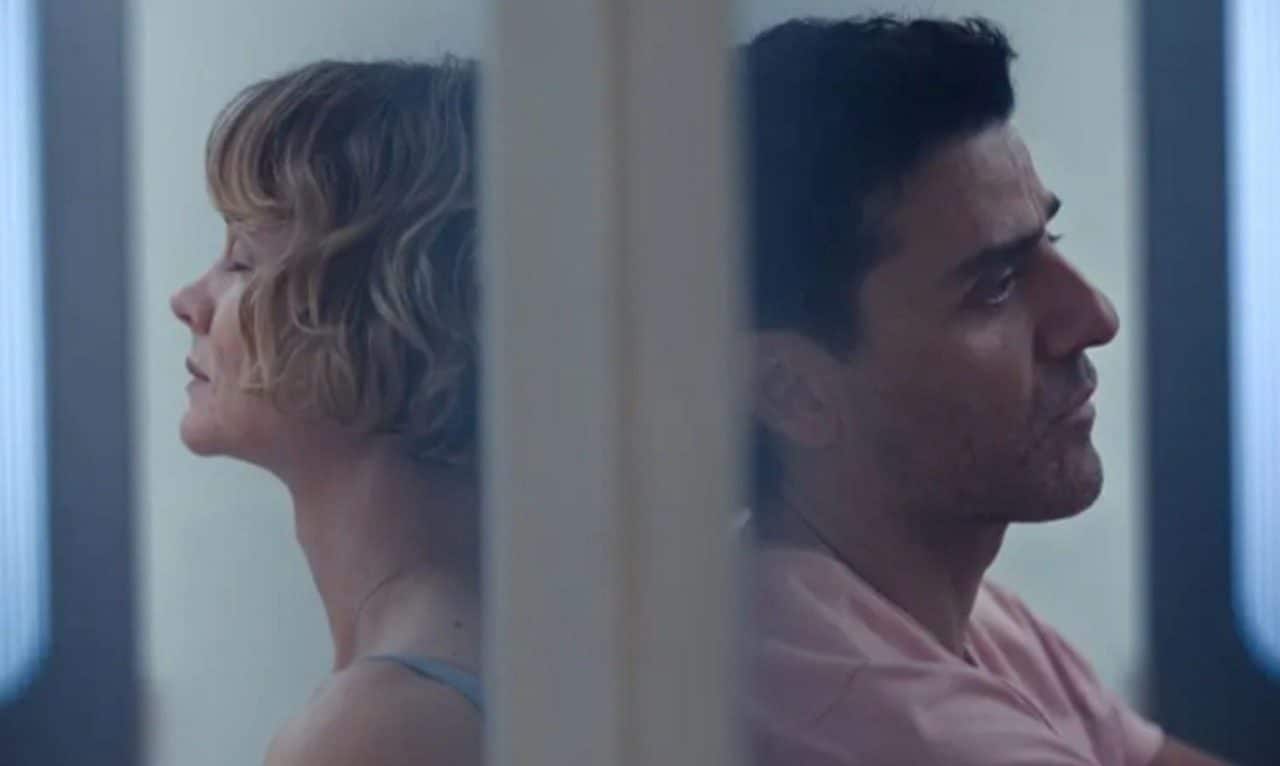
Netflix prepares the return of one of its most acclaimed series, “Treta”, with a significant change in its second season. The production, which returns to the catalog this Thursday (16), abandons the miniseries format to adopt an anthology approach. Essa Transformation aims to continue the critical success, but with a completely new plot and characters for viewers.
Originally released in April 2023, the first season of “Treta” was conceived as a closed story, focusing on the conflicts between Danny Cho (Steven Yeun) and Amy Lau (Ali Wong). With a well-defined plot from start to finish, the series achieved 98% critical approval at Rotten Tomatoes, a performance that boosted streaming’s decision to explore new possibilities for the franchise. The high critical and public reception became a decisive factor in the expansion of the series’ universe.
Format change and new plot
The decision to transform “Treta” into an anthology represents a strategic shift by Netflix to maintain the relevance of its successful content and explore the flexibility of narratives. Instead of continuing the story of the original protagonists, Danny Cho and Amy Lau, the new season will present a completely independent plot, set in a new setting and with different characters. Essa approach allows us to explore new themes and human dilemmas, maintaining the essence of “intense conflicts between ordinary people” that marked the first season, but without the need to extend arcs that have already reached their conclusion. The reinvention seeks to attract both old fans and a new audience, offering a fresh experience with each narrative cycle. The central idea of exploring the nuances of anger, everyday disputes and small irritations that escalate into big problems remains, now with new faces and situations.
This strategic move aligns “Treta” with other productions that have opted for thematic renewal, proving that a strong concept can transcend specific characters and maintain its narrative strength.
The success of the first season
Released in April 2023, the first season of “Treta” quickly established itself as a milestone in Netflix’s programming, generating widespread discussion and praise. The performance of Steven Yeun and Ali Wong, playing Danny Cho and Amy Lau respectively, was widely praised by critics and audiences for its intensity and complexity. The gripping plot, which begins with a traffic incident in Los Angeles, escalates into a saga of revenge, self-destruction and, paradoxically, an unexpected connection between the characters, revealing deep psychological and social complexities.
Recognition came in the form of awards and, most importantly, the impressive 98% approval rate on Rotten Tomatoes, one of the most respected review aggregators in the industry. Esse high rating consolidated “Treta” as one of the most highly rated streaming productions in recent years, standing out for the originality of the script, precise direction and memorable performances. The series was acclaimed for its ability to transform anger and resentment into an engaging and at times comical narrative that resonated with many viewers. The closed plot, which culminated in a bittersweet and reflective ending, seemed to seal the series’ fate as an unforgettable miniseries, but the impact of the success was too great for the platform to ignore.
Heavy cast for the new phase
The transition to the anthology format is marked by the introduction of a new and stellar cast, promising equally captivating performances and a new breath of fresh air for the narrative. The names confirmed to lead the second season bring great recognition and talent to the project.
- Oscar Isaac
- Carey Mulligan
- Cailee Spaeny
- Charles Melton
With these big names, the second season of “Treta” signals Netflix’s intention to maintain the high level of acting and dramatic appeal that were trademarks of the series. The choice of recognized and versatile actors reinforces the proposal that the series can reinvent itself with each cycle, maintaining public interest and the quality of production. The new characters and their respective conflicts will be the central focus, exploring different facets of complex human interaction and the escalation of disagreements. The expectation is that the chemistry between the new protagonists will generate a new wave of discussions and praise, just as happened with the original duo from the first season, solidifying the “Treta” brand as a seal of quality in conflict narratives.
Netflix Strategy and Industry Trends
Netflix’s bet on converting “Treta” into an anthology reflects a broader trend in the streaming industry: transforming one-off hits into lasting and versatile franchises. Este The movement aims to maximize the value of already established intellectual properties, balancing the risk of new productions with the familiarity that the public already has with the name of the series. By not repeating the same formula or forcing the continuation of closed stories, the platform demonstrates flexibility and a search for innovation within a proven model. Essa strategy allows the “Treta” brand to remain strong, without saturating the story of the original characters or compromising the quality of the initial work by artificially extending their arcs. It’s a smart way to maintain relevance in a highly competitive streaming market, where the longevity of a production is a differentiator. Além Furthermore, the anthology makes it easier to attract new talent each season, without the commitment of long contracts for a fixed cast.
Successful examples such as HBO’s “The White Lotus” and “Monster”, also from Netflix, demonstrate the viability and appeal of the anthology format in the current scenario. Essas series have managed to maintain their fan base and attract new viewers by introducing new stories and casts each season, under a unifying thematic concept. In the case of “The White Lotus”, the focus on social criticism in luxury environments, and in “Monster”, the exploration of real crimes and controversial figures, maintained the brand’s identity, despite the renewal of characters and plots. Para “Bullshit”, this structure makes even more sense by exploring the universal and multifaceted nature of interpersonal conflicts, allowing for an infinite range of scenarios and characters that can embody the central “bullshit”.
Netflix thus seeks to balance creative innovation with the sustainability of its most valuable brands, ensuring that audiences always have something new and intriguing to watch.
