

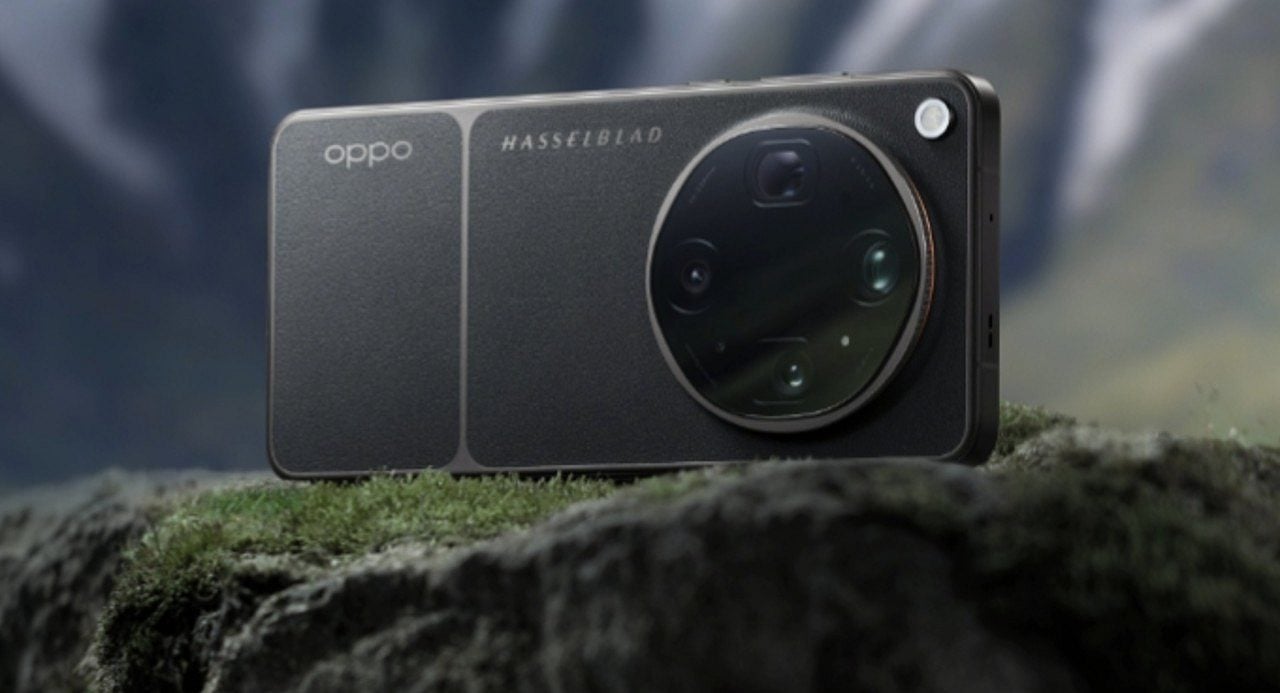
Chinese manufacturer OPPO revealed the first visual details of the Find X9 Ultra, highlighting an aggressive approach to the design of traditional cameras. The device features a prominent rear module and textured finish, distancing itself from the brand’s previous generations. The official launch of the device will take place on April 21, 2026, with simultaneous distribution on several continents.
The strategy marks a significant change in the company’s positioning in the international technology market. Diferente from past editions of the Ultra line, which were restricted to the Asian public, the new model will reach global shelves to compete directly in the premium segment. The central focus of the project lies in the integration of physical elements dedicated to capturing images. The movement tries to attract consumers looking for a tactile experience closer to professional equipment.
https://twitter.com/oppo/status/2043547438326386891?ref_src=twsrc%5Etfw
Aesthetics inspired by classic photographic equipment
The rear panel of the smartphone adopts a synthetic material coating that simulates leather, initially presented in the shade called Tundra Umber. Essa choice of texture offers a direct contrast with the metallic ring that surrounds the large centralized lens block. The visual identity gains strength with the application of details in orange tones, which appear both on the module’s outline and on the side buttons. One of the main physical highlights is the inclusion of a dedicated fire button on the right side of the chassis. Esse component allows quick activation of the camera and focus control, mimicking the operation of a conventional camera. The manufacturer’s logo shares space with the signature of Hasselblad, a Swedish company partner in the development of the optical system. The aesthetic set abandons discretion and embraces the protrusion of the lenses as a central design element. The circular shape of the camera island dominates the upper half of the device. The front of the device maintains a minimalist profile, with thin bezels around the high-resolution screen.
The decision to incorporate an exclusive physical button for photos reflects a recent trend among high-cost devices. The feature makes it easier to capture images horizontally and improves stability when recording videos. The component’s haptic response is designed to simulate traditional mechanical clicking.
Ergonomics and physical construction of the device
The structure of the device conveys a feeling of immediate robustness during handling, a common feature in devices that house high-capacity batteries and complex image sensors. The sides adopt a predominantly flat profile, but have subtle chamfers at the ends to soften contact with the palm of the hand. The total weight of the equipment is higher than the market average, although the mass distribution prevents fatigue during prolonged use. The textured back covering plays a functional role by increasing grip and reducing the risk of accidental drops. Variantes in other colors use different materials, changing the tactile perception of the product.
The centralized positioning of the camera block solves a frequent problem in modern smartphones. Quando supported on a flat surface, the device does not present instability or wobble when touched on the screen. The symmetrical relief ensures a firm base for typing on tables.
Global launch strategy and commercial expansion
The confirmation that the model will go beyond the borders of the Chinese market represents a milestone in the manufacturer’s recent trajectory. Nos In recent years, the most advanced versions of the Find X line have remained exclusive to Asian consumers, frustrating demand in other regions. The timeline set for 2026 changes this dynamic with a unified global launch. The expanded availability puts the device on a direct collision course with the year’s main launches in the telecommunications sector. The company prepared a distribution infrastructure capable of serving multiple countries simultaneously from the second half of April. The move requires considerable logistical effort and indicates confidence in the commercial appeal of the product. Presence in Western markets also requires software adaptations and specific telephone network certifications. Analistas from the sector point out that the expansion aims to capture a share of users dissatisfied with the lack of visual innovation in traditional brands. The focus on differentiated design serves as a calling card for this new phase of internationalization.
Positioning in the premium device market
The competitive scenario for smartphones focused on photography requires clear differences to justify the prices charged in the premium segment. OPPO’s new device faces strong competitors who also invest heavily in advanced sensors and partnerships with traditional photography brands. The choice of less conventional materials, such as a finish that imitates leather, attempts to create a visual identity that is impossible to confuse with its rivals. The current market demonstrates a saturation of designs based entirely on glass and polished metal. The introduction of distinct tactile elements acts as a selling point for the enthusiast public.
- Dual-stage physical button integration for focus control and photo shooting.
- Use of textured coating to improve ergonomics and thermal adherence.
- Optimized weight distribution to compensate for the size of the rear lens module.
- Symmetrical alignment of components for stabilization on flat surfaces.
- Expansion of commercial availability beyond Asian territory in 2026.
Direct comparison with devices such as the Galaxy S26 Ultra, the Xiaomi 17 Ultra and the Vivo X300 Ultra highlights different design paths. Enquanto Some competitors seek to integrate cameras more discreetly into the chassis, the Chinese manufacturer chose to highlight the optical hardware. The industrial aesthetic assumed by the device reinforces its main vocation.
The impact of partnerships on lens development
The ongoing collaboration with Hasselblad transcends simply applying a logo to the phone’s casing. The partnership involves fine-tuning color calibration, developing specific image profiles and digitally recreating optical characteristics of classic lenses. The smartphone’s external design acts as a physical extension of this software philosophy, preparing the user psychologically for a dedicated photography experience. The presence of the metal ring around the cameras directly refers to the manual focus rings found on professional lenses. The camera application interface also receives visual and sound modifications inspired by the Swedish brand’s equipment. The mobile technology market has seen an increase in these strategic collaborations as a way to validate the quality of tiny sensors used in cell phones. The union of robust hardware, evocative design and image processing signed by a historic brand creates a complete package for content creators. The complete technical evaluation of the sensors will take place after the product arrives in stores.