

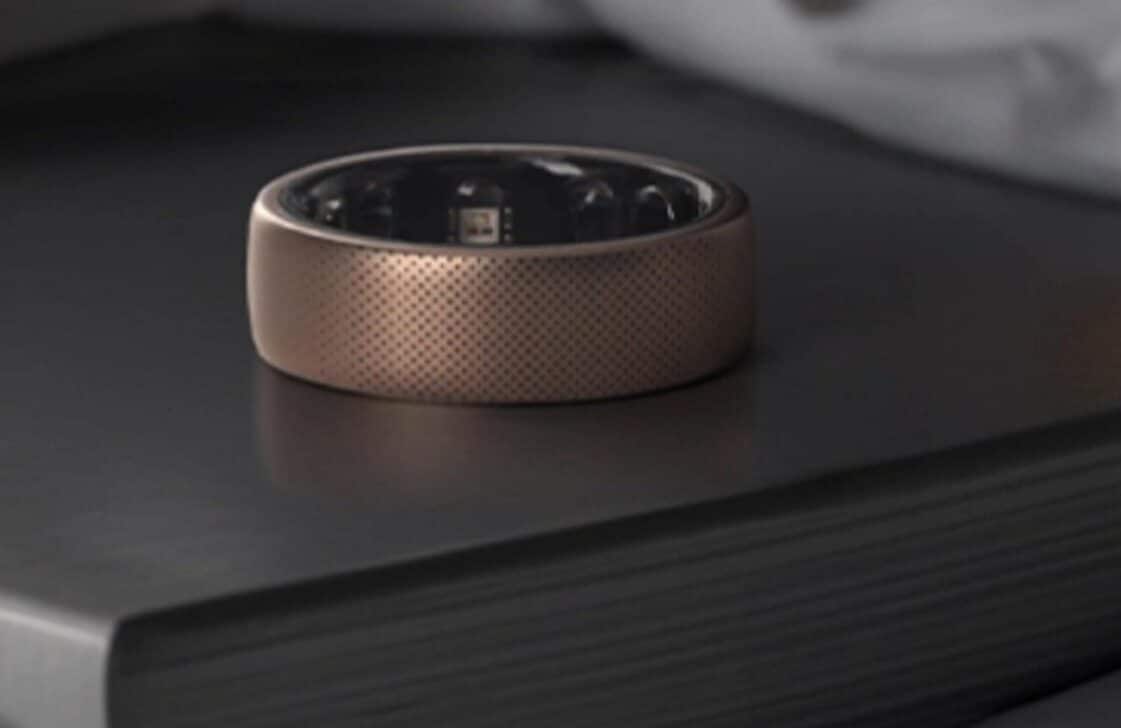
The wearable devices market takes on new contours with the direct dispute between two smart ring options aimed at health monitoring. Amazfit Helio Ring arrives in stores with the proposal to democratize access to technology at a reduced cost. Do On the other hand, the Oura Ring 4 tries to maintain its hegemony in the segment by offering premium finishing and a highly detailed data ecosystem.
Choosing between the two models requires a careful analysis of each consumer’s priorities in relation to daily use. Testes Practitioners evaluated the performance of both devices in aspects such as sleep quality, physical readiness and precision during sporting activities. Enquanto One device relies on the absence of monthly fees to attract buyers, the other justifies its high price with advanced algorithms and highly durable materials. The impact on the pocket and the in-app experience define each brand’s target audience.

Physical architecture and comfort in continuous use
Building an accessory that stays on your fingers day and night requires a perfect balance between lightness and resistance. The Oura Ring 4 stands out in this aspect by offering an extensive catalog of sizes, ranging from 4 to 15, as well as multiple color options. The manufacturer recently introduced a ceramic version that uses high-performance zirconia, ensuring that the color is part of the material’s structure and does not peel off over time. Este model weighs between 3.3 and 5.2 grams, with a minimum thickness of 2.88 millimeters. The variety of finishes makes it easy to adapt the product to the personal style of whoever uses it.
The Amazfit Helio Ring takes a more restrained approach, combining a titanium alloy on the outside with a resin coating on the inside. The weight of the Chinese device is around 3.65 to 3.82 grams, with a slightly smaller thickness of 2.6 millimeters. Ambos The designs do the right thing by hiding the sensors inside, avoiding any type of protrusion that could cause friction or irritation to the user’s skin over the weeks. Water resistance reaches the 100 meter mark in both cases, allowing diving and bathing without any worry about damage to electronic components.

Battery performance and charging routine
Energy autonomy represents one of the main points of divergence between competitors. The Oura device can remain away from the socket for a period ranging from five to eight days, depending on the intensity of use of the monitoring sensors. The time needed to recover a full charge ranges between 45 and 80 minutes, making it easy to charge quickly during your morning self-care routine.
The scenario changes when analyzing the behavior of Amazfit Helio Ring in terms of energy. The ring lasts for a maximum of three to four days, requiring greater discipline from the user to avoid having the device discharged in the middle of the week. The recharging process is also slower, exceeding the one hour mark and reaching 100 minutes in some situations. Essa The need for frequent charging may put off consumers looking for an invisible device that requires little daily maintenance, highlighting the difference in software optimization between the two brands.
App ecosystem and sports tracking
The user interface dictates how health information is interpreted and applied to improve quality of life. Oura’s app shines by transforming complex data into easy-to-understand scores covering things like fitness, stress, and heart health. The system takes about two weeks to map an individual’s patterns and begin providing highly personalized advice. In the sports field, the ring automatically detects walking and movements, focusing heavily on analyzing post-workout recovery and variations in body temperature. Sleep tracking proves to be extremely accurate, breaking down rest into detailed stages that help you understand mental and physical recovery.
The Zepp app, which manages Helio Ring, takes a different tack by prioritizing real-time metrics for specific activities like running, walking, and outdoor cycling. The user can view their pace, distance and heart rate directly on the cell phone screen during exercise, something very useful for amateur athletes who don’t give up monitoring their performance. The device also has an electrodermal activity sensor aimed at measuring physical responses to daily stress. Embora Although Zepp’s visual organization is a little less fluid than its competitor’s, it makes up for it by delivering essential data without the barrier of a mandatory subscription.
Technical specifications and financial impact
The price factor is usually the decisive element when purchasing a smart wearable. The Oura Ring 4 requires an initial investment starting at US$349 for the titanium versions, reaching US$499 for the ceramic editions, in addition to charging a monthly subscription of US$5.99 to unlock all of the application’s functions. Amazfit Helio Ring costs approximately US$150 and does not require the customer to pay monthly fees to access basic health and sports data.
To make it easier to see the differences, it is essential to observe the cold numbers for each project. The specifications reveal manufacturers’ choices to balance cost and benefit in the technology market. Abaixo, the main details that separate the two devices in terms of hardware and operational features.
- Oura Ring 4 offers sizes from 4 to 15, while the Helio Ring restricts options to sizes 8, 10 and 12 in certain markets.
- The premium model’s battery lasts up to eight days compared to just four days for the more affordable competitor.
- Both rings can withstand water pressure equivalent to 100 meters deep without compromising functionality.
- The Zepp app delivers real-time data for races without requiring monthly fees.
- The structure of the Oura uses titanium or zirconia ceramics, while the Helio uses a mixture of titanium alloy and resin.
- The recharging time of the more expensive model is considerably shorter, completing the cycle in up to 80 minutes.
Purchasing targeting for different audiences
The final decision on which smart ring to take home depends directly on the buyer’s usage profile and financial disposition. Consumidores who value a refined design, similar to traditional jewelry, and want a holistic overview of their health will find Oura Ring 4 the ideal tool. The subscription charge is justified by the constant delivery of updates, automatic detection of dozens of activities and a level of sleep detail that is difficult to surpass by the competition. Trata from an investment focused on the long term and preventive monitoring of general well-being.
On the other hand, the Amazfit Helio Ring positions itself as the perfect gateway to the universe of smart rings. Ele perfectly suits runners who already use the brand’s watches and want a discreet complement for nighttime and stress monitoring. The absence of monthly fees makes the product extremely attractive for those who want to test invisible tracking technology without making recurring financial commitments that weigh on the annual budget.