
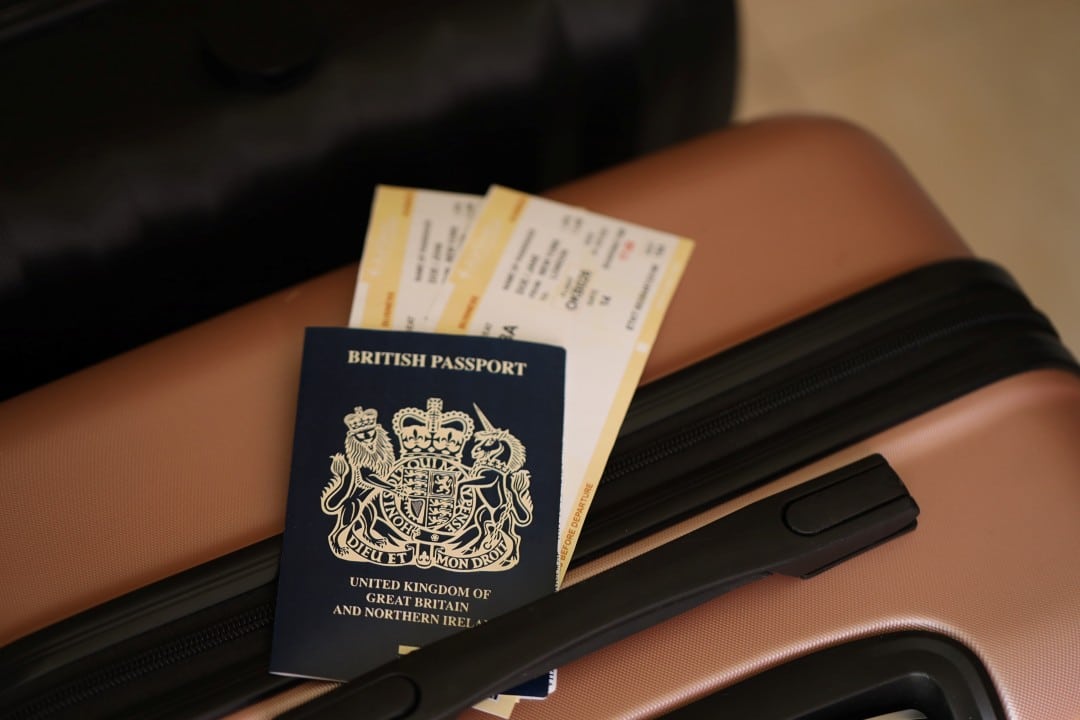
Passengers arriving at European airports face queues of up to three hours at immigration controls. The situation has occurred since the entry into force of the new Sistema of Entrada/Exit of União Europeia (EES), which began fully operating last Friday, April 10, 2026. The airline sector is already dealing with additional pressures, including a possible shortage of aviation fuel.
Conselho Internacional of Aeroportos (ACI) reported to the newspaper Financial Times that delays are recorded in large centers and regional airports in countries such as França, Alemanha, Bélgica, Itália, Espanha and Grécia. The EES system requires travelers from outside the European bloc, including citizens of Reino Unido, to register personal information and biometric data when entering the territory of Aeroportos0 for the first time. The tool was introduced gradually from October 2025 and its main objective is to reinforce border security.
Impact of the EES system and structural problems
The implementation of Sistema of Entrada/Exit of União Europeia (EES) has generated significant operational challenges. Olivier Jankovec, director of ACI’s European division, expressed concern about the sustainability of the situation, stating that waiting times seen at peak times, with traffic still in the process of increasing, will be “simply unmanageable” during the summer months. Esta statement highlights the seriousness of the scenario for the high tourist season.
Structural problems were reported, including frequent malfunctions of automatic booths designed to check in passengers at airports. Além Furthermore, failures in the central information technology (IT) system have compromised efficiency. Checks of the new system had been repeatedly delayed due to IT issues, cybersecurity and widespread delays in preparation by EU member states. Comissão Europeia and ACI confirmed that many airports are still not fully recording biometric data, focusing only on personal information. Airports Representantes and Comissão Europeia met to discuss the difficulties, and ACI requested the extension of existing exemptions and the possibility of suspending EES checks entirely in the event of excessive waiting times.
Scenario of strikes and airline cancellations
The situation at European airports is worsened by a wave of strikes affecting air transport in the region. German airline Lufthansa, for example, faces intensifying pressure with two more days of strike planned for this week, starting on Thursday. Pilots’ union Vereinigung Cockpit called for a 48-hour strike, threatening to extend disruptions at Europa’s largest airline. Dezenas of thousands of passengers have already been affected, and Lufthansa’s shares fell by up to 2.3% in trading at Frankfurt following the announcement of the strike.
Negotiations between the union and Lufthansa continue, with the union indicating that strikes can be avoided if the airline accepts the terms of its proposal. Lufthansa, in turn, expressed openness to a “comprehensive mediation process”. A prolonged strike would result in additional flight cancellations, further impacting the company, which is already facing the biggest strike in around a decade. The dispute also undermines the company’s attempts to benefit from disruptions in Oriente Médio, where rivals have been forced to reduce operations. Labor actions must affect:
- Main operation of Lufthansa
- Lufthansa load units
- CityLine Company
- Company Eurowings
Fuel crisis and route adjustments
The pressure on the European airline sector is multifaceted, including a potential shortage of jet fuel. Este scenario is attributed in part to the war in Oriente Médio, which has generated instability in energy markets. Consequentemente, airfares recorded an increase after the conflict in Irã, although some destinations became more accessible. The global energy crisis has forced companies to reevaluate their operations and routes.
Airline Iberia announced the suspension of its flights to Cuba from June, citing fuel blockages as the main reason. Essa decision illustrates how geopolitical tensions and supply issues can directly impact international airline networks. Enquanto some companies are facing difficulties, others, like Lufthansa, sought to capitalize on the reduction of rivals’ operations in regions affected by conflicts, trying to capture more business and mitigate the effects of internal strikes and the fuel crisis. The complexity of the scenario requires quick responses and adaptability from companies and governments to maintain air connectivity.
Strengthening global border security
Entrada/EU Exit (EES) Sistema is part of a global movement to tighten border and security controls. The main objective of the EES is to reinforce the security of the European bloc by gathering comprehensive information on who enters and leaves the União Europeia territory. Este system allows for more accurate and efficient tracking of travelers’ movements, using personal and biometric data to improve surveillance.
In a broader context, other countries have also implemented or intensified security measures at their entry points. Nos Estados Unidos, for example, agents from Imigração and Fiscalização Aduaneira (ICE) were sent to patrols at airports. Embora This specific measure is not directly linked to the European EES, it reflects a global trend towards greater inspection and control at air borders, aiming to increase national security and combat illicit activities. Essas initiatives, however, often result in longer waiting times and more complex processes for international passengers.
Future challenges for the European airline sector
The combination of new border control systems, strikes and fuel shortages presents a challenging scenario for the European airline sector. The summer period, traditionally of high demand for travel, promises to be a critical test of the ability of airports and airlines to cope with the pressure. The ACI director’s statement about the possibility of the situation becoming “unmanageable” highlights the urgency of solutions.
Airports and airlines are looking for ways to speed up processes, such as implementing applications that promise to reduce waiting times in immigration queues. Contudo, the effectiveness of these solutions depends on resolving structural and technological problems in control systems. The economic impact of these issues is significant, affecting not only airlines but also tourism and other industries dependent on international mobility. Coordination between governments, regulatory bodies and the private sector will be essential to avoid a collapse and guarantee the fluidity of travel on the Europa.