
One of the most acclaimed games in the history of video games could be the big bet to boost the next generation of consoles. Rumores recent games stirred the gaming community by suggesting a triumphant return of an absolute classic from the 1990s.
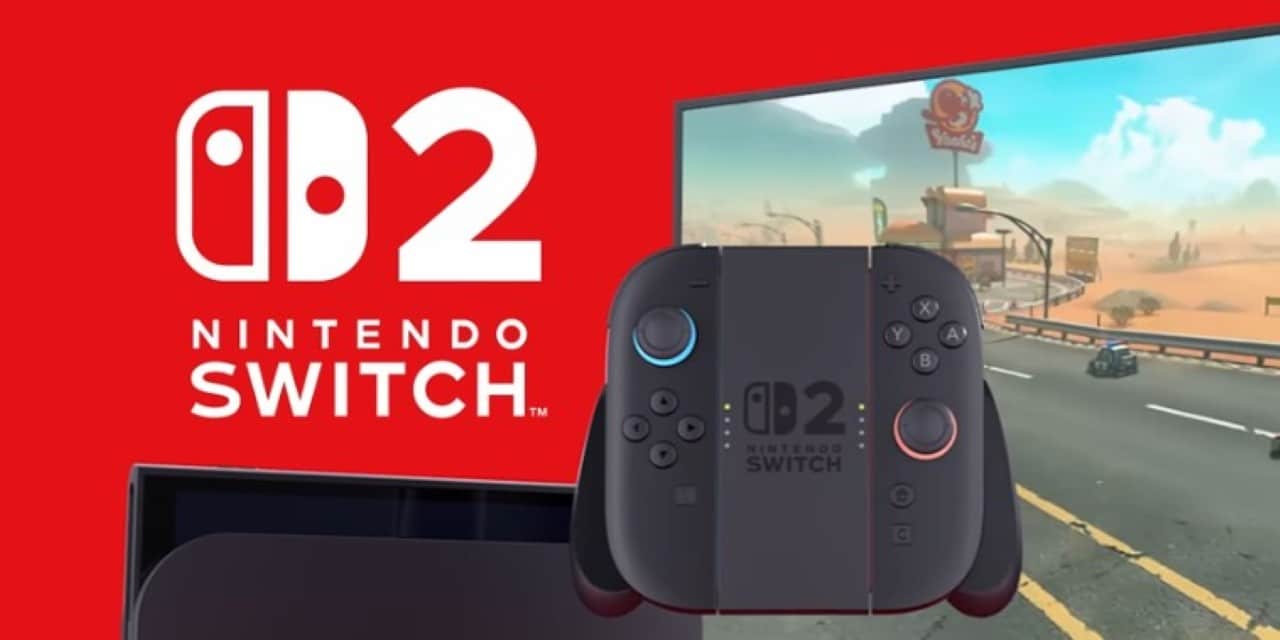
A new leak from the technology industry indicates that Nintendo is developing a special edition of the highly anticipated Switch 2, completely inspired by a remake of “The Legend of Zelda: Ocarina of Time”. The information, released by sources linked to the Asian supply chain, indicates that the Japanese company plans to launch the themed hardware along with the new version of the game. The objective of the strategy is to guarantee a strong sales volume in the first months of the device’s life. The company remains officially silent on the matter to protect the commercial performance of its current platform.
Market strategy and the manufacturer’s silence
The Japanese manufacturer’s cautious stance has a clear financial justification in the current scenario of the digital entertainment market. The original model of the hybrid console has already surpassed the mark of 140 million units sold worldwide since its launch, consolidating itself as one of the most successful devices in history. Anunciar A hasty successor could cause a sudden and immediate drop in demand for the current device, harming the current year’s fiscal results and frustrating the projections delivered to shareholders. Therefore, company executives adopt a strict disclosure schedule, avoiding any premature confirmation about the new hardware in public events or financial reports. The transition between generations is always a delicate moment for technology companies, as it requires a perfect balance between maintaining investor interest and emptying old stocks that still occupy the warehouses of retail chains. Especialistas from the sector point out that the official revelation should only occur when the production line is fully stabilized and capable of meeting initial demand. Até there, the strategy consists of feeding the current catalog with lower-budget titles, remasters and continuous software updates. The absolute secrecy even affects partner development studios, which operate under strict confidentiality contracts and receive programming kits under strong corporate monitoring.
The historical weight of the adventure classic
Originally released in 1998 for Nintendo 64, “The Legend of Zelda: Ocarina of Time” revolutionized the way three-dimensional virtual worlds were constructed. The title established gameplay standards, such as locking on enemies and exploring open scenarios, which are used by the industry to this day. A complete remake of this work represents a commercial asset of gigantic proportions for the company. Reimagining the game with modern graphics and updated mechanics has the potential to appeal to both nostalgic veterans and a new generation of consumers. Developing a project of this magnitude requires years of work and considerable financial investment on the part of internal studios.
The special edition of the console must feature visual elements directly linked to the game’s identity, such as specific colors and symbols engraved on the casing. Edições Themes tend to sell out quickly in stores and become highly valued collectors’ items on the secondary market. Essa sales tactic has already been successfully applied in previous releases of the franchise.
Technical architecture and partnership with Nvidia
In the technological aspect, the leaked information indicates that the new device will maintain the hybrid nature that established its predecessor. The user will be able to switch between portable mode, with an integrated high-resolution screen, and table mode, connected to a television. The big structural difference lies in the graphics processing power, which will receive a significant boost through a renewed partnership with chip manufacturer Nvidia. The system must incorporate modern image upscaling technologies, allowing games to run more fluidly without quickly draining the device’s battery.
The implementation of new internal components aims to resolve the platform’s historical technical bottlenecks. Fontes from Asian Supply Chain detailed some of the expected specs for the hardware in production. Key structural advances include:
- Integration of DLSS technology for resolution improvement based on artificial intelligence.
- Substantial increase in RAM capacity to support complex textures.
- Faster internal storage, drastically reducing load times.
- Compatibility with modern graphics engines used by third-party studios.
- Improved cooling system to prevent overheating in portable mode.
Backward compatibility and library transition
One of the most sensitive points for consumers when changing generations is the preservation of the collection of games already acquired over the years. Recent reports reinforce the thesis that the new console will have full backwards compatibility with the current system’s library, encompassing both physical cartridges and purchases made in digital format. Essa functionality allows users to transfer their accounts seamlessly and continue accessing purchased titles without the need to pay additional fees or purchase updated versions. Maintaining the digital ecosystem is a non-negotiable requirement of the contemporary market, as players invest high amounts in virtual libraries that are linked to their user profiles. Direct Concorrentes have already adopted this continuity practice as an industry standard, which puts pressure on the Japanese manufacturer to follow the same path so as not to lose its vast installed base to other platforms. Além of the games themselves, it is expected that online subscription services, which offer access to classics from past generations, will also transition seamlessly to the new software environment. The guarantee that previous investments will not be lost greatly facilitates the decision to purchase a new device on the day of launch, reducing the barrier to entry. The unified system architecture is the central element that enables this secure technological bridge between the two generations of hardware.
Impact on the global production chain
Manufacturing an electronic device on a global scale involves a complex network of parts suppliers and assemblers. Relatórios import and export numbers at Ásia often reveal atypical movements that indicate the beginning of mass production of new electronics. Factories responsible for final assembly need months in advance to accumulate sufficient stocks and avoid product shortages on shelves. Global distribution logistics also require meticulous planning, involving sea and air transport to supply key markets simultaneously.
The alignment between the launch of the hardware and the arrival of a major title is fundamental to the initial success of the platform. The video game industry closely monitors every step of this manufacturing process. The coming months should see an increase in the volume of components ordered by Asian assembly lines.
