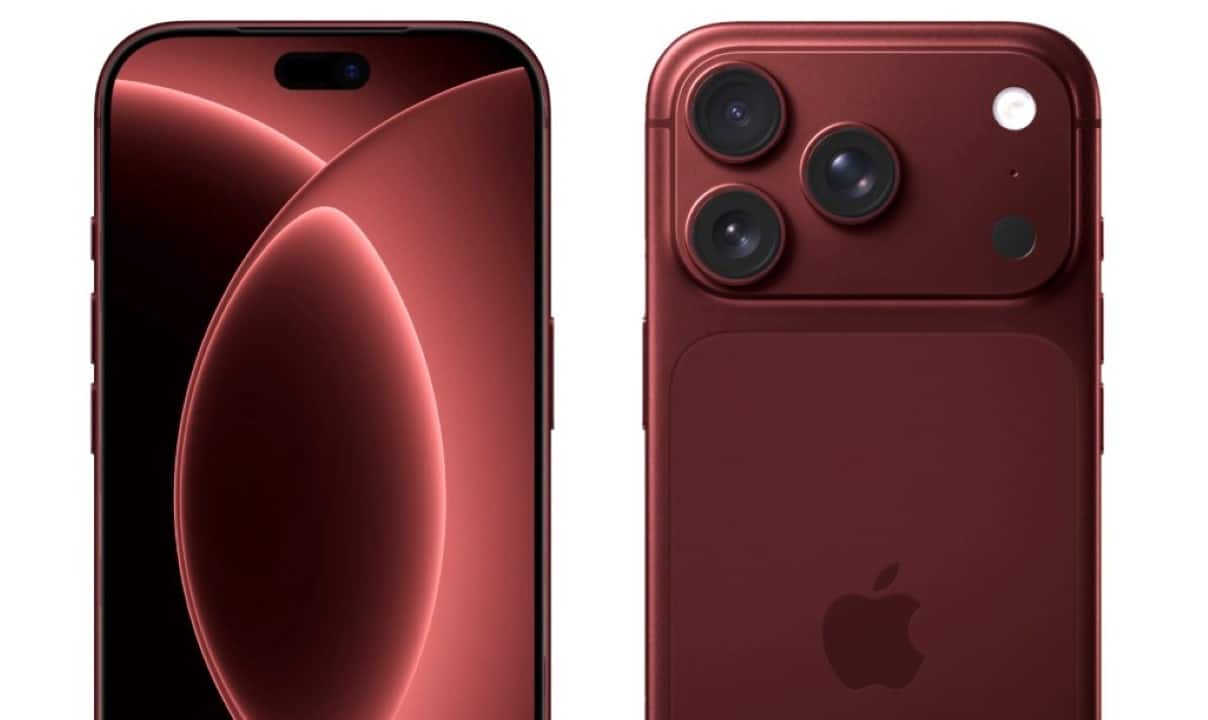
The global technology industry is preparing for a profound change in the visual standard of high-performance mobile devices. The next generation of premium smartphones developed at Califórnia will hit the market with a completely transparent rear chassis. The new format exposes the device’s internal engineering and breaks with decades of traditional opaque design maintained by major manufacturers.
The official launch is scheduled for September, following the North American company’s historical calendar. The aesthetic change required a complete restructuring of the assembly line and the use of new industrial materials to ensure symmetry of visible components. The model also brings significant advances in energy autonomy and local data processing. The strategy raises the bar for competing brands in the most expensive segment of electronic retail.
Titanium structure and chemical treatment of glass
The decision to adopt a translucent panel required the creation of specific material protection technologies in specialized laboratories. The rear glass of the equipment receives an exclusive chemical treatment formulated to prevent natural yellowing caused by continuous exposure to ultraviolet light over the years. Esse complex industrial process guarantees superior mechanical resistance against daily scratches and accidental drops on hard surfaces. The main structure supporting the transparent panel uses aerospace-grade titanium, a metal chosen for its unmatched ratio of lightness to extreme structural rigidity. The union between the precision-machined metal chassis and the glass required the development of an industrial adhesive that is unprecedented in the commercial electronics sector. Este chemical compound seals the device against the ingress of water and microscopic dust particles. The insulation complies with the most stringent international environmental protection certifications. Todo This sealing system works without compromising the transparency that reveals the smartphone’s motherboard and internal circuits.
The motherboard has undergone a thorough redesign to meet strict aesthetic criteria beneath the glass surface. Cada circuit and connector has been positioned to create a clean, uncluttered appearance. Machinery in Asian factories needed to be recalibrated to handle these new metal alloys with microscopic precision.
Energy autonomy and thermal dissipation
The daily operating capacity presents a significant technical leap with the integration of a 5200 mAh power cell. The volumetric increase occurred thanks to a new internal chemical architecture of the battery, capable of storing more charge in the same physical space. The millimetric optimization of the internal compartment allowed the inclusion of this high-density component without thickening the device’s profile. The designers balanced the need for longer usage time with the ergonomics necessary for constant handling.
The exposure of internal circuits created a critical challenge regarding hardware temperature management. The solution found by the engineering team involves the application of high-density graphene plates and a redesigned vapor chamber system. Essa Advanced thermal structure dissipates the heat generated by the processor quickly and completely silently. The mechanism protects the glass panel against overheating when performing computationally demanding tasks.
Hidden sensors and screen resizing
The dimensions of the displays underwent proportion adjustments to maximize the useful viewing area for the end user. The standard high-performance model now has a 6.3-inch screen, while the larger format variant has a 6.9-inch screen. The engineering responsible for the OLED panel managed to refine the side frames considerably. The most profound change to the front interface involves relocating the facial recognition and brightness sensors below the active screen. Essa technical modification eliminates the need for large cutouts on the top of the glass and creates an almost uninterrupted touch surface. The structural change reduces the area occupied by the old upper notch by 35%. The freed space is now used to display operating system status icons and notifications. The development of the hidden biometric sensor required extensive research to ensure reading accuracy across the pixel layer. Infrared light penetrates the screen matrix without distortion and validates the owner’s identity instantly in any lighting condition.
The maximum brightness of the panel in open environments also received a considerable technical increase. The improvement makes it easier to read texts and watch videos in direct sunlight. Display hardware operates in sync with new software features to optimize display power consumption.
Local processing and expanded memory
The central core of the smartphone works from a chip manufactured using the innovative 2 nanometer process. The component sets a milestone in transistor miniaturization and focuses on executing artificial intelligence algorithms directly on local hardware. The architecture drastically reduces dependence on cloud-based servers for processing voice commands and image analysis.
The device’s RAM memory jumped to 12 GB, a key technical specification for keeping complex language models running in the background. The capacity guarantees fluidity in switching between dozens of applications open simultaneously. The memory volume plays a direct role in carrying out demanding tasks, such as translating conversations in real time without an internet connection.
Optical innovations and satellite connectivity
The rear photographic module introduces a variable aperture mechanism in the main lens, technology inherited from dedicated professional cameras. The sensor physically adjusts the amount of light captured according to the ambient lighting. Mechanical innovation improves depth of field in portraits and generates authentic background blur without relying on software.
All lenses in the set have an optical coating designed to mitigate unwanted reflections from direct light sources during nighttime recording. The optical zoom system adopts an enhanced refraction prism that stabilizes the image efficiently during moving shooting. The integration between the camera hardware and the signal processor allows the application of artificial intelligence filters at the exact moment of the click. The device’s communications infrastructure has also been expanded to support a substantially more robust satellite connection.
- Making short voice calls in areas without traditional cellular network coverage.
- Sending compressed multimedia files directly via spatial radio frequency.
- Permanent removal of the physical tray for carrier chips on all models.
- Mandatory transition to virtual chip technology to free up internal space.
The Asian supply chain has begun the final calibration of its assembly lines for mass production. The extremely high-precision machinery demands rigorous quality control at each stage of the industrial process. Price positioning in stores will reflect the high research and development costs involved in creating the ultra-premium device.
