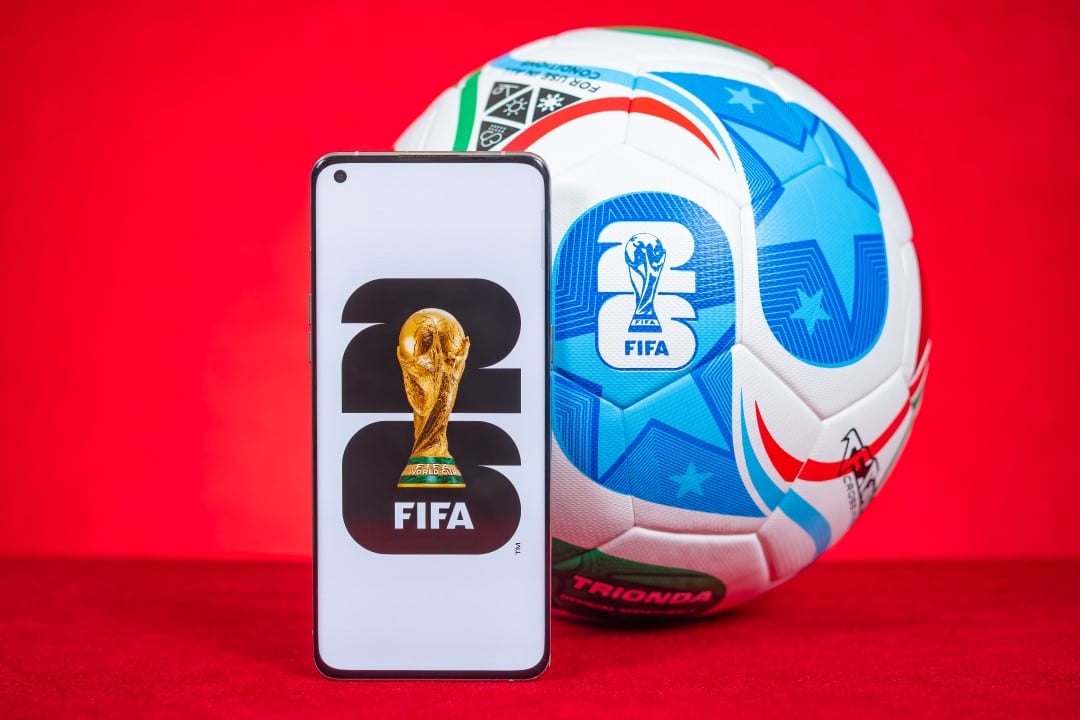
The highest football entity has made official the complete list of the 48 teams that will compete in the 2026 Mundial in the América of the Norte. The last vacancies were filled after the end of the European and intercontinental repechages. Managers now have the exact mapping of the 12 groups in the competition. The technical committees begin tactical planning based on the opponents defined for the initial phase. The tournament features the largest expansion of participants in the history of the sport.
The event jointly hosted by Canadá, Estados Unidos and México ushers in a complex logistical dynamic. The opening match takes place on June 11th at Estádio Azteca. México hosts África from Sul in a repeat of the inaugural 2010 clash. The final takes place on July 19th at MetLife Stadium. The increase in the number of teams changes the classification system for the knockout stages. The first two placed in each bracket advance directly. The eight best third-placed teams also guarantee space in the round of 16. Essa configuration requires more robust casts to withstand the physical wear and tear of traveling between the three countries.
Caminho from the Brazilian team starts against the African team
Brasil tops Grupo C of the international tournament. The team led by coach Carlo Ancelotti debuts on June 13th against Marrocos. The initial clash requires extra attention against an opponent who has demonstrated strength in recent global competitions. The order of matches continues with a duel against Haiti. The first phase ends with a game against Escócia. The national confederation’s performance analysts already gather materials on each opponent’s playing pattern.
The exact definition of the sequence of games makes it easier to choose training bases. The calendar allows you to organize air travel in advance to avoid unnecessary wear and tear on athletes. The technical committee evaluates the climatic variations of the host cities before concluding accommodation contracts. Logistics planning runs in parallel with adjustments in the field.
European Repescagem fills in the last gaps in the draw
The late qualifiers on the European continent defined the fate of traditional teams. Turquia, Suécia, República Tcheca and Bósnia secured the final spots after tense elimination matches. The entry of these teams changed the difficulty level of previously drawn brackets. Grupo A, for example, received República Tcheca alongside México, África from Sul and Coreia from Sul. Bósnia entered Grupo B to face Canadá, Catar and Suíça. The complete closure of the table ends months of speculation about the draw pots. European coaches needed to adapt the friendly schedule due to the extension of the qualifying period. The massive presence of teams from the old continent maintains regional hegemony in the distribution of places.
The expansion of the format diluted the concentration of powers in the same group during the initial phase. The system directed seeded players to isolated positions to balance the global television audience. Grupo D illustrates this distribution by pitting Estados Unidos against Paraguai, Austrália and Turquia in physically demanding matches. Intercontinental clashes gain space in the first rounds of the tournament. Asian and African teams find more opportunities to advance to the knockout stage with the increase in regional quotas. The technical balance of the secondary brackets attracts the attention of sports statistics experts.
Organização details geographic distribution of matches
FIFA works on finalizing the table with the specific times and stadiums for each match. The territorial division attempts to minimize the impact of time zones on athletes during muscle recovery. American arenas hold most of the group stage games due to their audience capacity. Canadá and México share the remaining matches of the initial stage with modernized structures. Local organizing committees align integrated safety protocols.
- Estádio Azteca receives the inaugural game with maximum expected capacity.
- The MetLife Stadium focuses security operations for the grand finale.
- Canadian arenas test pitches adapted to the local climate.
- American training centers receive weekly technical inspections.
Mapping headquarters directly influences international ticket sales and air flow. South American fans await confirmation of the cities that will host Grupo C games to buy tickets. Tourism agencies prepare packages focused on the Brazilian team’s routes through América of Norte. Demand for accommodation soars in metropolitan areas close to large sports complexes selected by the federation. The hotel infrastructure undergoes rigorous assessments by local tourism authorities.
Amistosos preparations gain importance in the calendar
Prior knowledge of opponents changes the strategy for scheduling friendlies. The confederations look for opponents with similar characteristics to the teams in their respective groups. Brasil used the recent victory over Croácia as a test of intensity for the midfield. The positive result consolidates the tactical work developed by the Carlo Ancelotti team. Marrocos schedules matches against South American teams to simulate the debut clash. Escócia prioritizes testing against quick transition teams to deal with the Brazilian attack. The Haiti focuses on defensive resistance and dead ball training. The period of FIFA dates until the start of the tournament serves as a definitive laboratory for finalizing the squad lists.
The increase to 48 participants requires observation of a greater number of players by scouts. Last-minute injuries represent a considerable risk in an extremely tight club calendar. The national teams’ medical departments monitor the athletes’ stats in the European and South American leagues through performance software. Communication between team and federation physiologists occurs weekly to avoid muscle overload. Physical preparation defines success in a competition marked by long journeys and sudden changes in temperature.
Estruturas broadcast receives technology upgrades
The tournament’s imaging incorporates new high-speed cameras and motion sensors around the pitch. The stadiums receive state-of-the-art fiber optic cabling to support broadcasters’ global data demands. The press booths undergo rigorous structural expansions to accommodate journalists from more than one hundred countries simultaneously. The international broadcast center coordinates the signal from multiple group stage matches without connection delays. Semi-automatic offside technology gains dedicated servers in each arena.
The organizing committee holds test events in selected stadiums during local competitions. Security teams simulate evacuation and crowd control procedures in outdoor areas. Volunteers undergo practical public orientation training in several languages. The urban mobility scheme integrates train, subway and express bus lines on game days. Customs authorities align immigration processes to facilitate the entry of delegations and sports equipment.