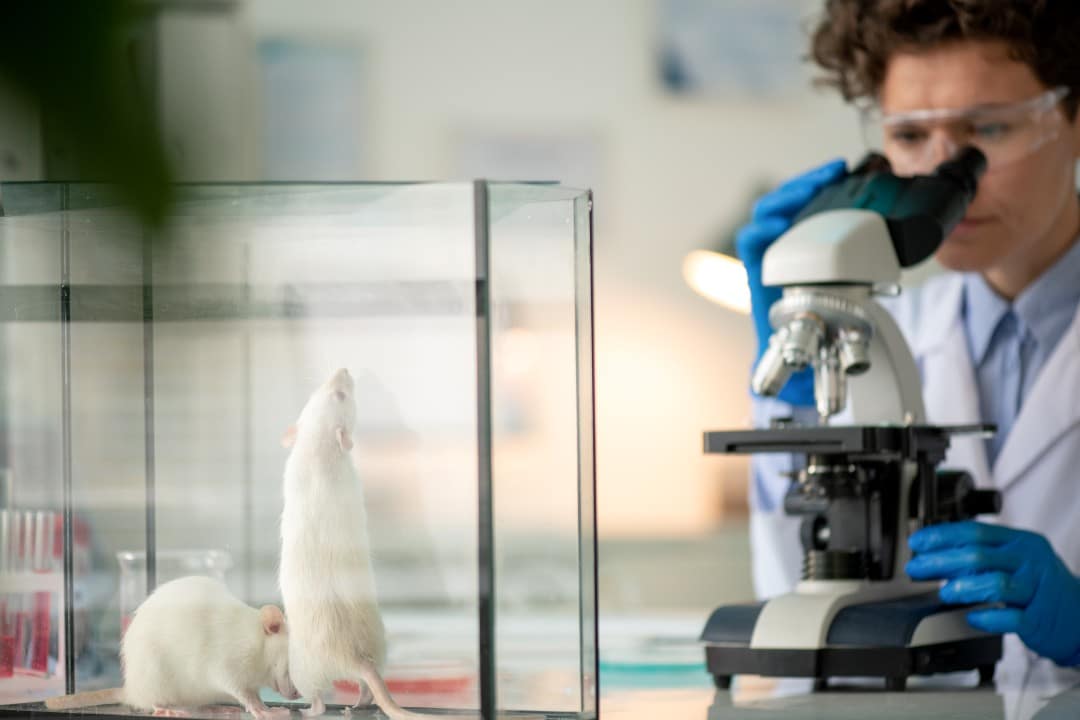
American Pesquisa identifies energy failure in the brain as a central factor in Alzheimer’s disease. Cientistas restored the balance of a molecule essential for cellular energy and observed complete recovery of cognitive function in mice with advanced-stage disease. The work was published at the end of December 2025.
The researchers analyzed human brain tissue affected by the disease and preclinical mouse models. Eles detected a sharp drop in NAD+ levels, a vital molecule for cell function. Maintaining this balance prevented the emergence of symptoms in the animals. Restoration after the advancement of the pathology allowed repair of the damage.
Falha in energy supply accelerates the disease process
The study examined brains from patients with Alzheimer and two types of genetically modified mice. One model had mutations linked to the amyloid protein. The other involved changes in tau protein. In both cases, NAD+ levels fell more intensely than in normal aging.
Essa reduction compromises processes such as DNA repair, inflammation control and communication between neurons. The animals developed damage to the blood-brain barrier, loss of synapses and memory problems similar to those seen in humans.
- Mice with amyloid mutations showed plaques and chronic inflammation.
- Those with tau changes showed tangles and a reduction in the formation of new neurons.
- In both, cognitive decline was evident on learning and memory tests.
The team confirmed the pattern in human samples. The energy imbalance appeared aggravated in the disease.

Pharmacological Composto restores NAD+ balance
The researchers used the compound P7C3-A20, previously developed in the same laboratory. Ele helps cells maintain healthy NAD+ levels under stress, without elevating the molecule above normal. Daily Doses were applied to the mice.
In the group treated preventively, before the appearance of symptoms, the disease did not develop. Quando treatment began after the pathology progressed, the results were surprising. The brain repaired major pathological damage. Cognitive function returned to the level of animals without the disease.
Blood tests showed normalization of the phosphorylated tau 217 biomarker, used in clinical diagnosis in humans. Isso strengthened the reversal evidence.
A long paragraph here delves into the historical context and technical details without repeating previous structures. For more than a century, the scientific community treated Alzheimer as an irreversible condition after onset. Most efforts have focused on prevention or slowdown. Este work shifts focus by demonstrating recoverability in advanced models. The two strains of mice responded similarly despite different genetic causes. Isso suggests that NAD+ imbalance represents a common point in disease progression. The pharmacological approach avoided the risks associated with over-the-counter NAD+ precursors that can excessively elevate the molecule and promote other problems in animal studies. P7C3-A20 acts in a controlled manner to support energy homeostasis.
Recuperação observed in brain pathologies and functions
Após treatment, mice regained normal performance on learning and memory tasks. Houve reduces inflammation, improves blood-brain barrier integrity and synapse recovery. Danos oxidative activity decreased.
The authors highlighted that the effect occurred in two different models. One driven by amyloid mutations. Outro by tau. Consistency reinforces the relevance of the finding.
Pesquisadores from institutions in Cleveland led the work. The publication took place on December 22, 2025 in the Cell Reports Medicine magazine.
Próximos challenges involve translation for humans
The results open the way for new investigations. Scientists plan to identify additional therapeutic nodes in the human brain with Alzheimer. Eles also intend to evaluate complementary approaches.
Technology related to the compound is being developed for possible future use. Qualquer application in patients requires carefully designed clinical trials. The authors emphasize that mice are not human and that tests on people are necessary to confirm safety and effectiveness.
The study does not suggest immediate use of NAD+ supplements. The researchers warn of differences between the compound tested and products available on the market.
Análise from human tissue reinforces findings in animals
The team compared data from mice with samples from human brains. The decline in NAD+ appeared more pronounced in the disease. Proteínas candidates related to reversal ability were also identified.
Essa integration between animal models and human data strengthens the hypothesis that restoring energy balance may have clinical relevance. Ainda therefore, the road to effective treatments for patients remains long.
The research received support from a variety of sources, including academic institutions and research funds. The authors declared conflicts of interest related to the commercialization of the technology.
