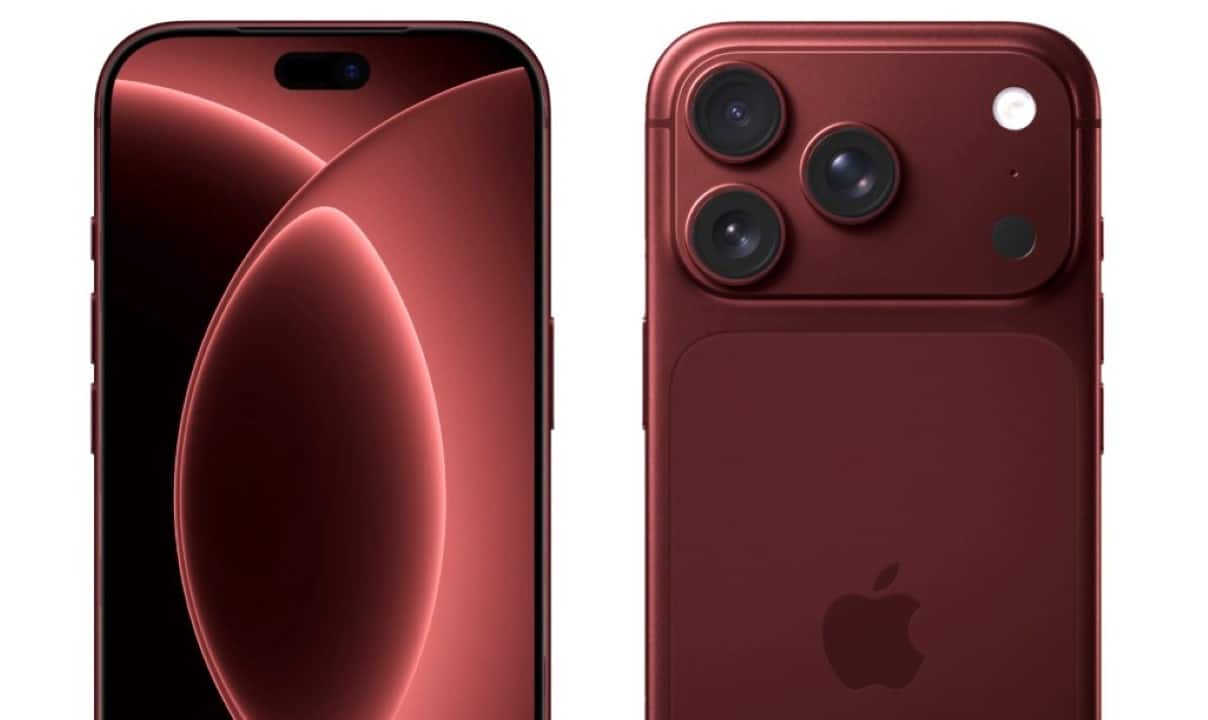
Apple plans to introduce a significant physical change to the camera array of its future line of premium cell phones. The North American manufacturer will adopt a variable aperture system in the main lenses of the devices scheduled for the market in 2026. The mechanism replaces the static standard used by the company for years. The change allows real control of the luminosity input to the photographic sensor.
The decision marks a transition in the company’s development strategy. The brand has historically relied on digital image processing to correct imperfections and improve nighttime captures. Mechanical adjustment delivers superior results in extreme lighting scenarios and brings the cell phone’s quality closer to the performance of professional equipment. Initial Testes with the new components have already started in Ásia partner factories. The assembly of the final modules is expected to begin in the middle of the year.

Funcionamento of the moving blades on the main sensor
The most expensive phones in the current portfolio operate with a fixed aperture of f/1.78. Esse value defines the exact size of the space through which light passes through the lens before reaching the internal electronic component. The variable format changes this limitation by adding small movable blades within the optical structure. The user can expand the hole in dark environments to absorb as much light as possible. The same engineering allows space to be contracted in places with excessive sun. Physical closure ensures that all elements of a landscape remain in sharp focus. The dependence on algorithms to correct distortions drops drastically with this solution.
Fotógrafos professionals have mastered this basic exposure principle for decades in their studios. Miniaturizing such a complex mechanism to fit into the thin thickness of a cell phone requires extremely high industrial precision. The transition between the different opening stages needs to occur smoothly to ensure the success of the tool in everyday use. The mobile technology market has already tested similar concepts in the recent past. Samsung launched a device with alternation between two predefined positions in 2018. The version developed now promises multiple levels of adjustment. The technical evolution of miniature engines makes this unprecedented precision in the segment possible.
Vantagens practices for recording videos
The capture of moving images concentrates the greatest practical benefits of this hardware upgrade. Produtores of audiovisual content usually record materials at the rate of 24 frames per second to achieve a cinematic aesthetic. Maintaining this specific speed during a sunny day requires extreme settings on static lenses. The end result often presents artificial movements and tremors that harm the quality of the material. Physically reducing the aperture solves this obstacle by blocking excessive light from entering in a natural way. The technique eliminates the use of external dark filters attached to the front of the phone. The background blur effect takes on much more realistic contours. The visual cut between the person being filmed and the scene happens due to the physics of light itself. The system avoids those common flaws at the edges of the hair or on transparent objects. The 48 megapixel sensors will work in sync with this new optics. The combination generates video files with a wide margin for color editing on computers.
Continuous focusing while recording also sees substantial improvements with the variable lens. The internal engine adjusts the depth of field in real time as the user walks or changes the frame. The transition from a dark indoor environment to a sunny street occurs without sudden jumps in video exposition. The technology delivers a visual fluidity that is difficult to replicate with software processing alone.
Distribuição of production between Asian factories
The complexity of the mechanism forced the company to divide the manufacturing of the parts between several technology companies in the East. The adaptation schedule for industrial facilities began to be designed to guarantee the necessary delivery volume. The production process requires perfect synchronization between suppliers of microscopic components.
- LG Innotek takes over the main production of the modules at its factory in Coreia from Sul.
- Sunny Optical is responsible for creating high-precision mechanical actuators.
- Luxshare ICT provides the complementary parts for the opening structure.
- Foxconn and Cowell carry out the final assembly and quality tests of the blocks.
- Linhas assembly plants begin mass operation between June and July 2026.
The South Korean manufacturer has secured supply leadership thanks to its track record with advanced optical engines. Creating actuators that can move the blades thousands of times without showing physical wear is the biggest challenge for engineers. Algumas Primary assembly lines are already operating to test the exact durability of these parts. Strict quality control seeks to avoid any type of mechanical failure. A jam in the moving blades would destroy the usefulness of the camera system after a few months of use by the customer.
Manutenção specifications and market impact
The raw resolution of the main camera remains fixed at the 48 megapixel mark. The development team preferred to focus investments on capturing light instead of increasing the numbers on the technical sheet. The telephoto lens also undergoes laboratory testing to receive a wider fixed aperture. The modification in optical zoom aims to clarify images recorded from a distance during the night. The separation between the focused object and the background becomes more prominent with this secondary change. The integration between the three rear lenses requires calibrated image processing to not generate color differences. The front self-portrait module appears in industry reports with a predicted increase in pixel count. The external design of the rear block must maintain the robust horizontal shape of past generations.
The official launch of the devices is scheduled for the second half of 2026. The introduction of the variable lens acts as the big commercial attraction for the new generation of high-cost phones. The strategy focuses on consumers who use the device as their main visual work tool. The sector of photographic accessories for cell phones should suffer direct impacts with the new development. The integration of functions previously exclusive to external equipment changes the purchasing routine of professionals in the field. The company based at Califórnia maintains a policy of silence regarding ongoing projects. Confirmation of technical specifications only occurs during the global presentation of the brand. Mechanical evolution demonstrates the current limit of software-only advancements, forcing the industry to return to the principles of traditional optics to continue innovating.
