The year 2026 marks a significant turning point for the global sequential art industry. Prateleiras from specialized stores simultaneously receives the outcome of sagas that have been cult for more than a decade and the introduction of narratives focused on contemporary digital dilemmas.
The movement in the publishing sector reflects a clear transition in the consumer profile and in the strategies of large publishers on a global scale. Títulos consecrated artists end their careers after fourteen years of continuous publication, leaving a significant gap on the shelves. Simultaneamente, screenwriters bet on social criticism about cancel culture to attract a new generation of readers more engaged with internet debates. The period requires increased attention from collectors given the atypical volume of unpublished materials reaching physical and virtual newsstands. Especialistas from the market point out that the diversification of the topics covered guarantees important financial stability for the graphic novels segment this year.
Sci-fi Despedida focuses on human relationships
The conclusion of the acclaimed series developed by Peter Hogan and Steve Parkhouse represents the emotional culmination of a long journey. Dark Horse Comics’s title mixes police investigation, medical drama and science fiction. The plot follows an alien in disguise. Ele builds deep bonds with the residents of a small town over the years. The script moves the focus away from major space battles to explore the daily coexistence of central characters such as Asta. An unexpected birth adds complexity to the protagonist’s life. The peace of the community is suddenly shaken after a violent event. The incident works as the exact trigger to resolve tensions accumulated throughout all the previous volumes of the franchise. The creative team delivers a satisfying conclusion for fans, eliminating loose ends and closing the development arc without resorting to intergalactic clichés. The decision to focus on the human aspect of the narrative consolidates the work as a landmark in modern science fiction.
Colapso mental dictates the pace of superhero miniseries
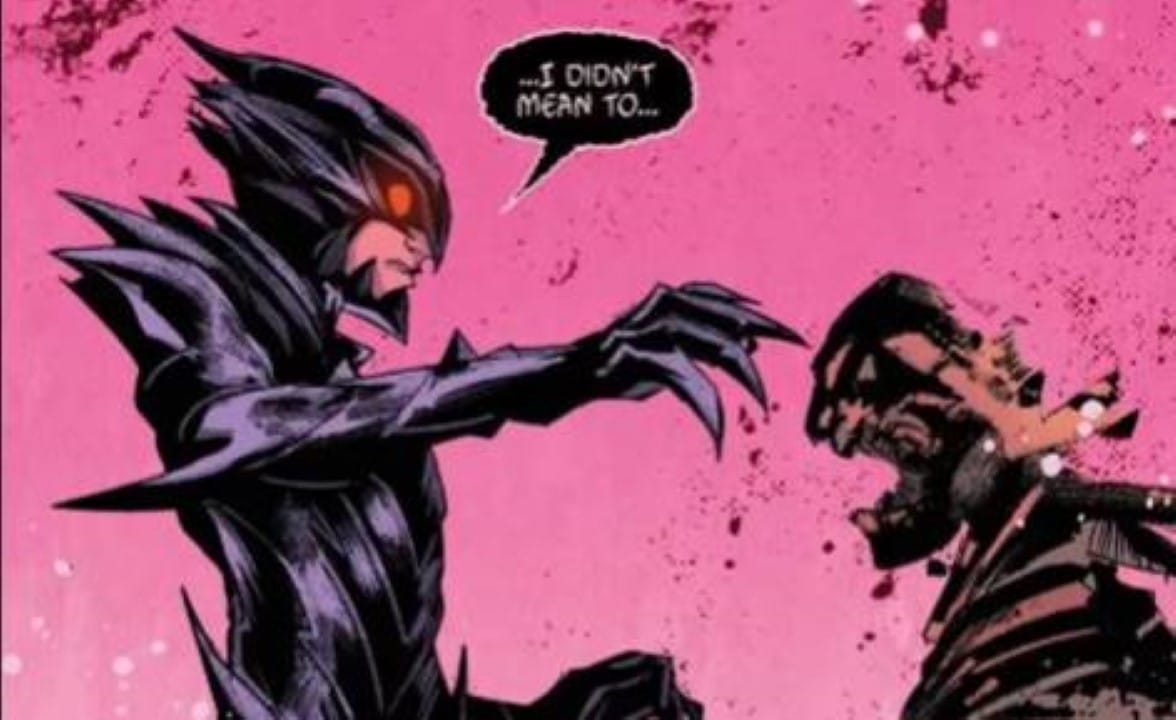
The third and final chapter of the work written by Matt Kindt and illustrated by David Rubin subverts the classic figure of the invincible savior. The narrative works as a direct parody of the biggest comic book icons in the world. The plot follows the routine of an exhausted vigilante. Sleep deprivation pushes the character into a state of severe psychological fragmentation. Ele starts to stage a parallel reality inside his own mind to escape the pressure. Nesse safe space, the hero assumes the identity of an ordinary man named Carl.
The collision between the two dimensions forces the protagonist to fight for the survival of the people he loves on both existential planes. The story’s antagonist appears as a calculated contrast to the hero’s despair. The evil figure manipulates citizens’ dreams and performs cruel actions just to test cynical theories about humanity. Comic book art separates the real world from illusion through fundamental aesthetic differences. The use of watercolors and loose lines attracts the reader’s eye immediately. Tons yellow tones dominate the dream sequences. Cores lively and intense marks the moments of traditional action. Visual duality enriches the reading experience and facilitates understanding of the dimensional leaps proposed by the script.
The height of the character’s mental chaos gains visual representation through the complete inversion of the color palette. Artists use dark panels to suffocate the page. The technique creates a feeling of purposeful disorientation. The resource brings the public closer to the protagonist’s disturbed psychological state.
Frantic Ação gains space with visual detail
The market also receives a continuation focused on pure adrenaline and graphic impact. The third volume of the series designed by Kato Perez and Franklyn Jonas maintains the speed established in the previous chapters. Patrick Mulholland’s illustration work generates combat sequences that flow seamlessly. The action appears reproduced with almost scientific precision in every frame. The creative team found a rare synergy in executing the project. The result is impressive. The choreography of the fights gains a dynamism that reminds us of great martial arts cinematographic productions.
The colorization applied by Mark Dale increases the intensity of the confrontation scenes. The typography developed by Mica Myers helps build an immersive atmosphere. The title cements its position as a solid choice for readers looking for straightforward entertainment. The publication proves that stories focused on physical combat can contain great technical depth.
Crítica social and psychological horror form new trend
The independent circuit is betting on a work that mixes elements of horror with the toxic behavior of the internet. The plot focuses on a rehabilitation clinic specializing in individuals who have suffered severe virtual cancellation. The protagonist is a famous writer on a digital platform. Ele seeks refuge there after being rejected by an old and controversial publication. Forced isolation serves as the starting point for an unusual and disturbing journey.
The team responsible for the project combined different skills to bring this dark universe to life. The technical details of the publication include specific information about the release.
- The original script is signed by Connor Goldsmith.
- Concept art and drawings are by illustrator Josh Cornillon.
- The edition’s lettering was developed by Ariana Maher.
- Worldwide distribution takes place under the Dark Horse Comics label.
- The material is scheduled to hit shelves on May 27, 2026.
The plot introduces a threat of a physical nature that goes beyond the simple drama about social media culture. The protagonist must face bizarre visions. Criaturas grotesques invade your supposed safe space during the early hours of the morning. The transition between the silent aesthetics of psychological horror and explicit horror takes on extremely strong visual contours throughout the chapters. The irregular layout of the pages helps convey the feeling of mental breakdown. The reading becomes dense. The approach turns the psychological pain of online judgment into literal, unforgiving monsters. The format chosen by the authors demonstrates the versatility of comics to discuss urgent issues in today’s society. The work sets a new standard for horror narratives focused on human behavior in the age of hyperconnection.
