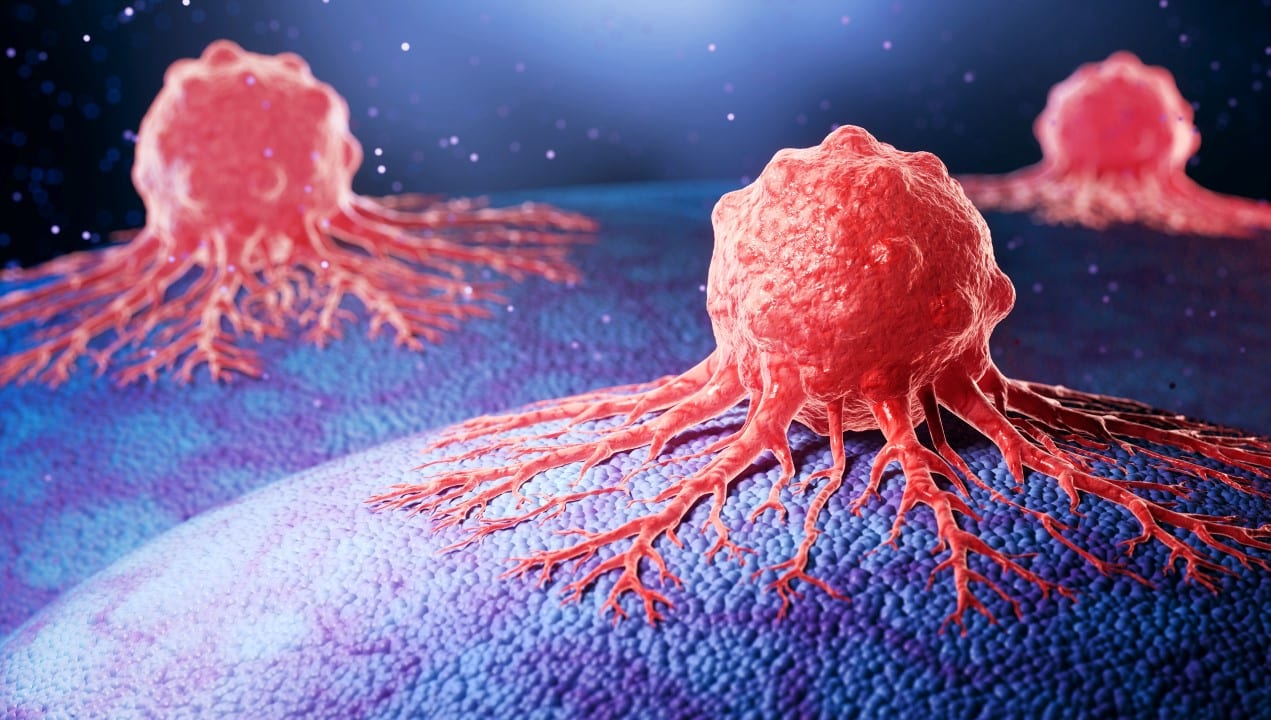
Cientistas Brazilians have achieved a promising breakthrough in cancer treatment, discovering a way to make the immune cells responsible for fighting the disease more potent and targeted. The research, focused on immunotherapy, demonstrated that the addition of specific signaling components increases the ability of these cells to destroy tumors more effectively. The results point to the development of safer and more robust anti-cancer therapies in the near future, representing a significant milestone for medicine.
The innovation comes from the manipulation of *natural killer* (NK) cells, a type of white blood cell crucial in the immune response. The study, conducted on Centro of Terapia Celular (CTC) and Hemocentro of Ribeirão Preto, linked to Universidade of São Paulo (USP), explored novel architectures of chimeric antigen receptors (CARs). Esta line of research seeks to optimize the functionality of NK cells, which have great potential, but still challenges to be overcome in their clinical application.
Engenharia from Células NK to Ataque Aprimorado
The key to improvement lies in engineering CAR receptors that incorporate co-stimulatory components such as 2B4 and DAP12. Esses elements are crucial because they amplify activation signals within NK cells, priming them for a more vigorous immune response. The inclusion of these signaling domains has been shown to leave cells in a “ready to attack” state, giving them a significantly greater ability to eliminate tumor cells in laboratory tests. The findings were published in the prestigious magazine *Frontiers in Immunology*, validating the approach.
Terapias based on CARs have already revolutionized the treatment of several types of cancer, especially those related to blood. Contudo, most of the accumulated knowledge concerns T cells (CAR-T), while the field of NK cells (CAR-NK) is still in the optimization phase. Brazilian research directly contributes to filling this gap, identifying the internal signaling mechanisms that allow NK cells to operate with maximum effectiveness. Isso opens doors to deeper understanding and smarter design of future cell therapies.
Combinação Inovadora: Ativação and Controle Farmacológico
Além of optimizing activation signals, the team of researchers explored a complementary and innovative strategy: the temporary control of cellular activity through a drug. Eles tested dasatinib, a drug known for its ability to briefly suppress cellular activity, to investigate how controlled pauses could impact the ultimate performance of CAR-NK cells. The hypothesis was that a brief “rest” could paradoxically improve later effectiveness.
The results were surprising and promising. The combination of optimized activation signals with reversible pharmacological control has demonstrated the potential to improve both the potency and efficiency of CAR-NK therapies. Isso suggests a path to designing more advanced and controllable cellular treatments in the future, allowing clinicians to tune immune cell activity according to patient response and disease progression.
Principais combined strategies in the study:
- Engenharia of CARs:Inclusão of costimulatory components 2B4 and DAP12 in receptors.
- Activation Aumento:Fortalecimento of intracellular signals to make cells “ready to attack”.
- Pharmacological Controle:Temporary Uso of dasatinib to suppress and refine cellular activity.
- Power Otimização:Melhoria in the ability of cells to destroy tumor cells.
- Efficiency Aumento:Desempenho more effective and targeted in the fight against cancer.
Fortalecimento in Controle of Tumores in Modelos Pré-Clinicos
Experiments in animal models confirmed the potential of the new approach, as highlighted by Assessoria of Imprensa of Hemocentro of Ribeirão Preto. CAR-NK cells modified with 2B4-DAP12 and pretreated with dasatinib demonstrated superior ability to control tumor growth. Este performance was notably better compared to more traditional versions of the cell therapy, which did not include these refinements.
Success in preclinical models is a fundamental step in the process of developing new therapies, as it validates the safety and effectiveness of the technique before its eventual transition to human testing. The demonstration of more robust tumor control reinforces the promise that this approach can lead to superior clinical outcomes and offer new hope to cancer patients.
Colaboração and Apoio Institucional Essenciais to Progresso
The research is the result of robust collaboration and support from leading institutions in the Brazilian scientific scene. Centro of Terapia Celular (CTC), where an essential part of the study was carried out, is one of the Centros of Pesquisa, Inovação and Difusão (CEPIDs) financed by Fundação of Amparo to Pesquisa of Estado of São Paulo (FAPESP). Este support is vital for the development of high-impact research and the training of qualified human resources.
The CTC operates within the structure of Hemocentro of Ribeirão Preto, which is affiliated with Hospital of Clínicas of Faculdade of Medicina of Ribeirão Preto of Universidade of São Paulo (FMRP-USP). Essa integration between research, healthcare and higher education creates a fertile environment for innovation. Interinstitutional collaboration and continuous support from funding agencies, such as FAPESP, are pillars for the consolidation of Brasil as a research hub for advanced therapies, especially in the field of oncology and regenerative medicine.
