

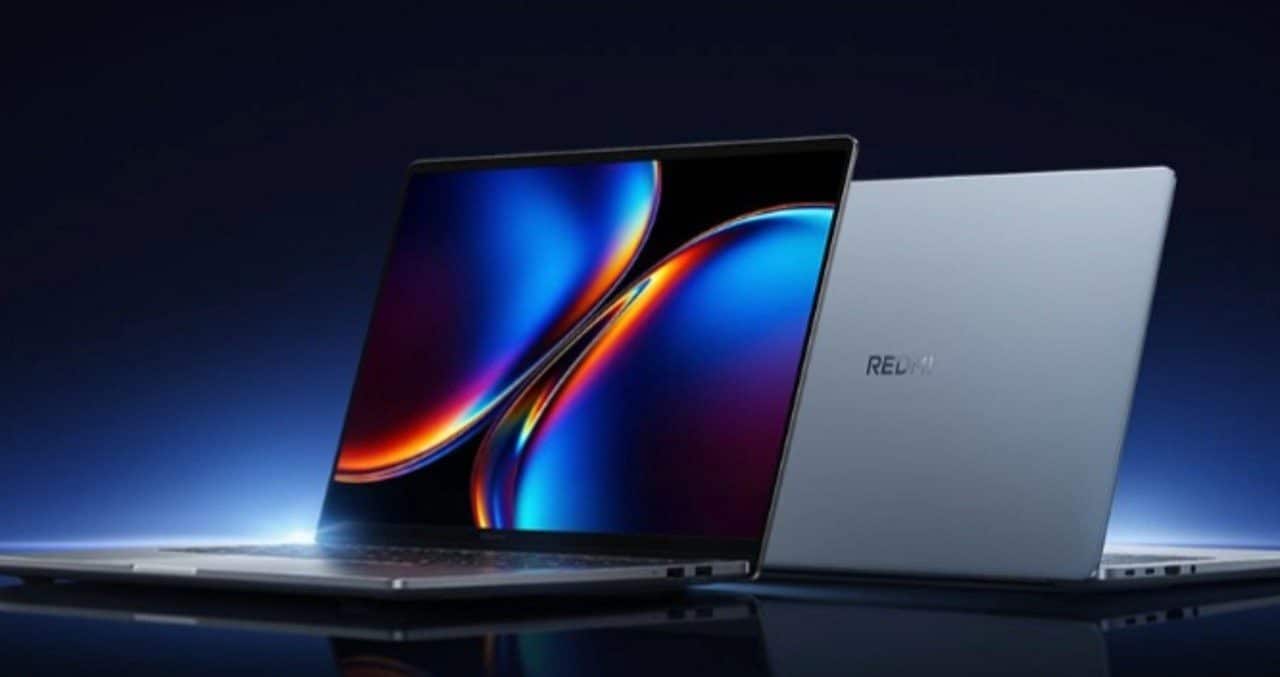
Chinese manufacturer Xiaomi confirmed the development of the Redmi Book Pro 2026, a new generation of notebooks aimed at the high-performance segment. The equipment arrives on the market equipped with the Intel Core Ultra X7 358H processor. The company focuses on users who demand great graphics processing capacity and heavy multitasking on a daily basis. The announcement moves the premium portable computer sector.
The Asian brand’s strategy directly targets competition with the Apple, especially the MacBook Pro M5 models and the future MacBook Neo. The new computer integrates significant advances in energy efficiency and neural processing. Analistas from the technology sector see the move as an aggressive attempt to dominate the share of consumers looking for robust alternatives to the apple ecosystem. The updated hardware promises to redefine category standards in the coming months.
Arquitetura Panther Lake boosts hardware performance
The heart of the new device resides in the Intel Core Ultra X7 358H chip. Este component utilizes the Panther Lake architecture, designed to optimize the relationship between power consumption and raw speed delivery. Intel developed this line to meet the growing demands of three-dimensional modeling and editing software. The processor handles high-resolution video rendering with extreme ease. The integration of performance and efficiency cores allows for superior thermal management during peak usage.
Preliminary Testes indicate that the new architecture drastically reduces internal heating of the aluminum chassis. Isso extends the life of internal components. Xiaomi chose to make the equipment available in two screen versions, with sizes of 14 and 16 inches. The choice aims to serve both professionals who need extreme mobility and those who prefer an expanded work area at their office desk. The panel features high refresh rates to ensure absolute visual fluidity.
Capacidade battery reaches new heights in the category
Autonomy of use away from sockets represents one of the central pillars of the Redmi Book Pro 2026 design. The manufacturer’s engineering managed to allocate high-density power cells without compromising the thin thickness of the laptop. The larger model houses a component close to the legal limit permitted for transport on international commercial flights. The processor’s efficiency works together with the operating system to minimize energy expenditure during simple navigation tasks.
Intelligent power management automatically disables idle cores. Playback of locally stored videos can exceed a full day of continuous use without needing to be recharged. The technical data reveals precise specifications about the device’s power system:
- The 16-inch version has a robust 99 Wh battery.
- The 14-inch model has a 92 Wh component.
- The estimated maximum autonomy reaches 37 hours of offline video playback.
- 90W fast charging comes with the most compact version of the computer.
- The larger model’s charging system uses proprietary high-speed protocols.
The recharge speed allows you to recover hours of use with just a few minutes at the socket. The power adapter adopts the universal USB-C standard. Standardization facilitates compatibility with the user’s other mobile devices, eliminating the need to carry multiple cables in the backpack.
Integração artificial intelligence transforms productivity routine
The Intel Core Ultra X7 processor features an Unidade and Processamento Neural dedicated exclusively to artificial intelligence tasks. Redmi Book Pro 2026 utilizes this hardware capability to automate routine operating system processes. The computer learns the owner’s usage patterns over the weeks. Ele preloads the most used applications even before the mouse click, silently optimizing memory. The result is immediate.
The built-in camera and microphones receive hardware treatment to improve the quality of corporate video calls. The system cancels complex background noise and centers the user’s face on the screen in real time. Image and video editing gains tools that depend on local processing, without the need to send heavy data to cloud servers. The privacy of sensitive information remains protected inside the user’s machine.
Disputa for space against Apple’s ecosystem
The market positioning of the new notebook directly confronts the recent launches of the Cupertino giant. The MacBook Pro equipped with the M5 chip has set a high bar in the global corporate and creative market. Xiaomi structures its response by offering equivalent or superior technical specifications within the Windows environment. Transitioning users between operating systems is often a historic hurdle. The Chinese brand bets on the familiarity of the Microsoft software combined with unquestionably cutting-edge hardware.
The future MacBook Neo also appears on the Asian manufacturer’s radar as a strong rival for the 14-inch model. The dispute goes beyond the simple comparison of technical specification sheets. The industrial design, the quality of metal construction and the precision of the touchpad are elements where Xiaomi invested heavily to level the battlefield. The end consumer gains robust options outside the closed universe of macOS.
Estratégia prices and expected arrival in stores
The exact date of commercial availability of the Redmi Book Pro 2026 is not yet included in the company’s official calendar. The absence of a defined list price generates speculation in the financial market and among technology distributors around the world. Xiaomi’s tradition involves delivering products with lower profit margins than those of its direct competitors in the premium segment. Aggressive cost-benefit is usually the brand’s main weapon to win new customers and expand its installed base.
The tactic of omitting values in the initial publicity phase creates expectations and keeps the product in the spotlight in specialized debates. The retail sector awaits the formal announcement of prices to assess the real impact of the equipment on global sales of portable computers. The device’s arrival on the shelves must occur in a staggered manner. The company prioritizes the Asian market before starting international expansion of the product. The current scenario points to a reconfiguration in the category’s sales leadership.