

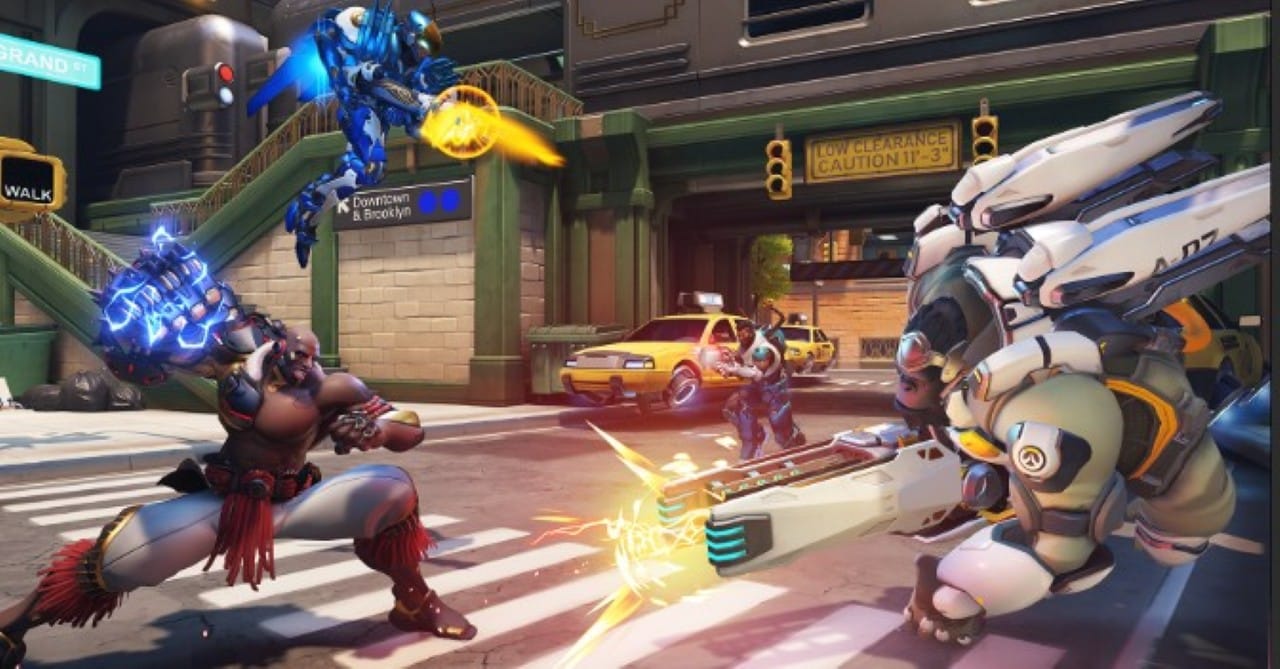
Blizzard Entertainment has confirmed a major structural change to the mechanics of Overwatch 2. The update transfers specific perks directly to select character base kits. The decision directly affects the combat dynamics of the team shooter. The studio chose to roll back the implementation of global passive healing. The change comes into effect from April 14th.
The adjustment responds to community criticism about the loss of identity of functions during matches. Jogadores reported that the self-healing ability reduced dependence on supports. The five-on-five format already required severe adaptations from competitors. The new direction seeks to restore the importance of teamwork. Desenvolvedores intend to raise the level of technical demands for survival in direct confrontations.
Fim’s global passive healing changes survival in matches
The introduction of health regeneration for all classes generated intense debate in the competitive scene. The mechanic allowed damage dealers and tanks to retreat briefly to recover health points without allied intervention. The system lessened the pressure on the team’s healers. Especialistas pointed out a drop in the need for tactical communication. Removing this global benefit forces a return to the franchise’s roots.
Support characters resume their leading role in maintaining the front line. The absence of automatic healing requires a more conservative positioning from attackers. Curandeiros will need to manage their resources with greater precision under enemy fire. The change punishes players who advance without adequate group support. Survival once again depends on the synergy between the different classes available when selecting heroes.
The current format with just one tank per team amplifies the impact of this reversal. The single line of defense takes massive damage in short intervals of time. The reliance on constant healing makes eliminating supports the primary objective for opponents. Equipes professionals have already started adapting their strategies to the new scenario. Protection of healers defines the outcome of clashes at control points.
Ajustes tactics redefine the role of damage dealers
The balance team has applied substantial modifications to classic heroes in the damage category. Pharah has received the most aggressive overhaul in its in-game history. The character lost the ability to fly continuously on maps. The focus of the movement changed to quick horizontal thrusts. The change requires greater precision in rocket launcher fire.
The flying heroine’s new kit changes her viability in different compositions. The character’s historical dependence on Mercy was intentionally broken. The duo known to players dominated the skies and demanded specific responses from defenders. The studio has implemented the following changes to the dynamics of aerial combat:
- Redução of the time spent in the air with limited propellant fuel.
- Aumento of horizontal movement speed to evade enemy projectiles.
- Integração of survival mechanics independent of the presence of allied healers.
Reaper has also undergone adjustments to its close-range combat capabilities. The mercenary relies on passive lifesteal to survive in isolated encounters. The update calibrates regeneration values based on the damage dealt by shotguns. The character’s effectiveness against heavy tanks increases with the accuracy of the shots. Positioning on the flanks requires greater map reading.
2026 Cronograma predicts major cast changes
The annual planning establishes an update calendar focused on modernizing old heroes. The year 2026 holds structural changes for characters that have inconsistent pick rates. Roadhog, Lifeweaver and Sombra top the development team’s priority list. The three heroes have abilities that frustrate both allies and opponents. Blizzard seeks to integrate these kits into the fast pace of today’s matches.
Sombra represents the biggest balancing challenge for game designers. The permanent invisibility ability generates constant friction in the gaming community. Heroin can isolate vulnerable targets without offering adequate reaction time. Upcoming updates should focus on clearer vulnerability windows. The goal involves rewarding direct engagement rather than outright stealth.
Lifeweaver has faced acceptance issues since its official launch. Thai support has repositioning tools that interfere with the agency of teammates themselves. The ability to pull allies into position saves lives, but it also interrupts crucial offensive plays. The developers test alternatives to make the character more proactive. The hero’s base healing also undergoes numerical revisions.
Economia features and map design gain new relevance
The architecture of combat arenas plays a central role in the new game dynamics. Exact knowledge about the location of health packages spread across scenarios becomes a competitive differentiator. Jogadores from the flank route need to memorize escape routes that cross these healing points. The competition for closed spaces intensifies around these limited resources. Control of the map dictates the pace of offensives.
The original design of the maps considered dependence on external healing. The temporary introduction of passive regeneration had diminished the importance of alternative routes. Agora, control of high ground and narrow corridors again punishes disorganized teams. Tanques need to create physical space for supports to reach safe positions. The geometry of the scenario acts as a sixth component in the defense strategy.
Comunidade and competitive landscape react to structural changes
Transparent communication about the changes generated mixed reactions on official forums. Jogadores veterans celebrate the return of dependency between team roles. The need to protect the supports rescues the cooperative essence of the original title. Novatos express concern about the increased difficulty in casual matches. The absence of passive healing immediately punishes positioning errors.
Esports Organizações analyze the impact of changes on official tournaments. Treinadores predict a slowdown in the initial pace of clashes. The recognition phase gains importance before the teams are fully engaged. Controlling healing packs spread across maps is once again a tactical priority. Territorial dominance requires precise coordination between the five members of the group.
The development team monitors performance data in the first few weeks of the update. Ferramentas’s internal analysis evaluates the survival rate of each hero at different skill levels. Pequenos numerical adjustments often occur after major system redesigns. Perfect balance in a game with dozens of asymmetrical characters remains a moving target. The continuous evolution of mechanics dictates the pace of user base engagement.