NASA evaluates names of astronauts for Artemis IV mission with lunar landing scheduled for 2028

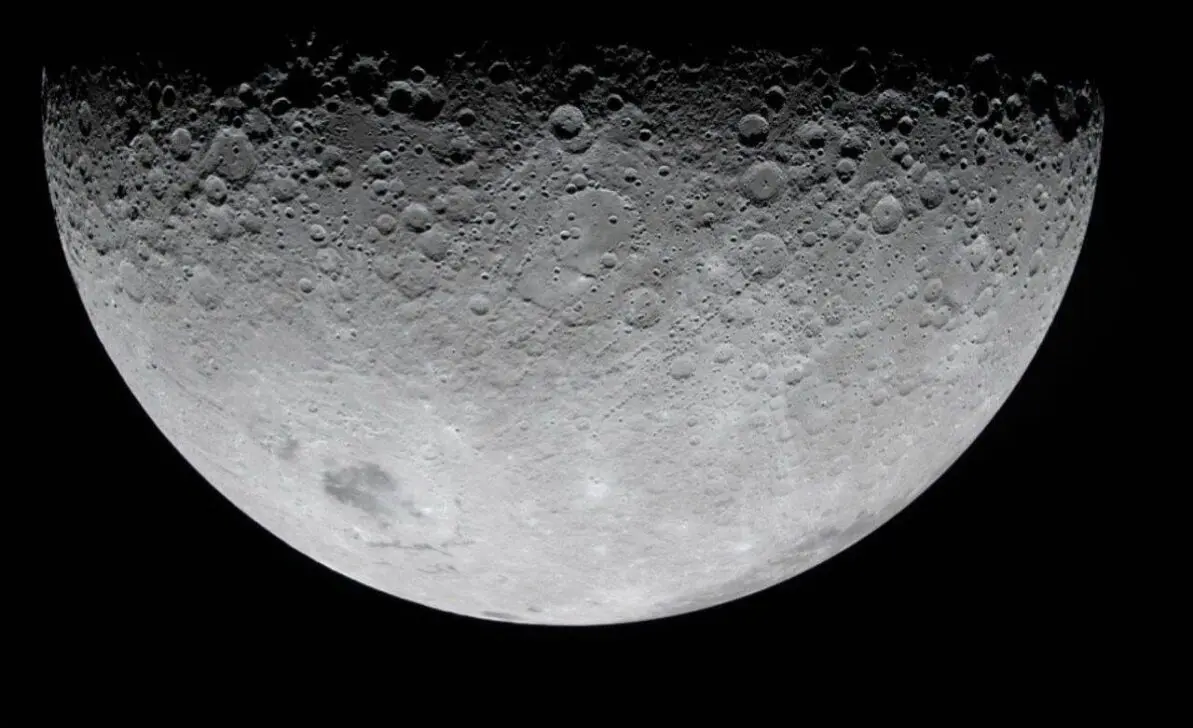
Nasa has started evaluating candidates for the Artemis IV crew. The mission, scheduled for 2028, foresees the first manned landing on the lunar surface since 1972. Dois team members are expected to descend near the lunar south pole and stay for about a week.
Artemis II successfully completed its test flight around Lua in early April. The return of the crew allowed the agency to advance preparations for the next stages of the program. Artemis III, scheduled for 2027, will serve as a low-orbit demonstration of Terra with a focus on rendezvous and docking tests with commercial landers.
Perfis with experience in spacewalks and geology gains attention
Astronautas with hundreds of days in space and extravehicular activities appear in recent analyzes of possible participants. Jessica Meir has spent more than 200 days in orbit and performed three spacewalks. Ela participated in the first all-female extravehicular activity alongside another colleague.
Jessica Watkins, a geologist by training, completed 170 days at Estação Espacial Internacional as the first black woman on a long-term mission. Knowledge in soil and rock analysis could prove useful for operations at the lunar south pole, a region with permanent shadow craters and potential for ice.
Stephanie Wilson, with multiple flights in the space shuttle program, brings a history of stable operations in highly complex missions. Seu profile reinforces the importance of technical maturity and safety in long-duration manned flights.
Andre Douglas acted as backup for Artemis II’s crew. Doutor in systems engineering, he participated in training with the core team. His training highlights the integration between science and practical operations.
- Jessica Meir: more than 200 days in space and three spacewalks
- Jessica Watkins: 170 days on the ISS and experience as a geologist
- Stephanie Wilson: veteran of space shuttle flights
- Andre Douglas: reserve of Artemis II with doctorate in engineering
- Randolph Bresnik: experience in flights and preparation of interplanetary missions
Randolph Bresnik, also known as Randy, has completed previous missions and contributes institutional knowledge to the agency.
Possibilidade of international inclusion in the crew composition
Relatórios mention the chance for astronauts from partner agencies to participate. The presence of Jeremy Hansen, of Canadá, at Artemis II already indicated cooperation between countries. Nomes like Suwa Makoto, from Japão, and Rosemary Coogan, from Reino Unido, emerge in contexts of alignment with existing partnerships.
Nasa has agreements with several nations for the Artemis program. Esses arrangements facilitate the sharing of technology and resources on missions involving lunar orbit and the surface. Ainda therefore, the final composition depends on internal criteria and candidate availability.
Current Cronograma Program Artemis Sets Clear Steps
Artemis III is expected to occur in 2027 with low-orbit testing of Terra. The phase includes verification of rendezvous and docking systems with landers developed by commercial partners. The actual landing on Lua is for the next mission.
Artemis IV is targeted for early 2028. Dois astronauts are expected to perform activities on the surface for approximately seven days. The focus includes scientific exploration and sample collection at the South Pole.
The agency has not released official names for any of the future crews. Seleções occurs closer to launch dates, following medical assessments, training and full simulations.
Fatores that influence the choice of astronauts
Experiência in prolonged microgravity weighs on decisions. Tempo accumulated on the space station helps prepare teams for the challenges of a lunar mission. Habilidades in geology, engineering and vehicle operations also come into play.
The diversity of technical profiles and backgrounds appears in discussions about the program. Nasa considers a balance between veterans and professionals with complementary training.
The lunar south pole presents unique conditions, with limited lighting in some areas and the possibility of resources such as frozen water. Equipes with knowledge in soil analysis and operations in extreme environments can stand out.
Desdobramentos expected after Artemis II returns
The agency’s Equipes reviews data collected during the test flight. Informações on the performance of Orion and life support systems guide adjustments for the following missions.
Treinamentos continue in Centro Espacial Johnson, in Texas. Astronautas participate in landing simulations, moonwalks and emergency procedures. Preparation covers both technical and scientific aspects of exploration.
Nasa plans to maintain a more regular release cadence after initial testing. The goal is to build a sustainable presence at Lua as a step towards future further explorations.
Ficha technical summary of the Artemis IV mission
- Ano expected: 2028
- Tipo: manned landing with stay on the surface
- Duração approximated at Lua: one week for two crew members
- Local: lunar south pole region
- Objetivos Major: Scientific Exploration and Testing of Extended Stay Systems
The agency updates schedules as testing progresses and vehicle availability. Mudanças may occur until the final definition of the crews.