The global electronics and digital entertainment industry faces a new major logistical and financial hurdle. The cost of NAND memory components has seen a significant and continuous increase over the past few months. The scenario directly affects hardware production and hits the global video game market hard. The shortage of essential parts creates a domino effect that affects everything from assembly in factories to the product’s arrival on retail shelves.
The abrupt change occurs due to the massive demand for servers aimed at processing artificial intelligence. The corporate sector has absorbed a large part of the production capacity of the main semiconductor factories around the world. With the lack of available storage chips, large technology companies are reviewing their operational plans to avoid greater losses. The end consumer is already feeling the effects of this commercial dispute when it comes to expanding the internal space of their domestic appliances.
Artificial intelligence Avanço puts pressure on factories
The focus of global foundries quickly shifted to serving robust data centers. The manufacture of chips intended for artificial intelligence currently consumes around ninety percent of the production capacity available on the market. The priority given to these components has drastically reduced the supply of basic parts for the consumer electronics segment. Assembly lines operate with limited stocks and increasingly long delivery times.
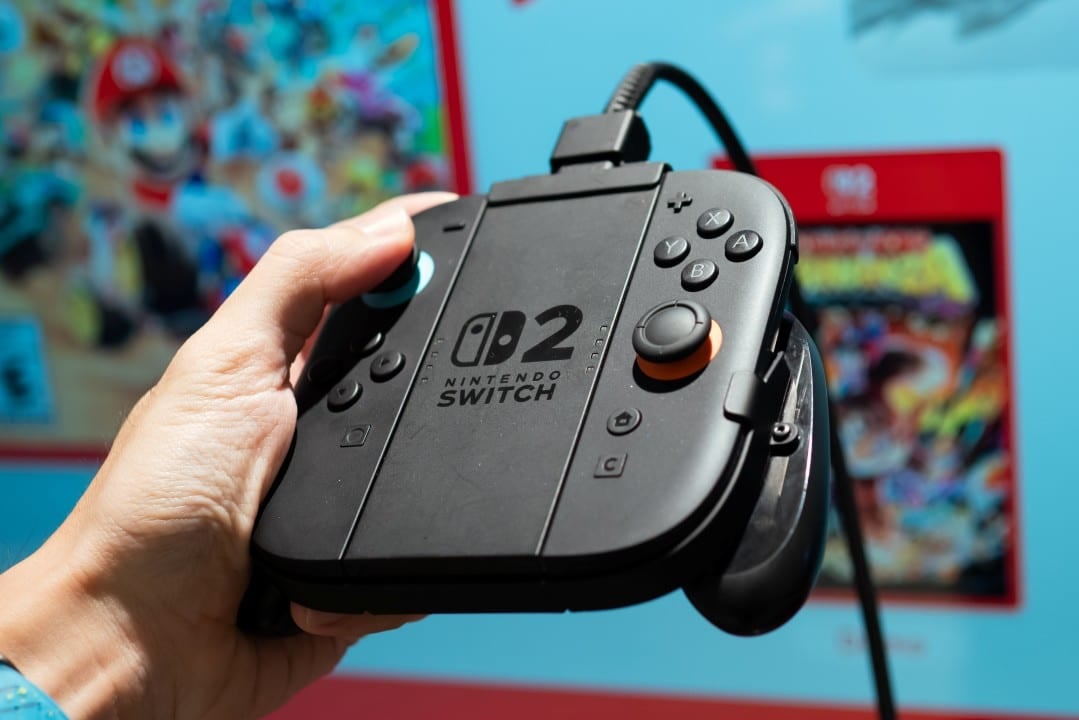
Fabricantes of video games encounter severe difficulties in acquiring essential raw materials for their new systems. Direct competition with the corporate technology sector has driven up prices in a widespread and unprecedented way. A twelve gigabyte RAM memory module, used in the architecture of specific consoles, showed a forty-one percent increase in its manufacturing cost in a short period. Esse jump in values unbalances companies’ financial spreadsheets.
Automakers’ profit margins have decreased considerably in the face of this inflationary scenario. Passing on this additional cost to the final value of the product becomes an extremely delicate issue. Companies avoid increasing the price of devices in physical and virtual stores so as not to alienate potential buyers. The current strategy involves keeping the value of the hardware frozen, but seeking financial compensation in other areas of the gaming ecosystem, such as services and accessories.
Impacto direct to console storage
The file sizes of modern games have grown exponentially in recent years. Big-budget Títulos demands ultra-high-resolution graphics, detailed textures, and complex uncompressed audio. Essa undeniable technical evolution demands extremely fast and efficient storage solutions. The use of high-performance solid-state drives has become mandatory to ensure short loading times and fluid transitions during matches.
Modelos basic new hardware arrives on the market with severe limitations from the factory. Algumas versions only offer two hundred and fifty-six gigabytes of total internal space. The device’s operating system consumes a significant portion of this capacity upon first startup. The user can only install one or two large games before receiving memory full warnings and having to resort to external expansion.
The purchase of an additional component weighs considerably on the average consumer’s pocket. The prices of proprietary expansion cards follow the unbridled rise of the semiconductor market. The situation frustrates players who seek to maintain a diverse and ready-to-use digital library installed on the device. The scenario creates an obvious technological bottleneck that affects the daily user experience and limits the sales potential of new software.
Mudanças in distribution and rising prices
The semiconductor crisis profoundly changes the sales dynamics of specialized retail. Produtoras evaluate the economic viability of maintaining the traditional distribution of physical media. The cost of manufacturing high-capacity disks and memory cartridges has risen considerably, squeezing distributors’ profits. International transport makes the final product that reaches customers’ hands even more expensive.
The global market observes clear trends of forced adaptation on the part of companies and consumers:
- Possibilidade real increase of up to twenty dollars in the final price of physical releases in stores.
- Redução drastic in the frequency of aggressive promotions in digital stores and subscription services.
- Retomada has a strong interest in the used games market as a viable economic alternative.
Desenvolvedores independents face additional technical challenges in this restrictive environment. Smaller Estúdios do not have the financial resources or dedicated teams to optimize the size of their games in an extreme way. Compressing textures and audio files requires advanced software engineering and a lot of development time. Sem these complex optimizations, independent titles compete unfairly for space with large productions on users’ limited consoles.
Reflexos in the financial market and future projections
The financial impact of this crisis is already affecting the main stock exchanges around the world. Analistas from investment banks closely monitors the quarterly earnings of technology and entertainment companies. Recent Relatórios points to serious logistical risks in the global supply chain. The chronic lack of components creates uncertainty about meeting the sales targets established for the coming semesters by the giants in the sector.
Shares of some hardware manufacturers registered sharp and worrying drops. The financial market reacted negatively to the constant delays in production and the evident reduction in operating profit margins. Algumas companies have seen their shares devalue around thirty percent since the beginning of the turmoil in the Asian production chain. Institutional Investidores demand clear and immediate contingency plans from executive boards.
The normalization of global supply depends on massive investments in basic infrastructure. Building new semiconductor factories requires billions of dollars and long years of structural planning. Até Once these new facilities come into full operation, the electronics industry will continue to operate under strict resource allocation rules. The video game market will need to adapt its long-term commercial strategies to survive this prolonged period of scarcity.
