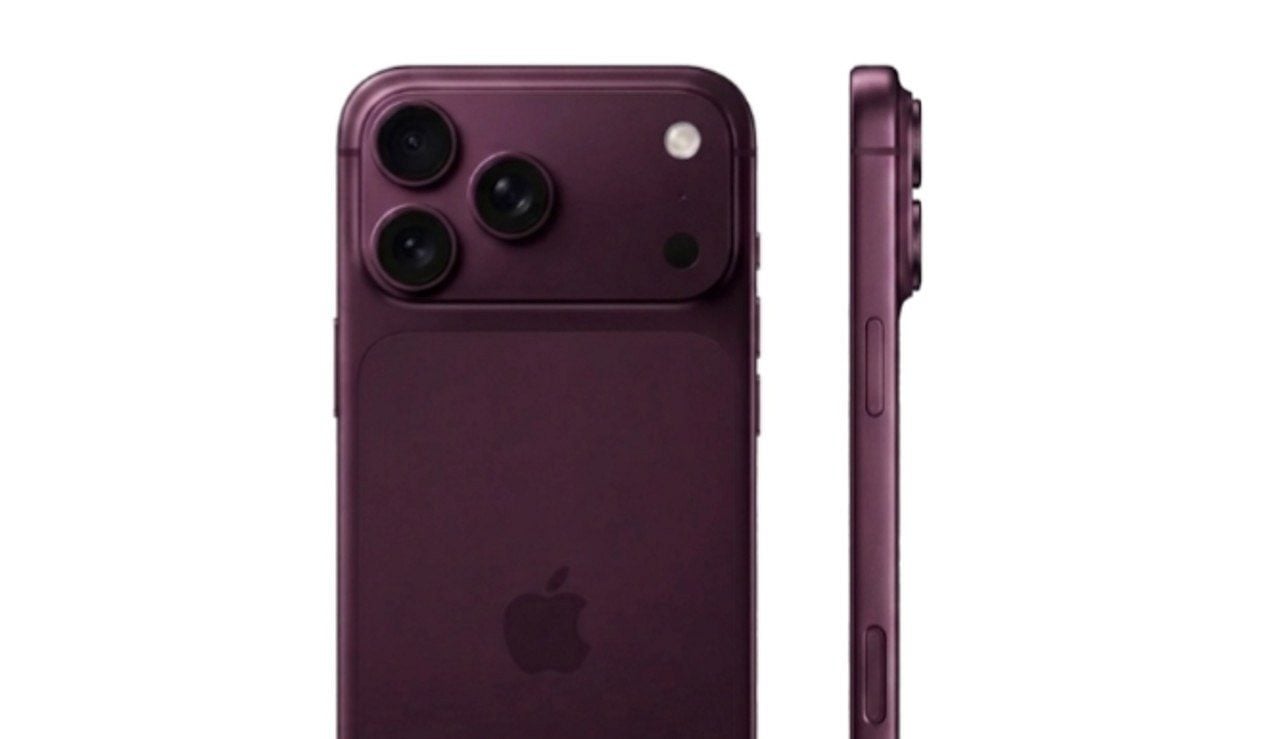
Apple has completed the engineering phase of its next high-end smartphone. The global launch takes place in September. The device introduces a profound aesthetic change to the market with the adoption of a semi-transparent chassis. The manufacturer also integrated internal specifications aimed at extreme performance in complex tasks. The assembly lines are already preparing simultaneous distribution to guarantee availability in several markets.
The project required a complete readjustment of the partner factories located at Ásia. The company seeks to combine a nostalgic look at technology with modern data processing requirements. Fontes linked to the production chain indicate that physical changes solve chronic heating problems. The new format perfectly accommodates the advanced functions of the operating system. The strategy attempts to maintain isolated leadership in the competitive luxury telephone segment.
Estrutura in titanium and restoration of the semi-transparent finish
The most striking visual modification of the equipment is on the rear lid. The company replaced traditional opaque glass with a high-tech translucent material. The decision allows the consumer to observe part of the internal electronic components working. The style directly refers to the colorful computers manufactured at the end of the nineties. The development team created a unique alloy of glass and polymers to ensure resistance against severe impacts.
The phone’s main chassis is forged from aerospace-grade titanium. The alloy guarantees lightness. The manufacturing process requires extremely strict quality control on the production conveyors. Qualquer Minimal internal assembly flaw will be evident through the rear transparent panel. The new format works in conjunction with the thermal dissipation modules.
The adoption of the new material forced the purchase of precision machinery for Asian facilities. The complex design needed to keep international water and dust protection certifications intact. Engineers applied state-of-the-art invisible sealants around all metal joints. The device survives accidental submersion without liquids reaching visually exposed circuits.
Two-nanometer Processador and dual cooling system
The cell phone’s processing core uses an unprecedented two-nanometer lithography. The change is drastic. The extreme miniaturization of transistors increases the speed of performing daily tasks substantially. The component drastically reduces the power consumption of the main board. The chip works in conjunction with twelve gigabytes of random access memory. The capacity guarantees absolute fluidity when opening heavy applications and switching screens.
The hardware architecture divides operations between energy-efficient and brute-force cores. The manufacturer projects a significant leap in performance compared to models sold last year. The device houses a massive 5200 mAh battery to sustain the power consumption. The component represents the largest electrical storage capacity ever installed in an American brand phone.
Increasing the battery required a millimetric reorganization of all internal parts. Prolonged use of ultra-fast processors generates considerable heat spikes. Heating directly affects performance during games with three-dimensional graphics or high-resolution recordings. The company built a dual cooling system to bypass the thermal barrier. The innovative structure combines graphene plates with a large vapor chamber.
Ocultação of front sensors and expansion of the usable screen area
The dimensions of the displays have undergone fine adjustments in this new generation of cell phones. The conventional model measures six inches and three tenths. The larger variant tops out at six inches and nine tenths. The organic panels gained new color calibration and much higher brightness peaks. Reading texts in direct sunlight is clearer and more comfortable for the eyes.
The front change most awaited by consumers involves the repositioning of the selfie camera. The company moved the biometric sensors permanently below the main display. Engineering used a semi-transparent pixel matrix to hide the capture lens. The space previously occupied by the dark cutout now displays operating system notification icons. Video viewing gains total immersion without visual interruptions on the screen.
Dashboard changes resolve long-standing design and usability limitations. The project focused on making maximum use of the glass surface available on the front. The screen’s visual innovations encompass the following technical aspects:
- Instalação of the infrared dot projector under the main pixel layer of the device.
- Redução drastic reduction of side edges through advanced panel microwelding techniques.
- Front Câmera completely unnoticeable when browsing websites and playing videos.
- Facial recognition Sistema optimized to work quickly in environments without any lighting.
The interference zone at the top decreased by about thirty-five percent. The gain in usable area completely changes the daily media consumption experience. Technological advancement required years of exhaustive testing with specific optical materials. The light needs to pass through the screen cleanly without causing distortions in the photographs captured by the built-in lens.
Fim Chip Tray and Satellite Network Expansion
The device’s communication infrastructure consolidates the definitive transition to virtual networks. The manufacturer removed the physical tray for operator chips in all countries of operation. The decision is global. The electronic standard becomes the only connection option. Eliminating the mechanical compartment freed up precious millimeters of internal space in the chassis. The empty area was immediately filled by the new graphene plates and the larger battery.
The absence of side openings blocks the entry of solid and liquid waste more effectively. The overall durability of the equipment increases significantly with this small structural change. The network management software has received updates to speed up profile exchange between different global operators. The satellite communication module also underwent important physical improvements. The antennas integrated into the titanium housing operate with an extended range.
The updated system allows sending short text messages even in remote areas. The user can also make emergency voice calls without any cell tower signal. The function turns the smartphone into essential safety equipment for isolated trips. Mass production demands a complex logistical effort from the supply chain. Factories brought forward the assembly of parts to avoid stock shortages. The use of miniaturized components increases the final manufacturing cost on Asian assembly lines.
