

The transition of large digital entertainment productions to hybrid platforms requires complex software engineering work. The portable console market takes on a new shape with the arrival of major titles originally designed for robust desktop hardware. Essa movement tests the physical limits of compact devices. Desenvolvedores need to rewrite entire codes to accommodate demanding graphics engines on smaller scale chips.
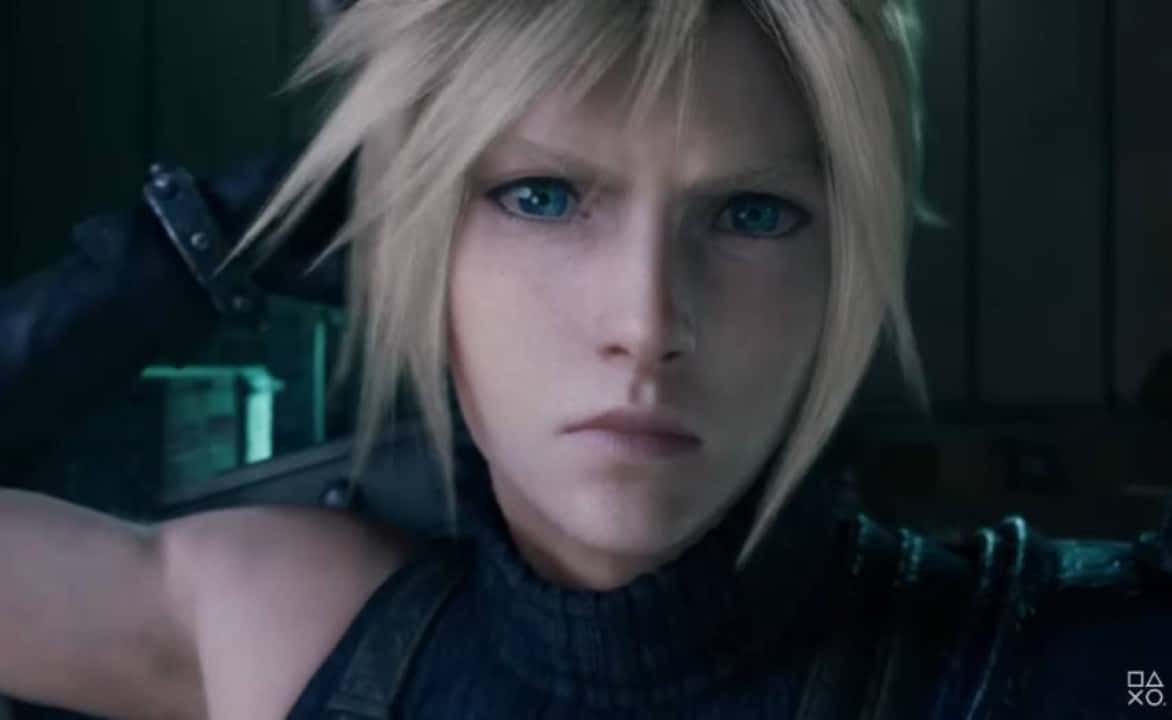
Square Enix has released the full version of Final Fantasy VII Remake Intergrade for Nintendo Switch 2. The release generated immediate technical analyzes that put the device’s performance side by side with the PlayStation 5. The Nintendo console runs the adventure in 1080p resolution with a locked rate of 30 frames per second when connected to the charging base. The Sony hardware prioritizes fluidity with 60 frames per second in performance mode. The adaptation attracts the attention of enthusiasts interested in the evolution of mobile processing.
Arquitetura visual and frame count
The game’s operation on the basis of Nintendo Switch 2 guarantees constant visual delivery during exploration of the city of Midgar. The native resolution reaches the 1080p mark without abrupt drops in image quality. The system maintains 30 frames per second rigidly. Essa stability prevents choking during transitions from open scenarios to closed corridors in the game’s favelas.
The PlayStation 5 operates under a different logic for the same software. The equipment uses a dynamic resolution system that exceeds the 1080p mark in moments of lower graphical stress. The Sony machine focuses on delivering 60 frames per second. The doubled rate provides a faster response to player commands during action sequences.
Optimization choices reflect the nature of each architecture. The desktop console has greater heat dissipation and raw processing capabilities. The hybrid device needs to balance energy consumption with graphical fidelity so as not to overheat the internal components.
Reconstrução Imaging and Global Illumination
The integration of Nvidia’s DLSS technology represents the main technical difference of the port for the Nintendo console. The feature uses artificial intelligence to reconstruct the image from a lower internal resolution. The end result displays sharp contours that disguise the limitations of the portable hardware. The system efficiently reduces aliasing on the edges of objects.
Global illumination undergoes noticeable changes between the two platforms. The Switch 2 presents well-defined shadows indoors thanks to the Nvidia’s reconstruction algorithm. The PlayStation 5 displays more natural light mapping in outdoor areas with strong sunlight. The volumetric fog in the Midgar power reactors gains higher density in the Sony device.
Especialistas in technology point out that the version of Switch 2 technically surpasses the edition released for the PlayStation 4 Pro years ago. The image cleaning provided by DLSS eliminates visual artifacts common in previous generation consoles. Reflections in puddles of water and metal surfaces maintain an acceptable standard of quality.
Comportamento textures and 3D modeling
The treatment of the main characters receives special attention from the Square Enix development team. The three-dimensional models of Cloud and Aerith preserve the geometric complexity seen in desktop consoles. Detalhes’s fine details on clothing, weapons, and hair remain intact during cut scenes rendered in real time. The facial expression of the protagonists does not suffer visible degradation.
The differences become evident in the composition of the background scenes. The PlayStation 5 loads high-resolution textures on walls, rubble and road signs at greater speed. The Nintendo console uses lower quality assets for surfaces away from the camera. Vegetation density in open areas is also reduced in the hybrid platform.
The sudden appearance of objects on the horizon occurs in both entertainment systems. Switch 2’s memory management handles this phenomenon smoothly, without distracting the user while quickly moving through maps. Cascading shadows receive a smoothing filter that improves the transition between light and dark areas in city alleys.
Estabilidade in combat and additional content
The battle system mixes real-time action with command selection from tactical menus. Boss clashes require precision and quick reflexes from the player. The 30 frames per second lock on Switch 2 ensures that response time remains identical from the start of the fight to the end. The PlayStation 5 has an advantage in the fluidity of attack and dodge animations.
The software package includes the episode focused on the character Yuffie Kisaragi. The expansion brings new duo combat mechanics and exclusive scenarios in the corporate sector of the megacorporation Shinra. The content runs with the same technical parameters as the main campaign on both machines.
Technical specifications define the user experience in different ways during gameplay:
- The Nintendo console locks the refresh rate at 30 frames per second to ensure consistency.
- Sony’s machine reaches 60 frames per second in action-focused performance mode.
- DLSS technology works exclusively on the hybrid device to improve image clarity.
- Loading distant textures has greater fidelity and speed on PlayStation 5.
Executing spells and summoning giant creatures fills the screen with particle effects. Portable hardware simplifies the density of these sparks and explosions to avoid unwanted crashes. The readability of the action remains clear even in moments of greatest visual chaos on screen.
Adaptação technique for portable mode
Disconnecting the Switch 2 from the base changes the consumption profile of the main processor. The system automatically reduces native resolution to preserve battery power and control chassis temperature. The frame rate maintains the target of 30 updates per second with the aid of dynamic adjustments to overall graphical quality.
The device’s smaller screen compresses the pixels and hides part of the visual reductions applied by the software. Reading texts and life indicators in the user interface are resized appropriately for the compact format. Players can follow the narrative and manage equipment without straining their vision during gaming sessions on the go.
The action RPG conversion demonstrates the feasibility of porting high-budget projects to Nintendo’s new architecture. The choice between platforms comes down to consumer preference for maximum performance on television or the flexibility to play in any environment. The title consolidates the presence of traditional franchises in the current portable ecosystem.