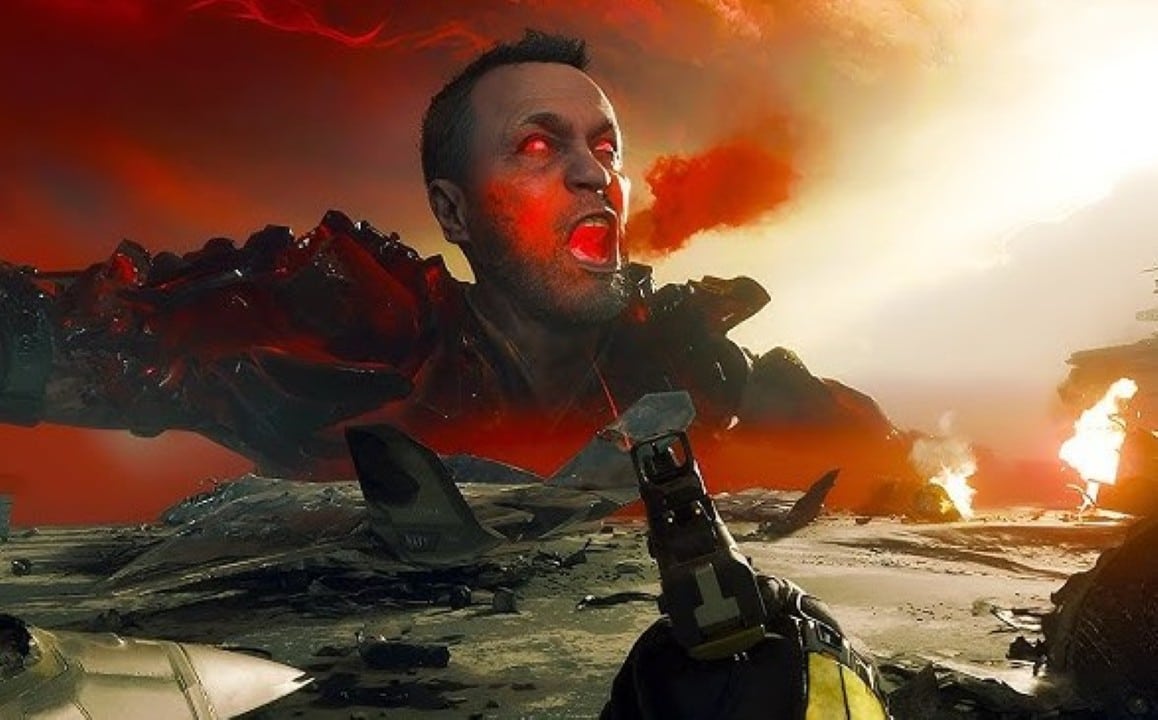
Microsoft has announced significant changes to Xbox Game Pass, altering the strategy for its global subscription service. The main highlight is the removal of new titles from the popular Call of Duty franchise from launch on “One Day”, a promise that guided the acquisition of Activision Blizzard. The company also revealed an unexpected reduction in monthly subscription prices, seeking to rebalance its business model.
Esta’s decision represents a substantial retreat from the previously established strategy, which aimed to deliver the industry’s biggest blockbuster immediately to subscribers. The adjustment seeks to balance the financial sustainability of the gaming division after the monumental US$69 billion acquisition. The initiative aims to curb subscriber evasion, optimize revenue and redefine the perceived value of the service for consumers.
*cracks knuckles* let’s get to work pic.twitter.com/tea5oGqQup
— Xbox Game Pass (@XboxGamePass) April 21, 2026
Fim of Call of Duty Promise at Launch
One of the biggest expectations generated by the purchase of Activision Blizzard was the integration of the Call of Duty games into Xbox Game Pass from the first day of launch. Essa promise, seen as a definitive asset to the Xbox ecosystem, has been officially scrapped. From 2026 onwards, the new titles in the saga will not be available simultaneously on the Xbox Game Pass Ultimate or Game Pass PC.
Subscribers who depend on the service to access games will have to wait around a year. It is expected that the titles will only be added to the library during the Christmas season following their initial release. Durante years, Xbox based its marketing on the unparalleled value of “One Day”, encouraging its player base not to purchase games individually. The decision to abandon direct sales for a giant that moves millions of units at full price has proven to be financially unsustainable. Activision Blizzard’s invoice needs to be paid, and Microsoft realized that Game Pass’s monthly revenues would not be enough to cover the costs. The traditional software sales model has imposed its strength, demonstrating the economic complexity behind subscription services.
Redução pricing for the Game Pass
Para softened the impact of the news about the delay of Call of Duty, Microsoft surprised the market with a rare official price drop. Game Pass Ultimate, which previously cost 26.99 euros per month, will increase to 20.99 euros. Já or Game Pass PC will have their value reduced from 16.49 euros to 12.99 euros.
In a scenario where companies like Netflix, Spotify and even PlayStation Plus have accustomed consumers to annual increases, this price cut is a clear symptom of market adjustment. The Xbox seems to have reached a point of tolerance among consumers in relation to the values practiced. Recentes Game Pass price increases have already started to drive away subscribers, forcing the company to act. By reducing values, Microsoft tries to stop the flow of users. Esta measure tacitly admits that the service was becoming elitist. The company seeks to win back the audience it aims to reach, reinforcing the importance of accessibility in its business model.
The restructuring of Microsoft Gaming’s strategy
The April 2026 update is another chapter in the profound restructuring of Microsoft Gaming, a division that operates in “open heart surgery” mode. Liderada by Asha Sharma, the company has made bold and sometimes controversial decisions. The changes include not only the reduction in the presence of Call of Duty in Game Pass on launch day, but also the strategy of making major Xbox exclusives available on competing consoles, such as PlayStation and Switch.
Estas actions demonstrate a strategic crossroads for Xbox. The company seeks huge profits from sales of *third-party* games, such as the new Call of Duty, which will be sold for 80 euros on all platforms on day one. At the same time, it is urgently trying to stop the loss of users of its star service, Game Pass, through price cuts and adaptations to the offer. The objective is to create a more flexible and profitable ecosystem.
- Lançamento from Xbox exclusives on competing platforms.
- Atraso on the arrival of Call of Duty to Game Pass on Day One.
- Redução pricing for Game Pass monthly subscriptions.
- Cloud service Expansão and integration with mobile devices.
- Foco in titles from own studios to reinforce the service’s library.
Implicações finances and the search for sustainability
The decision to remove Call of Duty from immediate release on Game Pass, while unpopular with some fans, is a financially logical move for Microsoft. The cost of maintaining a title of such magnitude and with guaranteed sales on the subscription service, without full revenue from direct sales, proved to be unsustainable. The acquisition of Activision Blizzard, one of the largest in the history of the industry, requires a return on investment that cannot be achieved with Game Pass revenues alone.
Selling the new Call of Duty at full price across all platforms, including Xbox, PlayStation and PC, will ensure crucial cash flow for the company. Este hybrid model, which combines direct sales of *blockbusters* with a robust library of games in Game Pass, seems to be the path found by Microsoft to ensure the long-term sustainability of the Xbox brand. By balancing revenues between the two fronts, the company protects sales of its biggest game. Isso allows us, at the same time, to offer a more affordable subscription service for those who prefer to play a variety of titles without purchasing each one individually.
The voice of the community and the future of Xbox
The gaming community reacted with a mix of disappointment and understanding to Microsoft’s new policies. Muitos staunch fans of Call of Duty, who purchased an Xbox console and subscribed to Game Pass with the promise of immediate access to new games, expressed frustration. Para them, the update sounds like an unfulfilled promise, changing the core value that led them to the platform.
On the other hand, some consumers see the price reduction as a positive point, indicating that the Game Pass becomes more accessible to a wider audience. The discussion now focuses on how the balance between value and cost will be perceived in the long term. Microsoft faces the challenge of communicating the benefits of the new model, emphasizing that the service, although without the Call of Duty in Day One, offers a wide range of games at a lower monthly cost. The future of Xbox will depend on the company’s ability to keep its user base engaged.
