The catalog of streaming platforms often rescues old productions and transforms them into sudden audience successes. Filmes action with great stars from the past usually attract audiences looking for quick and direct entertainment. Nostalgia operates as a powerful engine to drive daily viewing in different regions of the world.
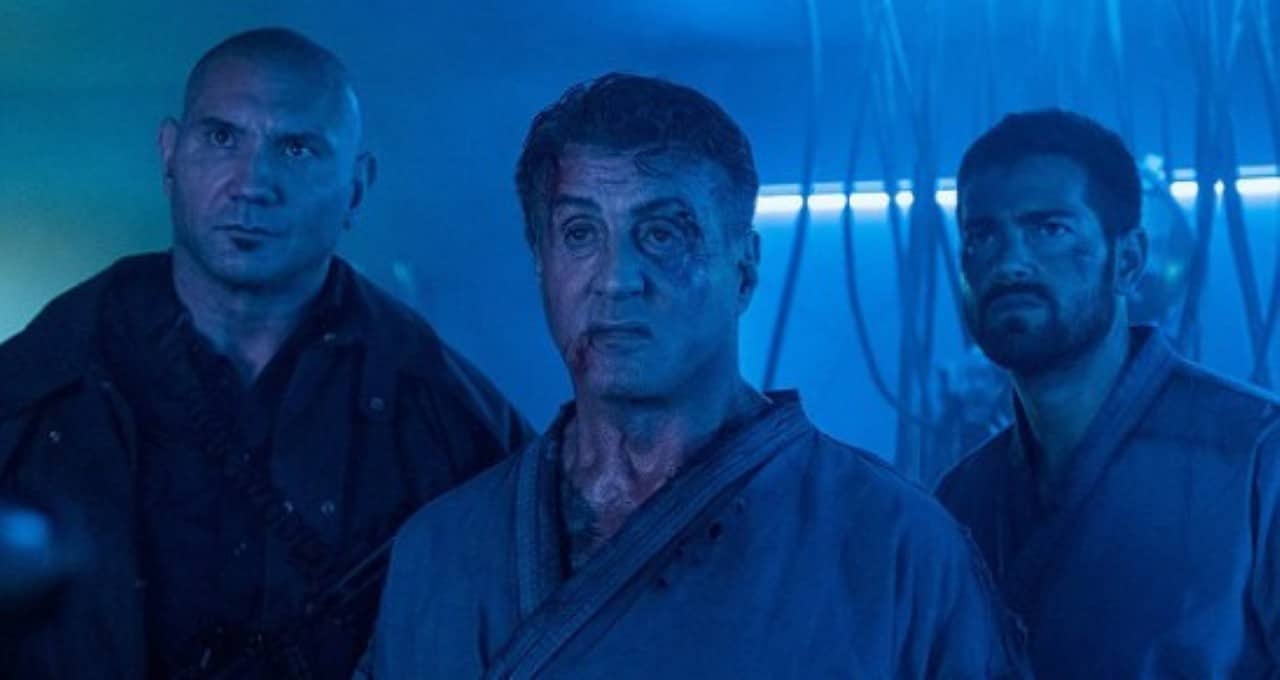
The feature film “Rota de Fuga 2”, originally released in 2018, recently took the top positions among Netflix’s most watched content on Brasil. The production brings Sylvester Stallone back to the role of Ray Breslin, an expert in escaping from maximum security prisons. The project, however, faces harsh criticism for the quality of the script and the technical execution of the combat scenes, frustrating some viewers who expected the same impact as the original film.
Maximum Security Prisão Fails to Transmit Real Voltage
The main plot unfolds years after the events of the first film in the franchise. One of the members of the security team managed by the protagonist ends up kidnapped during a mission. The agent is taken to a secret, illegal facility known as Hades. The place promises to be an insurmountable technological fortress, operated by artificial intelligence and relentless guards. The premise attempts to replicate the success formula of the original work, pitting experts on the run against a perfect system.
The environment of the new prison has a generic design that does not convince the viewer. The modern facility features moving walls, excessive neon lights, and constant surveillance systems, but lacks a striking visual identity. The setting resembles a common industrial warehouse decorated with basic science fiction elements. The feeling of imminent danger and the urgency of escape disappear amid repetitive corridors and personalityless cells.
The body combat sequences inside the penitentiary suffer from a lack of elaborate choreography. Physical confrontations go on for long minutes without demonstrating a clear fighting style or credible survival tactics. The mental strategy, which was the main character’s strong point in the past, gives way to noisy fights and confusing chases. The prisoners’ intellect is rarely intelligently tested by the script.
Protagonista loses screen time and only acts as a mentor
Sylvester Stallone takes a distinctly different stance in this sequel. Ray Breslin predominantly acts as a mentor to the younger members of his private security company. The character spends much of the narrative observing events through computer monitors or coordinating actions remotely. Essa creative choice drastically reduces the weight that the actor carried in the previous feature.
The absence of Arnold Schwarzenegger, co-protagonist of the first success, required a reformulation of the cast’s dynamics. The production tried to fill this gap by introducing new names to share the dramatic load and the action sequences. The chemistry between the novice actors does not support the narrative with the same magnetic force as the veterans. Stallone himself has publicly admitted in previous years that his creative participation in the project was quite limited.
- The main star’s reduced screen time frustrates the expectations of the captive audience.
- The transition from action hero to corporate father figure comes abruptly.
- The dialogues delivered to the protagonist are limited to technical security jargon and short orders.
- The construction of the mystery about the location of the prison progresses slowly.
The structure of the script fragments the viewer’s attention between multiple groups of characters spread across different scenarios. Essa division weakens the individual development of each member of the rescue team. The attempt to create a new generation of escape experts comes up against the superficiality of the motivations presented on screen. The contrast between the veteran’s experience and the newcomers’ impulsiveness sounds artificial.
Dave Bautista suffers from limitations on participation in the plot
The casting of Dave Bautista in the role of Trent DeRosa represented the studio’s main bet to maintain the cast’s level of physical strength. The former fighter’s athleticism perfectly fits the demands of the explosive action genre. The few scenes in which he shares the screen with the protagonist demonstrate wasted potential for the formation of a charismatic duo. The actor’s natural charisma is contained in bureaucratic scenes.
The script isolates Bautista’s character for most of the story’s development. The mercenary communicates with the team almost exclusively through phone calls and quick meetings. Sua physical presence in conflict scenarios is restricted to specific moments in the third act of the film. The break in rhythm hinders the construction of the tension necessary for the climax of the rescue operation.
The dynamics are reminiscent of classic action films from the 1980s and 1990s, where brute force resolved final impasses with large-caliber weapons. The central problem lies in the lack of prior construction of this narrative impact. Quando the action finally requires the character’s direct intervention, the audience has already lost the emotional connection with the outcome of the mission. The resolution of conflicts sounds rushed and without dramatic weight.
Escolhas direction and editing hamper combat sequences
Director Steven C. Miller took charge of the project with the proposal to modernize the franchise’s visual language. The technical execution uses excessive use of shaky cameras and extremely fast cuts during fight scenes. Essa filming technique dominates the confrontations and disorients those watching. The geography of the scenarios is completely lost during the exchanges of punches and shots.
The total duration of the work reaches 96 minutes. The relatively short projection time seems to drag on due to the confusing editing and purely expository dialogue. The attempt to generate visual chaos in the editing room to simulate adrenaline ends up producing a tired effect on the viewer. The few moments that revive the spirit of traditional action cinema occur in isolation and without continuity.
The supporting cast includes Chinese actor Huang Xiaoming, who takes on much of the film’s physical burden. Jesse Metcalfe and Jaime King also join the support team in secondary roles. 50 rapper Cent returns for a limited appearance, reprising his role as a systems hacking specialist. Bringing these talents together fails to raise the quality of the material delivered by the photography direction.
Fator nostalgia drives audience on digital platforms
The feature’s significant performance in the Netflix catalog reflects the power of attraction of consolidated brands and faces known to the general public. Muitos subscribers look for unpretentious action productions to fill their free time on the weekends. The film partially meets this demand for direct entertainment, even with obvious structural flaws in its conception. The platform’s algorithm favors titles with eye-catching covers and famous actors.
Expert critics pointed out the sequel’s problems since its original launch on the video-on-demand market. The consensus among evaluators highlights the lack of innovation, the apparent low budget and poor technical execution. The work survives commercially today thanks to the historical weight of its protagonists’ names and the ease of access provided by streaming. Rapid consumption masks production defects.
The existence of this sequence highlights the commercial strength of intellectual properties in the contemporary audiovisual market. The film attracts curious and dedicated fans of the genre, generating significant global viewing figures. A experiência final consolida a percepção de que apenas reunir grandes astros em um pôster não garante a qualidade narrativa de uma produção cinematográfica. The legacy of the franchise is kept alive more by the memory of the first film than by the merits of this sequel.
