
The Japanese video game giant is preparing an aggressive commercial maneuver for the arrival of its next hybrid console on the market. The central strategy involves marketing a launch package at a reduced price. The set will include a remastered version of a classic title from the Mario franchise. Analistas from the technology sector point out that the tactic aims to accelerate consumers’ transition to the new platform.
The financial tactic offers a $20 discount to buyers of the complete package. Value represents a strong psychological trigger. The company seeks to establish a gigantic user base within the first few weeks of sales, ensuring quick dominance. The move contrasts with the high-cost hardware approaches adopted by other digital entertainment corporations.
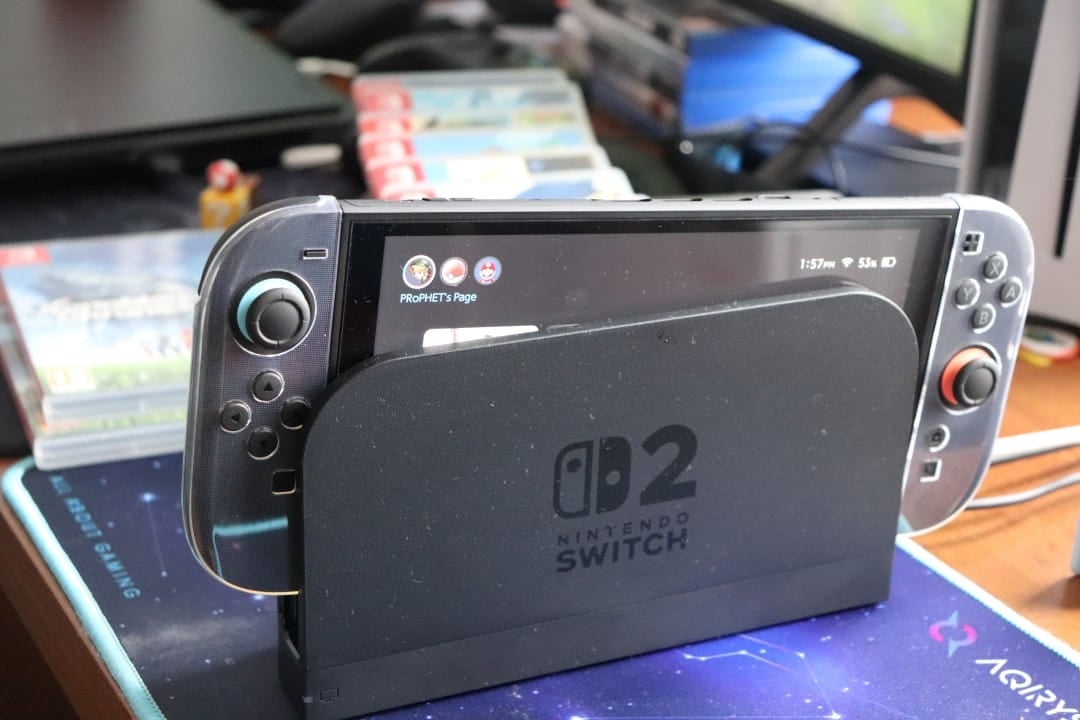
Priced Estratégia Seeks Mass Adoption at Launch
The pricing of the new equipment reflects a careful reading of the global economic scenario. Traditional desktop Consoles easily surpass the five hundred dollar mark. The Quioto manufacturer prefers to focus on financial accessibility. A lower entry fee reduces the barrier for new adopters. The decision attracts both longtime fans and newcomers to the world of electronic games.
The discount applied to the initial package sacrifices a small portion of the immediate profit from the hardware. Compensation occurs through ongoing sales of software and digital subscriptions. The business model focuses on long-term customer retention. Jogadores who acquire the system early tend to consume more digital products over the years.
The transition between console generations always represents a risky moment for manufacturers. The success of the previous equipment does not guarantee automatic adherence to the new system. Offering an established game in the starter pack acts as a commercial safety net. The familiarity of the Mario brand acts as the main driver of sales on physical and virtual shelves.
Space adventure Resgate guarantees profit margin
The title chosen to accompany the launch refers to one of the most acclaimed space adventures of the Nintendo Wii era. Remastering an existing game has significantly lower development costs. The programming team only needs to update textures, adapt controls and optimize the code for the new architecture. The lean budget results in a significant profit margin for the developer.
Choosing a classic also meets a nostalgic demand from a generation of adults who grew up with the brand. Esses consumers now have their own purchasing power. Eles represent the ideal target audience for retail impulse purchases. The game’s graphical update promises to attract even those who have already finished the original adventure in the past.
The technical specifications of the new device support the modernization of classic games and the arrival of new productions. Vazamentos from the Asian supply chain indicates notable advances in hardware construction.
- The system uses a custom Nvidia processor with support for image resizing technologies.
- The main screen in handheld mode is eight inches with a high-resolution LCD panel.
- Internal storage gets a significant bump to 512 gigabytes of free space.
- The architecture guarantees full backward compatibility with the physical and digital library of the previous generation.
Confirming backwards compatibility alleviates one of the gaming community’s biggest concerns. Colecionadores of physical media will be able to use their old cartridges in the new reader. Usuários with vast digital libraries will maintain access to your profiles and past purchases. Ecosystem continuity strengthens brand loyalty.
Impacto direct to retailers and accessories market
International physical retail awaits the launch of the hardware with great commercial expectations. Lojas depend on these events. The sale of the console itself offers narrow profit margins for retailers, requiring alternative revenue strategies. The real financial gain is concentrated in peripheral products.
The acquisition of a new video game usually accompanies the purchase of protection and usability items. Películas glass for the screen, carrying cases and additional controls top the list of consumers’ priorities. The hybrid design of the device stimulates the sale of accessories aimed at mobility. Outsourced Fabricantes are already preparing complete lines.
Maintaining physical media in the new equipment also guarantees the flow of customers in traditional stores. The trade in cartridge games generates a robust secondary market. The exchange and resale of used titles attracts consumers into establishments. The physical format resists even in the face of the constant advancement of virtual stores integrated into operating systems.
Movimentação intensifies dispute with technology giants
The Japanese manufacturer’s strategy directly affects the planning of its main competitors in the technology market. Sony and Microsoft focus their efforts on producing extremely high-performance machines. Rival equipment seeks to deliver ultra-realistic graphics and extreme resolutions. The race for processing power increases manufacturing costs and the final price on the shelves.
Nintendo follows a design philosophy focused on gameplay innovation over brute force. The approach allows for the creation of cheaper and more energy-efficient hardware. The focus on family entertainment and exclusive franchises creates a niche market isolated from the technical spec war. The company dictates its own pace of launches without depending on rivals’ calendars.
The financial market monitors each stage of the manufacturing and distribution process of the new device. Investidores on Bolsa on Valores on Tóquio analyze the company’s ability to repeat the commercial phenomenon of the last decade. The company’s shares fluctuate based on production reports and forecasts from independent analysts. The volume of units available on the first day of sales will set the tone for global reception.
Global distribution logistics faces the challenge of simultaneously supplying the América, Norte, Europa and Ásia markets. The assembly of devices takes place in concentrated industrial hubs, requiring a complex sea and air transport network. Rigorous logistical planning seeks to avoid the shortage of products that has marked electronics launches in recent years.
