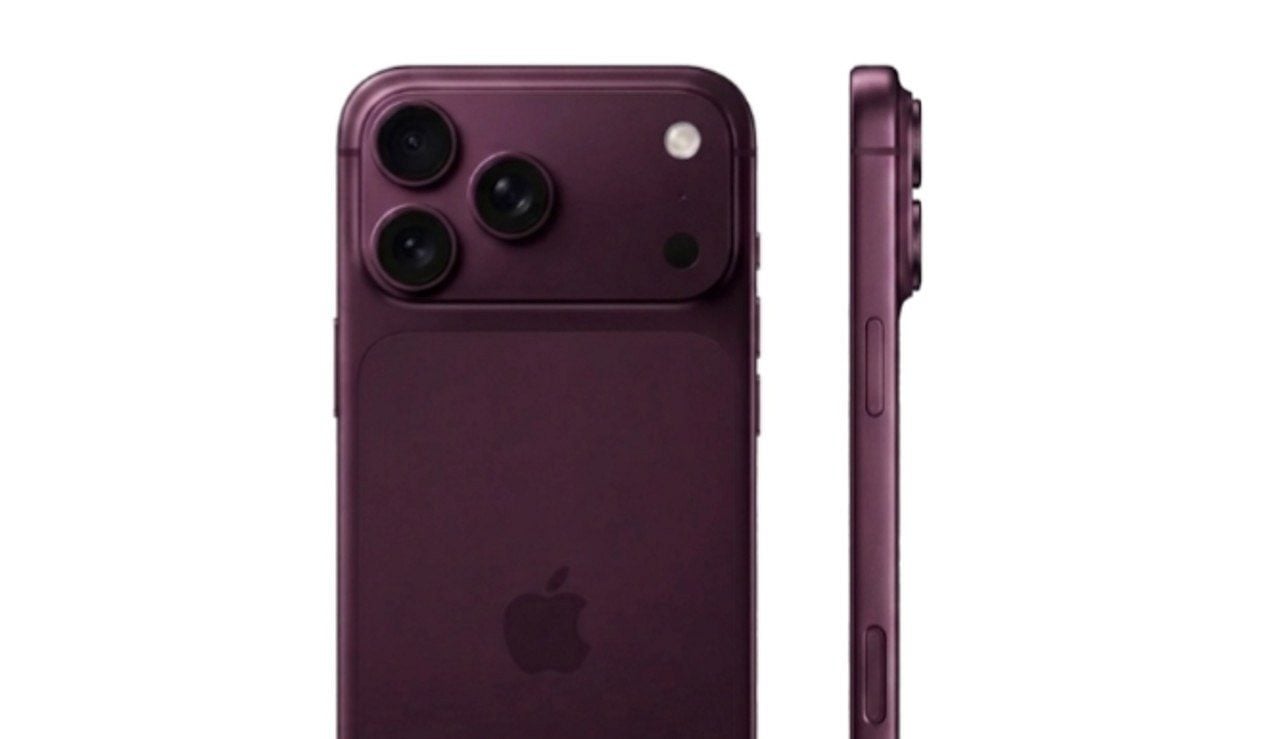
The North American technology giant has revised the development schedule for its upcoming high-performance mobile devices. The decision changes the scenario expected by consumers and sector analysts. The long-awaited photographic sensor with extreme resolution will not be part of the generation scheduled for the year 2026. The manufacturer chose to prioritize physical adjustments to current lenses instead of hastily increasing the gross megapixel count.
Informações from the Asian supply chain reveal a strategic change in device engineering. The immediate focus is on the implementation of an unprecedented mechanical system in the main camera. The change aims to provide greater lighting control to users, while the most advanced capture technology remains in the laboratory for technical refinements.
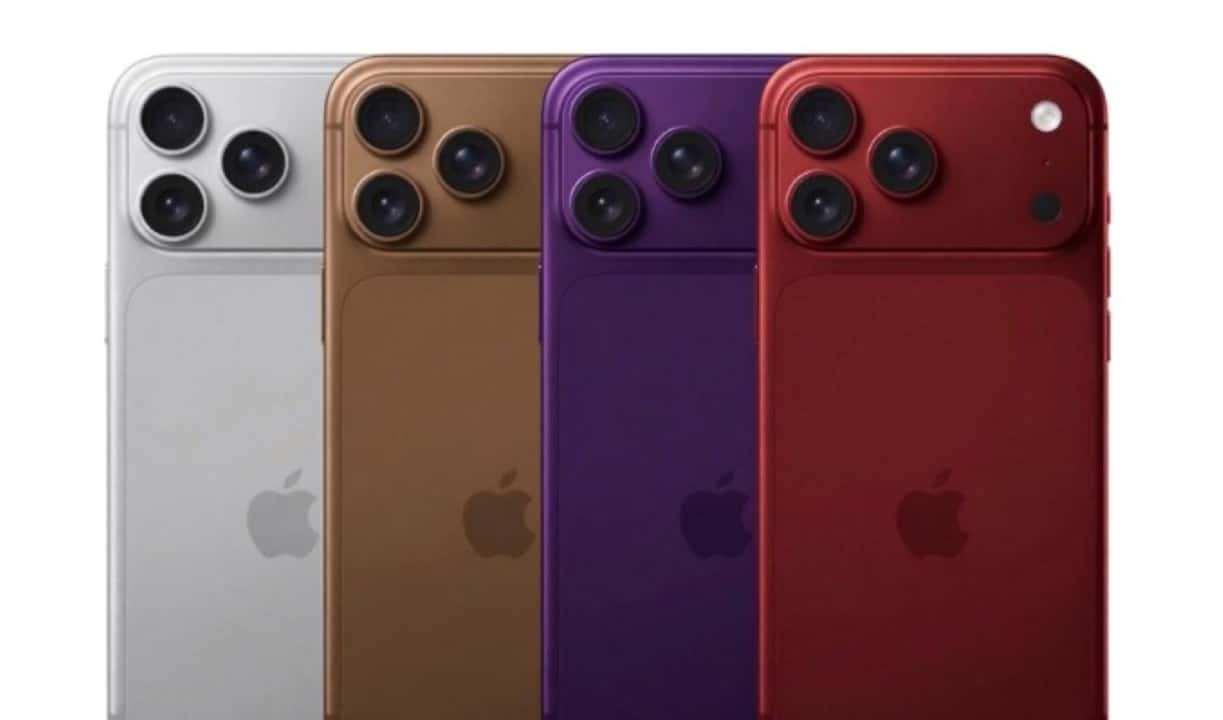
Mechanical Sistema transforms light capture in the 2026 model
The main innovation confirmed for the future launch involves the equipment’s primary lens. The component will maintain the standard resolution established in previous generations, but will receive a variable aperture mechanism. Essa technology physically changes the diameter through which light passes through the optical assembly before reaching the digital sensor.
Mechanical control represents a significant advancement for the brand’s mobile photography. In dark environments, the system expands the light path to record details hidden in the shadows. Durante the day, the contraction of the mechanism prevents overexposure. The result guarantees clearer images in any scenario.
The new feature also directly impacts the production of photographic portraits. Physical adjustment creates authentic background blur, reducing reliance on software algorithms to separate the subject from the scene. Empresas specialized Asian companies have already started manufacturing the parts needed for the project.
- Direct physical Controle on the light exposure of the environment.
- Geração optical depth of field without digital artifacts.
- Manutenção of visual quality in complex nighttime scenarios.
- Integração enhanced with the manufacturer’s exclusive image processor.
Fornecedoras renowned companies in the electronic components sector actively participate in this assembly stage. The partnership with consolidated industries guarantees the necessary volume for the global launch. The product’s arrival in stores is still scheduled for September 2026.
Componente with very high resolution remains in the testing phase
The parallel project involving the capture of two hundred million pixels faces technical obstacles. The development focuses on applying this density to a periscope-type telephoto lens. The dimensions designed for the part considerably exceed the size of the sensors used in devices currently sold.
The expanded component area has a clear technical purpose in photographic engineering. The extra space serves to mitigate visual noise generated by excessive clustering of pixels on a constrained surface. The ultimate goal is to deliver high-fidelity optical zoom outdoor photography with absolute clarity.
Apesar’s potential, the internal schedule has undergone substantial changes. Recent financial Relatórios indicates that the material is still undergoing preliminary feasibility assessments. Não there are complete functional prototypes operating outside the company’s research and development laboratories.
The dispute over the supply of this specific part moves the Asian semiconductor market. Conglomerados from South Korea and Japan present technical proposals to meet the rigorous quality standards required by the North American brand. The final decision on the commercial partnership still depends on the results of these initial assessments.
Disputa fierce against rivals in the mobile ecosystem
The strategy adopted by the company contrasts sharply with global market trends. Direct Concorrentes that use open operating systems have already made extreme resolutions available since 2023. Premium Modelos from Asian brands use this specification as the main sales argument in advertising campaigns.
The Californian manufacturer, however, prefers to refine optical quality before adopting superlative numbers. The market demands caution. The design philosophy prioritizes dynamic range and color accuracy over raw resolution. A sensor that is too dense without proper processing can result in heavy files and grainy images. The company avoids compromising the end user experience.
The postponement pushes the technology’s debut to a distant horizon. Analistas from the financial sector projects that the feature will only reach consumers in 2028. Essa data suggests implementation in a future product line, possibly named with a number far ahead of the current one.
The extra time allows the integration between the new hardware and the company’s processing algorithms to mature. The perfect synchronization between the physical lens and the central processor defines the visual identity of the photographs. Development requires extensive testing in different weather and lighting conditions.
Configuração expected for next update cycle
The rear photographic set of the device scheduled for 2026 will maintain the classic structure of three independent lenses. The main camera and zoom lens will preserve the current megapixel count. The great transformation lies in the mechanical versatility of the primary module, which promises to redefine light capture.
The technology market is closely watching the transition from professional features to pocket-sized devices. The variable aperture, common in dedicated photography equipment, raises the bar for amateur content production. The user gains real physical tools to express their visual creativity in everyday life.
Outras incremental improvements accompany the device update package. Informações behind-the-scenes footage points to the improvement of the optical stabilization system in the ultra-wide-angle lens. The change ensures smoother videos and shake-free still images in fast-moving situations or sports.
The sum of these small evolutions builds a robust equipment for the demanding consumer. The absence of an extreme resolution sensor does not diminish the impact of the mechanical innovations proposed by engineering. The focus remains on delivering consistent, fast and visually pleasing results in any daily use situation.
