

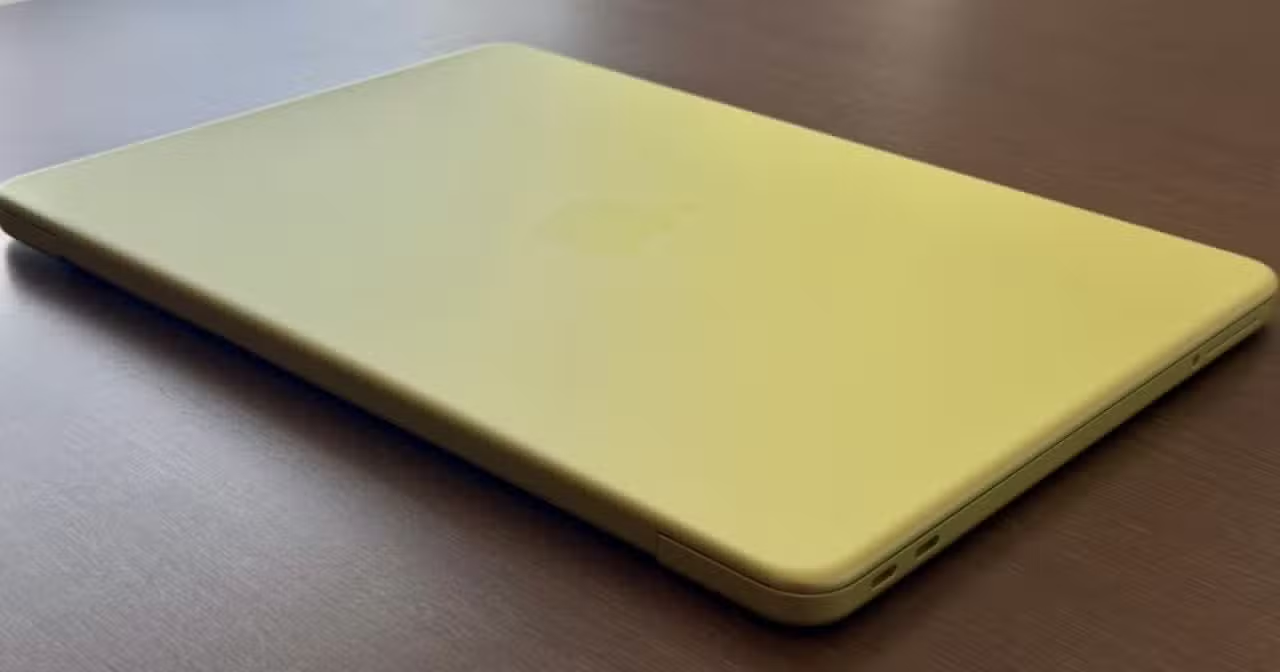
The introduction of the MacBook Neo and the preparation for the launch of the first smartphone with a flexible screen reconfigure the Apple portfolio in 2026. The devices feature features that invade the territory traditionally dominated by the brand’s tablets. The overlapping of functions generates a new commercial dynamic. Dispositivos that previously served very specific needs now share internal components and navigation interfaces. The consumer finds options that solve multiple problems in a single machine.
The manufacturer’s move changes the perception of value of intermediate equipment. Analistas observe that the dividing line between desktop computers, phones and digital clipboards is getting thinner. The computer operating system receives adaptations for touch commands. Simultaneamente, the tablets feature extremely high-performance processors and support for advanced peripherals. Essa technological convergence raises questions about the relevance of keeping so many separate categories on store shelves.

Notebook entry changes educational landscape
The company made a portable computer available on the market in March 2026 aimed at young people and students. The equipment hits stores with a starting price of US$599 for the average consumer. Instituições teaching and enrolled students pay $499 for the same model. The aggressive value puts the device on a direct collision course with the manufacturer’s own mid-range tablets. Muitos customers consider purchasing a laptop instead of purchasing a tablet with a separate keyboard.
The device uses the A18 Pro processor in its internal architecture. The basic configuration delivers 8 GB of unified memory and internal storage starting at 256 GB. The design prioritizes lightness. The format makes it easy to carry daily in backpacks. The vibrant color palette seeks to attract a user base that values the aesthetics of the product. The full operating system offers robust file management and native execution of complex programs.
Choosing a traditional computer directly affects the sales volume of entry-level tablets. The working environment on a laptop allows the use of desktop-level applications without the restrictions imposed by mobile systems. Estudantes College students often need specific software that does not run properly on limited platforms. The new laptop solves this demand at a lower cost than the brand’s professional lines.
Especificações new computer techniques
The development of the equipment required precise engineering choices to keep production costs low without sacrificing daily performance. The manufacturer chose not to include a touch screen in this initial version. The focus remained on delivering a classic typing and cursor navigation experience. Energy autonomy was one of the points most worked on by the development team.
- Preço set at $599 for retail and $499 for education.
- Processador A18 Pro equipped with six CPU cores and five GPU cores.
- Bateria optimized with capacity for up to 16 hours of continuous use.
- Acabamento external available in blush, indigo, silver and citrus shades.
- Commercial Foco aimed at students and basic task consumers.
The model serves as a gateway to the brand’s computer ecosystem. The company already sells more powerful versions equipped with the M5, M5 Pro and M5 Max chips. Behind-the-scenes Informações indicates that the next updates to the professional line, scheduled for the end of 2026 or beginning of 2027, will bring OLED panels. Essas advanced displays must incorporate touch support and the interactive interface known as Dynamic Island.
Foldable Celular advances in medium screen niche
The market awaits the arrival of the manufacturer’s first foldable phone in September 2026. The device features an internal screen measuring approximately 7.8 inches when fully opened. The book format adopts a 4:3 aspect ratio, a measurement practically identical to that found in the company’s compact tablets. The external screen measures around 5.5 inches for quick use. The thickness of the device reaches just 4.5 millimeters in expanded mode.
The external structure uses titanium to guarantee durability and resistance against daily impacts. The design project focuses efforts on reducing the fold mark in the center of the flexible panel. The mobile system interface is undergoing profound adaptations. The goal is to deliver an efficient multitasking experience. The software recognizes when the screen is opened and rearranges applications instantly. The price is scary. The estimated value of the launch exceeds the US$2,000 mark at international retail.
The premium positioning of the foldable phone attracts users looking for a unique device for reading and media consumption. The convenience of carrying a device that transforms into a larger screen eliminates the need to carry a compact tablet in your bag. The smallest model in the digital clipboard line loses its main selling appeal given this innovation. The extreme portability of the flexible cell phone solves the demand for medium screens on the go.
Sistemas Operations Reduce Usage Barriers
The manufacturer maintained strictly separate development lines for computers and mobile devices for many years. The current scenario shows a gradual merger of these platforms. The most recent version of the system for tablets brought significant advances in the user interface. The software now allows the use of improved floating windows and a fixed menu bar. The mouse cursor has gained precision for text and image editing tasks.
The most expensive tablet models already use the same M5 processors found in desktop computers. Powerful hardware allows you to perform complex rendering and code compilation tasks. The machine responds quickly. However, the mobile system still bars the installation of programs from external sources and limits access to tools exclusive to computers. The software barrier prevents the tablet from replacing the laptop in strict corporate environments.
The next version of the computer operating system should fill the remaining gaps between the two categories. The graphical interface will receive larger buttons and adaptive controls for touch mode. The user will be able to switch between classic keyboard use and direct on-screen navigation. The user experience becomes fluid and independent of the physical format of the machine. Powerful hardware works together with flexible software.
Dinâmica sales and catalog adjustments
The strategy of sharing technological resources creates inevitable internal competition in the brand’s stores. A touchscreen laptop delivers the complete office experience with the versatility of a mobile device. A flexible phone offers fast communication and on-demand screen expansion. The traditional tablet continues to have a strong presence in the global market, but needs to justify its existence in the face of such complete alternatives.
The digital clipboard segment still dominates global sales volume and guarantees stable financial income for the manufacturer. The company is preparing thermal upgrades and new artificial intelligence features for the next generation of these devices. The focus is on illustration, graphic design and video editing professionals who depend on the digital pen. The flat, lightweight format remains the best option for freehand drawing.
Product convergence reflects a long-term adjustment in the supply of electronic equipment. Consumers gain the freedom to choose the format that best adapts to their work or leisure routine. The assembly line optimizes production by using similar components in different housings. The brand adjusts its catalog to cover all price ranges and usage needs without leaving empty spaces for competitors to operate in retail.