

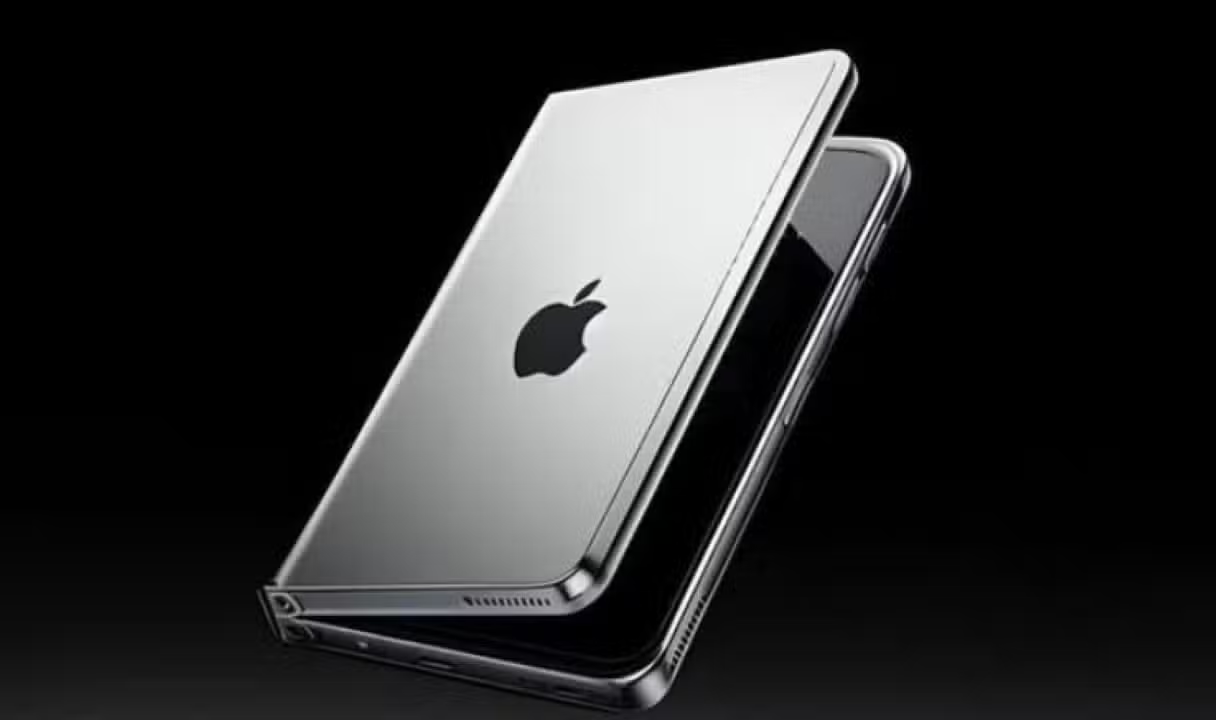
The global technology market is closely following the first leaked details about Apple’s long-awaited foldable smartphone. The unprecedented device promises to shake up the telecommunications sector with a very thin physical structure and a very high capacity battery. Confidentiality is total. Analistas from the communications segment has been monitoring the North American manufacturer’s steps for months in search of clues. Industry expectations revolve around a premium model that could be called the iPhone Ultra or iPhone Air.
The company’s entry into this niche represents a significant change in its traditional product line. The engineering project seeks to solve chronic problems with flexible devices, such as the extreme fragility of the screen and low energy autonomy at the end of the day. The company faces the great challenge of justifying the high production cost with real and tangible innovations for the consumer. Atualmente, Asian brands dominate global sales of this specific smart phone format.

Estrutura warp drive physics and engineering
The measurements of the new equipment impress hardware experts. The cell phone is just 9.5 millimeters thick when it is completely closed. The size drops to an impressive 4.5 millimeters with the main screen open. It is a technical milestone. The format requires meticulous assembly work to accommodate all internal components without compromising user safety. Engenheiros seek a perfect balance between the lightness of the product and the resistance necessary for daily use.
The secret to the reduced thickness lies in the construction of the central hinge. The piece uses an innovative combination of liquid metal panels and components manufactured using 3D printers. Essa mix of materials ensures the stability of the screen at different opening angles. The system supports thousands of movement cycles without showing looseness or premature wear. The precision of the fittings prevents dust and small debris from entering the device’s internal mechanism.
The central crease of the flexible screen received special attention during the rigorous development process. The size of the mark in the fold area measures approximately 0.15 millimeters. The depth is so shallow that the difference in level becomes practically imperceptible to the user’s touch or vision. Testes durability tests take place in closed laboratories to guarantee the quality of the panel. A special protective film covers the display to prevent direct scratches on the sensitive surface.
Capacidade power and camera specs
The battery represents one of the biggest highlights of the leaked project. The component has a total capacity of 5,800 mAh. The number exceeds the average found in the main competitors in the current market. The difference is notable. Fornecer power for two screens requires a considerable reserve to keep the device running during a full day of intense use. Limited internal space forced the manufacturer to redesign the shape of the power cells to overcome the physical restrictions imposed by the chassis.
The image capture system meets the demands of the premium telephony segment. The main camera has an advanced 48 megapixel sensor. The lens adopts a wider format than the current standard to capture more light in dark environments. The rear photographic module had to be adapted so as not to create excessive volume on the back of the smartphone.
- The thickness of the closed device reaches the mark of 9.5 millimeters.
- The battery module holds a total capacity of 5,800 mAh.
- The main camera uses a 48 megapixel photo sensor.
- The flexible screen crease measures just 0.15 millimeters deep.
The visual protection of the panel uses double coating technology. The material reduces reflections from sunlight and improves the viewing of content in outdoor environments. The reinforced structure prevents direct damage to the display during accidental falls to the floor. Increasing the overall weight of the device is an inevitable consequence of adding these safety materials. Heat dissipation also gains importance due to the intense processing required by larger screens.
Processamento advanced and system adaptation
The operation of the device depends on a state-of-the-art processor. The chip uses a 2 nanometer architecture to ensure speed and energy efficiency. Miniaturization of circuits allows for superior performance with lower battery consumption. Thermal control prevents the cell phone from overheating when using heavy applications or games with complex graphics. Thin Aparelhos often suffer from heat retention, which requires careful planning of internal cooling.
The operating system undergoes profound adaptations to take advantage of the expandable format. The software allows you to divide the screen into two independent work areas. The user can run different applications simultaneously with fluidity and extreme speed. The interface automatically adjusts the proportion of content when the cell phone is opened or closed. The smooth transition between displays dictates the rhythm of the user experience in everyday work and leisure.
Disputa for space in the flexible market
The model is on a direct collision course with the main launches of Asian competition. The Galaxy Z Fold 7 projects an even smaller thickness of 4.2 millimeters. The dispute over millimeters reflects the engineering capacity of today’s technology giants. The North American manufacturer is committed to perfect integration between hardware and software to win over the most demanding consumers. The brand’s loyal audience awaits a definitive solution that justifies the exchange of a traditional cell phone for a foldable one.
The company’s commercial strategy involves a lot of patience and close observation of modern consumer behavior. The late entry into the flexible segment allows us to avoid the structural errors made by rivals in the first generations of folding screens. The high cost of internal components indicates that the initial manufacturing volume will be limited to a public with high purchasing power. The financial success of this format will dictate the direction of industrial smartphone design for the coming years. The definitive popularization of the technology directly depends on reducing prices on global store shelves.