

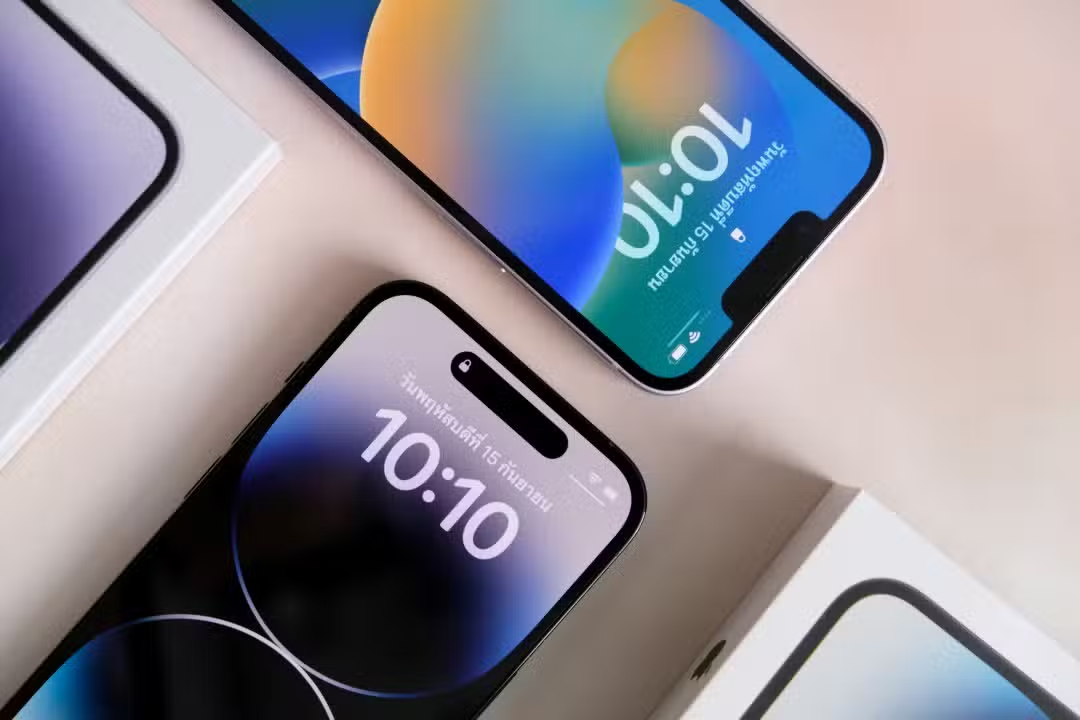
Apple is working on creating a new screen technology called Liquid Glass Display for its next smartphones. The project’s main objective is to deliver a continuous visual experience to consumers. The structure eliminates the perception of the device’s side frames. Informações about the development of the component circulated in the technology sector this Monday.
The North American manufacturer’s initiative seeks to align the physical hardware with the software design language already present in iOS 26. The new panel discards the traditional format of curved edges adopted by competing companies in the mobile device market. The screen’s engineering relies on an extremely subtle curvature at the edges. Light is refracted when it reaches the edges of the glass. Esse optical phenomenon generates the illusion of an infinite display in the user’s hands.
Estrutura optics create illusion of continuity at the ends of the device
The technical concept of the component explores the use of light guides and high-precision optical elements. The screen manages to maintain a natural display of colors and contrasts at the edges of the device. The physical reduction of the frames does not compromise the integrity of the displayed image. The practical result delivers a panel with a fluid appearance. The transparency and purity of the glass remain unchanged during daily use.
The technology requires a complex level of manufacturing by the company’s suppliers. The glass needs to go through specific chemical polishing and lamination processes to achieve the exact degree of refraction required. Especialistas in displays point out that the technique differs radically from waterfall format screens. The Apple model prioritizes the flatness of the useful touch area to avoid distortions. The curvature only occurs in the millimeter boundary zone between the display and the phone’s metal casing.
Fabricante carries out tests to hide biometric sensors under the display
The implementation of the Liquid Glass Display faces significant technical challenges in the smartphone’s internal architecture. The company needs to reposition essential security and photography components. The Face ID and front camera should operate under the new layer of glass without loss of efficiency. Three-dimensional facial reading requires the passage of infrared light without distortions. The quality of image captures also depends on the absolute transparency of the material superimposed on the lens.
The company carries out practical tests in partnership with Samsung Display to develop panels free from the traditional polarizing filter. Removing this layer increases light transmission to the hidden sensors. The structural change reduces the energy consumption of the lighting component. Materials engineering seeks alternative compounds that avoid internal reflections that are harmful to the functioning of cameras. Qualquer drop in biometric recognition rate makes approval of the project unfeasible.
- Curvatura’s subtle glass prevents chromatic distortions common in traditional curved screens.
- Refração directed light reinforces the effect of visual continuity at the edges of the device.
- Integração direct with the translucent graphical interface introduced in the iOS 26 system.
- Under-dash depth sensor Posicionamento requires new transparent compounds.
- Cronograma development points to a possible commercial debut between 2027 and 2028.
The Asian supply chain works with initial prototypes of the component in closed laboratories. Assembly lines need to adapt optical calibration machinery to meet the rigorous standards required by the brand. The utilization rate of parts in the testing phase determines the economic viability of large-scale production in factories. Telas with minimal refraction defects are immediately discarded in quality control. The process increases the initial cost of manufacturing the device.
Panel Projeto integrates physical hardware with visual system interface
The software base for the new screen began to be laid last year during the WWDC 2025 conference. Apple presented the Liquid Glass graphics material to programmers at the time. The visual language unified the behavior of windows and menus across iOS, iPadOS, and macOS Tahoe. The development of new hardware extends this digital fluidity to the physical structure of the phone. The device’s glass now acts as a tactile extension of the operating system interface.
App developers already leverage dynamic material guidelines through tools like SwiftUI and UIKit. Standard interface components gain a native translucent appearance. The system reacts in real time to user movements and overlapping windows. Rendering technology automatically highlights foreground elements. The main content of the screen remains readable regardless of the displayed background.
The adaptation of the software ecosystem prepares the ground for the arrival of the new display. Applications will not need complete code rewrites to take advantage of refractive edges. The operating system itself manages the distribution of pixels at the edges of the panel. The visual transition between the flat area and the refraction zone occurs imperceptibly for the end consumer.
Mudança in design requires adaptation and changes media consumption
The adoption of the borderless panel changes the way users consume multimedia content on their mobile device. Playing videos and playing electronic games gains a greater level of visual immersion. The absence of dark frames around the image reduces distractions during prolonged use. The viewer’s field of vision focuses entirely on the action displayed on the screen. The format especially benefits augmented reality and photo editing applications.
The ergonomics of the device also undergo changes with the new screen format. The accidental touch rejection software needs updating to deal with the refraction area. The system’s algorithms identify the difference between the palm of the hand holding the phone and the intentional touching of the fingers. The accuracy of this recognition prevents unwanted commands when browsing web pages or typing on the virtual keyboard.
Expectativa launch follows the line’s historic anniversary
Profissionais from the technology market associate the debut of the Liquid Glass Display with the future iPhone 20. The model will mark the twentieth anniversary of the launch of the company’s first smartphone. The commemorative date generates expectations about drastic changes in product design. The North American manufacturer usually reserves major structural innovations for specific update cycles. The internal development schedule remains strictly confidential at the company’s facilities.
Analistas from the financial sector projects 2027 as the most likely window for the technology to arrive in stores. The deadline allows the panel manufacturing processes to mature and reduce operating costs. Intermediate versions of the smartphone released before this date should only receive gradual optimizations in the software interface. Collaboration with component suppliers continues apace to resolve production bottlenecks.