

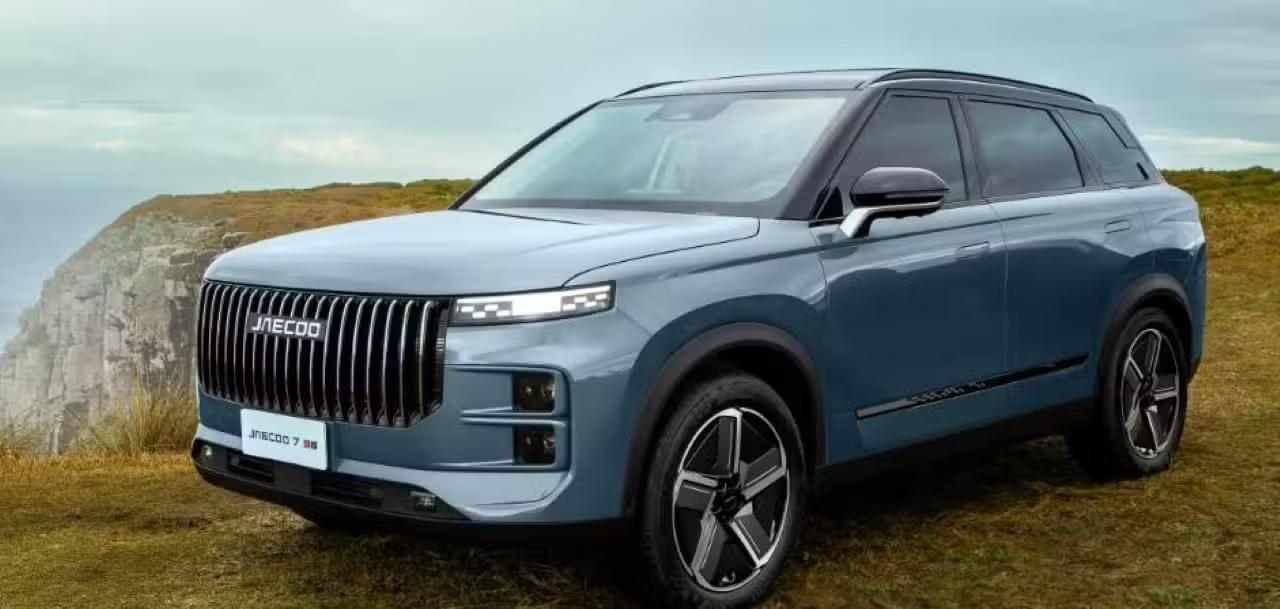
The Asian manufacturer Omoda-Jaecoo has started selling the Elite version of the Jaecoo 7 sports utility vehicle in the Brazilian market. The model arrives at dealerships with a suggested price of R$179,990 during the initial pre-sale period. The automaker has made a limited batch available for this introduction phase. The company’s main objective is to position the vehicle as the most affordable option with plug-in hybrid technology in the country. The commercial strategy seeks to attract consumers who plan to migrate from purely combustion engines to electrified systems. The official announcement took place this Tuesday and is already moving the national automotive sector.
The aggressive price positioning required adaptations to the vehicle’s equipment list. The brand’s engineering team chose to keep the mechanical assembly intact and only make cuts to convenience and finishing items. The technical decision allows the average sports utility vehicle to break the R$180,000 barrier without losing performance. Clientes interested in the entry-level configuration can now make reservations at the authorized dealer network. The movement puts direct pressure on competing automakers operating in the same category.

Mechanical Conjunto preserves power and electric range
The propulsive architecture represents the main attraction of this new entry configuration. The Jaecoo 7 Elite shares exactly the same mechanical system found in the more expensive variants in the brand’s catalog. The vehicle uses the Super Hybrid System, known by the acronym SHS. Este technical arrangement combines a 1.5 turbo combustion engine with a high-capacity electric unit. The integration of the two propellants delivers a combined power of 279 horsepower. The number guarantees vigorous accelerations and safe restarts on highways. The driver finds enough breath to overtake even with the car fully loaded.
The high-voltage battery pack remained unchanged in the design of the cheaper version. Muitas manufacturers often reduce energy storage capacity to make access models cheaper, but Omoda-Jaecoo avoided this practice. Instituto Nacional of Metrologia, Qualidade and Tecnologia evaluated utility consumption. The official cycle of the Inmetro attests to a range of up to 79 kilometers operating exclusively in electric mode. The driver can make daily urban journeys without using the gasoline engine. The manufacturer indicates that the combined use of fuel tanks and a full charge of the batteries provides a range of more than 1,200 kilometers.
Cost-cutting Estratégia eliminates luxury items
The reduction in the final amount charged to the consumer required a careful review of the list of standard equipment. The automaker analyzed the components present in the Luxury version and removed accessories that increased the production cost. The engineering focus was to preserve structural safety and energy efficiency. Simplification transformed the utility into a volume product for the national market. The changes mainly affected the cabin’s visual and tactile comfort systems.
- Teto panoramic solar with electric drive has been removed from the catalogue.
- Front Bancos lost the internal climate ventilation system.
- Câmera with 540-degree vision ended up being replaced by conventional monitoring equipment.
- Advanced Connectivity Pacote has undergone software simplification.
- Acabamento interior received alternative materials at specific points on the doors and dashboard.
Cutting equipment did not eliminate core driver-machine interaction technologies. The main panel continues to house a multimedia center with a 13.2-inch touchscreen. The monitor contains the utility’s climate control, entertainment and dynamic settings controls. The system allows smartphone mirroring without the need for physical cables. The center console holds the magnetic induction cell phone charger. The charging base has an integrated cooling system to prevent electronic devices from overheating during long trips.
Dimensões Structural and Utility Load Capacity
The vehicle’s structural platform maintains the exact proportions of the other versions in the line. The Jaecoo 7 Elite measures 4.50 meters in total length from bumper to bumper. The distance between the front and rear axles reaches 2.67 meters. Estas measures place the model directly in the competition for the medium sports utility vehicle segment in the Brasil. The engineering project prioritized the use of the cabin’s internal space. Passengers traveling in the rear seat will find adequate space for their legs and head.
The luggage compartment meets the transportation needs of average families. The trunk offers 500 liters of volumetric capacity up to the height of the windows. The regular shape of the luggage rack makes it easy to accommodate rigid suitcases and bulky objects. Folding the rear backrests allows you to expand the cargo area for transporting long items. The independent rear suspension helps maintain the vehicle’s directional stability even when the compartment is operating at its maximum weight capacity.
Pacote active safety and driving assistants
The physical integrity of the occupants remained a priority during the formatting of the entry-level version’s equipment package. The Chinese brand maintained advanced driver assistance systems. The utility comes off the assembly line equipped with automatic emergency braking. The front radar detects obstacles and applies the brakes if the driver does not react in time. The adaptive cruise control is also part of the list of standard items. The device adjusts the car’s speed according to the flow of traffic on the highway.
The transmission dedicated to hybrid engines manages the distribution of power to the wheels. The component, called DHT, works exclusively with the front-wheel drive system in this configuration. The gearbox optimizes shifts to prioritize electricity and fossil fuel consumption. Electronic management decides the exact moment to switch between thrusters. Technical balance seeks to deliver operational efficiency in different usage scenarios. The driver can select driving modes that alter the throttle response and weight of the electric steering system.
Impacto commercial in the electrified vehicle segment
The Brazilian market for electrified vehicles records a continuous increase in monthly registrations. The arrival of a plug-in hybrid utility vehicle below the R$180,000 range changes the sector’s price dynamics. Diversas Traditional automakers sell equivalent models for prices exceeding R$200,000. Omoda-Jaecoo’s commercial aggressiveness forces competitors to review their price lists and equipment packages. The consumer gains bargaining power in negotiations at dealerships.
The volume of reservations during the pre-sale phase serves as a thermometer for product acceptance. The strategy of simplifying finishing in favor of mechanical technology tests the priorities of the national buyer. The limited initial batch creates a sense of urgency in authorized chain stores. The country’s expanding charging infrastructure facilitates the adoption of models that rely on sockets. The commercial performance of this specific version will dictate the next steps of the Asian manufacturer in its consolidation operation in Brazilian territory.