

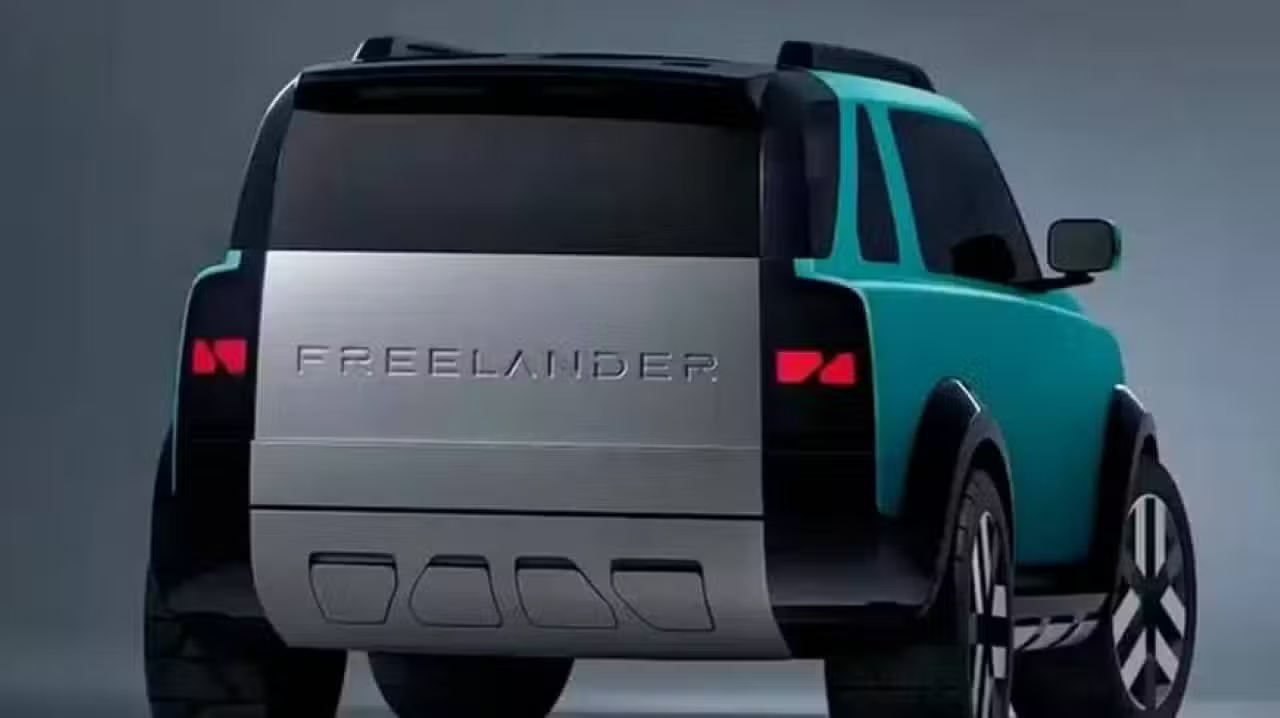
The joint venture formed by automakers Chery and Jaguar Land Rover has officially unveiled the Freelander 8 sports utility vehicle. The model marks the revival of the classic name as an independent division focused on large electrified vehicles. The initial presentation of the project took place during the preparatory activities for Salão of Automóvel of Pequim. The vehicle is 5.1 meters long and accommodates up to three rows of seats in its cabin.
The launch uses the E0X modular platform, developed by the Asian manufacturer to support different types of clean propulsion. The commercial strategy aims to serve both the domestic market and international regions in the coming years. Analistas from the automotive sector observe a movement of adaptation by traditional European brands to new global technological demands. Large-scale production of the utility vehicle should begin in the second half of the year.
Design external bets on straight lines and aerodynamic elements
The look of the sport utility vehicle adopts an aesthetic language focused on straight lines and robust proportions. The body features a flat roof and an upright rear. Essa approach maximizes interior space for third-row occupants. The design is slightly reminiscent of the classic Land Rover Defender, but establishes its own visual identity for the new division. The door handles are embedded in the body during movement. The feature reduces aerodynamic drag and improves the energy efficiency of the set at high speeds.
The two-tone paintwork helps to disguise the car’s lateral volume. The size of the model places it between the 110 and 130 versions of the traditional Defender in terms of total length. The absence of a spare tire hanging from the trunk lid differentiates the vehicle from other SUVs with a purely off-road approach. The roof houses an integrated LiDAR sensor just above the front windshield. The equipment provides real-time, three-dimensional data for advanced driver assistance systems.
Modular Arquitetura supports ultra-fast recharging and high-density batteries
The structural basis of the project rests on the E0X architecture. The platform was created by Chery to support high-performance electric and hybrid vehicles. Outras corporate group brands, such as Exeed and iCAR, already use this same technology in their recent products. The electrical system operates with a voltage of 800 volts. The specification allows for ultra-fast recharges at compatible high-power stations. The waiting time at charging stations drops drastically with this configuration.
The supply of energy accumulators is the responsibility of the manufacturer CATL. The batteries guarantee a purely electric range of up to 350 kilometers in the local test cycle. The mechanical package includes air suspension and continuous damping control. The technology adjusts the stiffness of the shock absorbers in fractions of a second to ensure comfort on different types of flooring. The current automotive market demands high levels of dynamic refinement in family vehicles of this size.
Principais visual and technological characteristics of the new utility
The automaker implemented several aesthetic and functional solutions on the exterior of the car. The details seek to balance the appearance of a utility vehicle with the aerodynamic needs of modern electrification. The list of project highlights includes:
- Logotipo illuminated front integrated into the vehicle’s main grille.
- Maçanetas hidden covers that automatically retract when the car is moving.
- Coluna D with darkened finish to create the visual effect of a floating roof.
- Limpadores windshield semi-hidden under the front hood line.
- Traseira cleans without the presence of the traditional external spare tire.
The cabin has not yet had all of its specifications revealed by the manufacturer during the presentation. Preliminary information indicates that configurations with five or six seats will be offered. The interior layout prioritizes the comfort of passengers in the rear rows with individual seats. The use of sustainable materials in the interior finish reflects current trends in the global automotive industry in the quest for carbon neutrality.
Sistemas propulsion combines combustion and electric engines
The engine offering includes plug-in hybrid options and extended-range electric vehicles. The extended autonomy system uses a combustion engine exclusively as an energy generator for the batteries. The wheels are driven solely by the electric thrusters at all times. The architecture reduces charging anxiety on long trips through regions with limited electrical infrastructure. The fuel tank ensures continuity of the journey even when the battery charge is completely depleted.
Traditional plug-in hybrid models allow the combustion engine to also act directly on the vehicle’s traction in situations of high power demand. The transition between driving modes occurs automatically and imperceptibly for the driver. Electronic powertrain management optimizes energy consumption based on navigation data and the topographic profile of the chosen route. The thermal efficiency of modern combustion engines reaches unprecedented levels of energy use.
Global expansion Estratégia includes development of right-hand drive versions
The strategic partnership between the two companies aims to transcend the borders of the Asian market in the coming years. The development of the utility includes the creation of versions with steering wheel on the right side from the initial phases of the engineering project. The technical decision facilitates exports to countries with English leadership. Oriente Médio appears as one of the first confirmed international destinations for the model. The region has a growing demand for luxury vehicles equipped with alternative propulsion technologies.
The name Freelander carries a history of success within the British brand’s original portfolio over the past decades. The transformation of the nomenclature into an independent manufacturer demonstrates the strength of the automotive heritage combined with technological innovation. Commercial production is expected to begin in the second half of the year at the joint industrial facilities. The global launch schedule will depend on each country’s specific safety and emissions approvals. The sector’s energy transition drives the creation of corporate alliances to dilute the high costs of research and development of new platforms.