

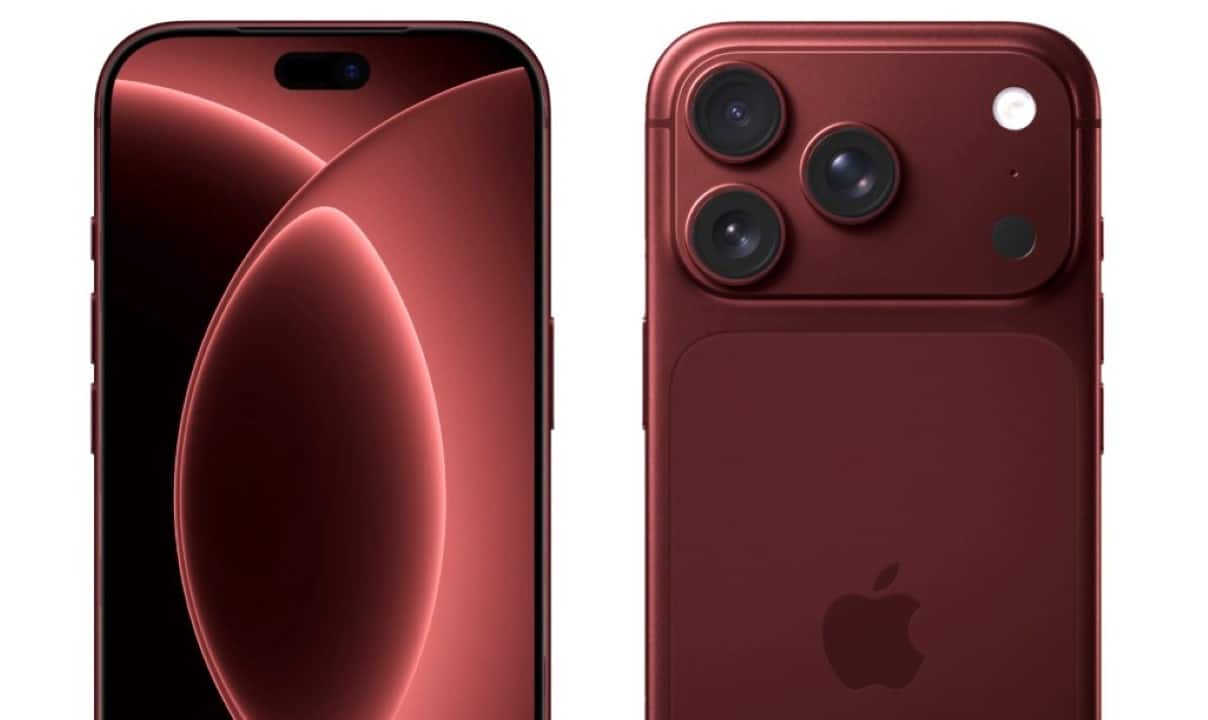
Apple presented the iPhone 18 Pro, a smartphone that redefines the aesthetics and functionality of the brand’s premium devices. The device features an unprecedented design with a completely transparent rear panel that exposes the internal engineering, a 5,200 mAh battery with extended autonomy and a 2 nanometer processor. The launch is scheduled for September in international markets, consolidating the model in the ultra-premium segment.
Painel transparent with reinforced glass and aerospace titanium
The back panel uses reinforced glass subjected to exclusive chemical treatment that prevents natural yellowing and resists accidental drops and scratches from daily use. The main structure is manufactured from aerospace-grade titanium, offering greater lightness and structural rigidity than previous generations. The integration between machined metal and transparent glass required the development of an unprecedented industrial adhesive that completely seals the device against water and dust, meeting the most stringent protection certifications without compromising the transparency that reveals the internal components.
Otimização thermal and redesigned internal architecture
The millimetric optimization of the internal space allowed the integration of the high-density battery without increasing the overall thickness of the device. With the components exposed, temperature control became a central challenge for the engineering team. The solution implements high-density graphene plates and a completely redesigned vapor chamber system for efficient dissipation of heat generated by the processor.
- Placas graphene dissipates heat quickly and silently.
- Sistema vapor chamber protects the rear panel against overheating.
- Redesenho complete motherboard for aesthetic and functional purposes.
- Metallic Ligas, unprecedented in the premium smartphone category.
Thermal management works in conjunction with the new processor to maintain optimal operating temperatures during heavy use, allowing artificial intelligence algorithms to run directly on the device without compromising overall performance.
2 nanometer Processador and expanded RAM memory
The processing core uses a chip manufactured using a 2-nanometer process, a historic milestone in the miniaturization of transistors. The component is designed to run language models and simultaneous translation tasks in the background, reducing dependency on cloud servers. RAM memory has been expanded to 12 GB, ensuring fluidity when switching between multiple simultaneous applications and complex local processing operations.
Sistema camera with variable aperture and enhanced lenses
The rear photographic set introduces a variable aperture mechanism in the main lens, a technology inherited from professional cameras that physically adjusts the amount of light captured according to the environment. The system dramatically improves depth of field in natural portraits and generates authentic background blur. Fotografias night images gain superior clarity by eliminating visual noise in very low light scenarios. Todas lenses have received a new laboratory-developed optical coating to mitigate unwanted reflections from direct light sources.
The optical zoom system adopts enhanced refraction prism that stabilizes the image during moving shooting. The integration between camera hardware and the new image signal processor allows the application of artificial intelligence filters at the exact moment of the click, correcting color distortions and adjusting white balance before saving the file.
Conectividade via satellite and commercial availability
The communications infrastructure has been expanded to support robust satellite connectivity, enabling short voice calls and the sending of compressed multimedia files in remote regions without traditional cellular coverage. The device abandons the physical tray for carrier chips in favor of virtual technology. The Asian supply chain has begun calibrating assembly lines for mass production, aiming for sufficient stocks for simultaneous launch in several countries. Price positioning will reflect the high research and development costs of the new transparent materials.