Market speculation about the price of the new Nintendo Switch 2 console and the impact on retail
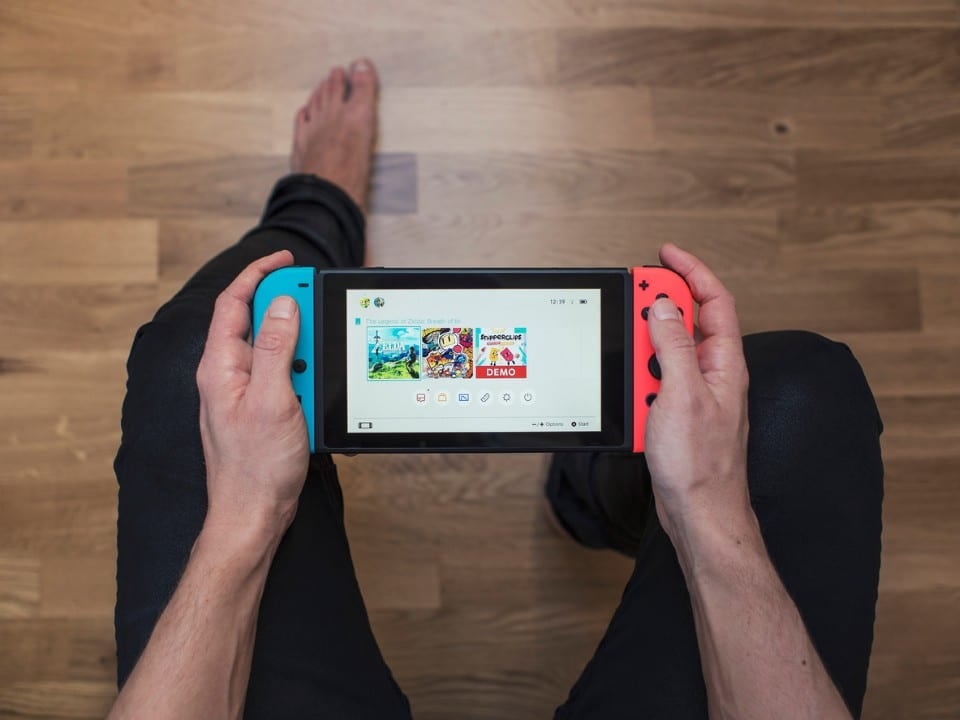
The video game industry is experiencing a period of intense expectation with growing rumors and market analyzes regarding the launch of the Nintendo Switch 2, successor to the hybrid console that revolutionized the sector. The main discussion that permeates the technology corridors and gamer forums is regarding a possible significant increase in the launch price of the new device. Esse scenario raises concerns among consumers and analysts, who seek to understand the factors behind a potential increase in costs and its consequences for Nintendo’s global strategy. The company, known for its innovative approach and prioritizing the gaming experience over raw power, is now facing a challenging economic outlook that could directly influence the pricing of its next major release.
The expectation of a higher value for Switch 2 does not arise from chance, but rather from a confluence of macroeconomic factors and industry trends. Custos of component production, global inflation and the appreciation of currencies in different markets are crucial elements that pressure manufacturers to readjust their prices. Além Furthermore, technological evolution and the incorporation of new features into the console, such as more powerful hardware, a higher resolution screen and improved graphics capabilities, naturally make the manufacturing process more expensive.
The global semiconductor market, essential for console production, continues to present logistical and cost challenges. The demand for advanced chips remains high in several industries, which directly impacts the final value of electronic components. Dynamic Essa, combined with investments in research and development to bring innovations to the hardware, suggests that the price of the Nintendo Switch 2 will hardly remain at the levels of its predecessor at launch.
Cenário economic and production costs
The global economic environment of 2026 presents particularities that shape pricing decisions for major launches. Inflation, although controlled in some regions, still puts pressure on raw material and logistics costs. Empresas like Nintendo need to balance the ability to innovate with the need to maintain competitiveness in an increasingly competitive market.
Manufacturing costs for next-gen consoles have risen considerably over the past decade. Componentes processors, RAM, and high-quality displays, which are crucial to delivering a superior gaming experience, have seen their prices rise due to scarcity and production complexity. The globalization of the supply chain also exposes companies to currency fluctuations and geopolitical tensions, which can directly impact the final value of the product.
Nintendo price Histórico and market evolution
Nintendo has a varied history of pricing its consoles. The original Nintendo Switch was launched in 2017 for US$299, a price considered competitive at the time and which contributed to its rapid rise. Previous Consoles, such as the Wii U, had a higher initial price and faced difficulties in the market, showing consumers’ sensitivity to the perceived value of the product.
The company’s strategy has always been to focus on gameplay innovation and unique experiences, rather than competing purely on technical specifications with rivals like PlayStation and Xbox. However, the current market requires a minimum of performance to run the latest games, which may justify more robust hardware and, consequently, a higher price for the Switch 2.
* The Nintendo Entertainment System (NES) was released for US$199.
* The Super Nintendo (SNES) hit the market for US$199.
* The Nintendo 64 had a starting price of US$199.
* The GameCube launched for US$199.
* The Wii was a sales success with its price of US$249.
* The Wii U had a starting price of US$299 or US$349, depending on the version.
* The Nintendo Switch debuted for $299.
Essa’s trajectory demonstrates that the company seeks a balance between accessibility and added value. The pricing decision for the Switch 2 will reflect not only costs, but also the perception of value that Nintendo wants to create for its new device.
Consumer Expectativas and launch strategy
Nintendo’s fan base is vast and loyal, but also sensitive to price increases. Muitos Consumers expect Switch 2 to maintain the portability and versatility of the original while adding significant improvements in performance and graphics. How Nintendo communicates the added value of the new console will be crucial to justifying any price increase.
A successful launch strategy will need to highlight Switch 2’s innovative features, such as possible backward compatibility with games from the original Switch, an improved display, and new interaction methods. The company will have to convince consumers that the additional investment is worth it by offering a gaming experience that justifies the cost.
The pricing decision can also be influenced by launch packages, which can include exclusive games or accessories, seeking to soften the perception of a higher base price. Transparent communication about improvements and the console’s positioning in the market will be key elements for success.
The role of technological innovation in final value
Technological innovation is a fundamental driver for the video game industry, but also a factor driving development and production costs. Para o Nintendo Switch 2, the company is expected to incorporate significant advances in areas such as graphics processing, memory capacity and display technology. Essas improvements are essential to remain competitive with rival consoles and to meet the expectations of a player base that seeks increasingly immersive and visually stunning experiences.
More powerful hardware allows developers to create games with more realistic graphics, more open and complex worlds, and reduced loading times. Adopting new chip architectures and improving battery technology to support superior performance in portable mode are considerable investments. Tais innovations not only increase component costs, but also require intensive research and development work, reflected in the final price to the consumer. Nintendo needs to balance the desire for cutting-edge innovation with the reality of a market that values accessibility.
Análise of competitors and competitiveness
The console market is highly competitive, with Sony and Microsoft offering their respective PlayStation 5 and Xbox Series X/S. Estes consoles, launched with cutting-edge hardware and prices in the US$400-500 range, set a benchmark for performance and cost. The Nintendo traditionally does not compete directly in the same raw power segment, but consumers’ perception of value is inevitably compared. If the Switch 2 launches at a significantly higher price than the original Switch, it will move closer to the price territory of its more powerful competitors, requiring the Nintendo to justify the investment with its unique value proposition.
The company will have to demonstrate that the Switch 2 offers an experience that transcends mere spec comparison. Portability, hybrid mode versatility and exclusive games will continue to be the pillars of Nintendo’s strategy. Contudo, a high price can make it difficult for new players to enter the platform, especially in emerging markets, where every dollar makes a big difference in the purchasing decision. Retail competitiveness will be a determining factor, and Nintendo will need to ensure that its new console stands out not only for its innovation, but also for its attractive value for money.
Projeções sales and retail adaptation
Sales projections for the Nintendo Switch 2 are a topic of intense debate among market analysts. A higher price may initially impact sales volume, especially if demand is not strong enough to justify the cost. Contudo, the installed base of the original Switch, and Nintendo brand loyalty can mitigate some of this effect, ensuring robust initial sales volume. Retail, in turn, is already preparing for the arrival of the new console, anticipating marketing and inventory strategies to maximize sales. The availability of units at launch will be crucial to meeting initial demand and avoiding consumer frustration.
