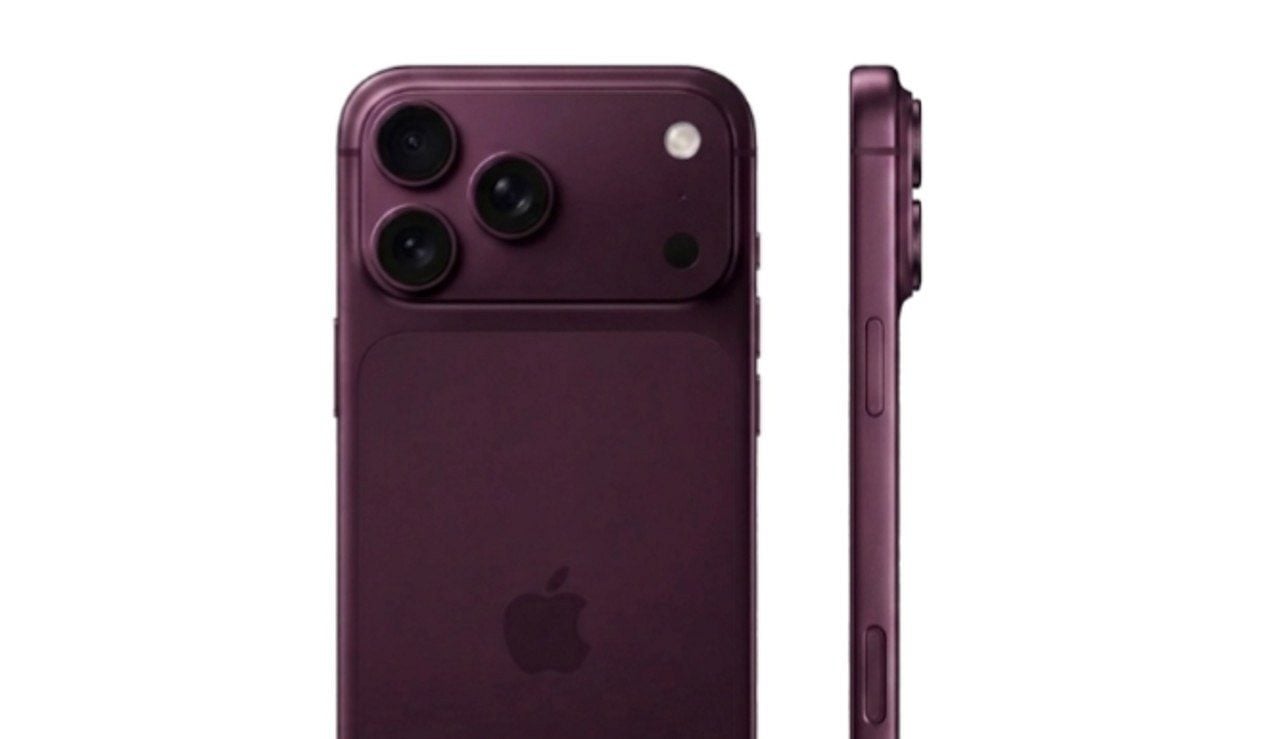
Apple structures the launch of two high-performance smartphones for the second half of 2026, each aimed at different segments of the global market. The iPhone 18 Pro brings significant updates in camera and energy efficiency, while the iPhone Ultra marks the manufacturer’s entry into the foldable device segment, with a 7.8-inch internal screen. The two models share the A20 processor, developed with two-nanometer technology by TSMC, representing a technological leap in speed and energy consumption.
Processador A20 with two nanometers boosts performance
The A20 chip introduces measurable gains in the daily operation of new devices. Technical specifications indicate up to 15% faster processing compared to the A19 generation, in addition to 30% higher energy efficiency. The miniaturization of transistors allows the device to perform complex tasks, such as local artificial intelligence processing and advanced graphics rendering, without compromising battery life. TSMC maintains exclusivity in the production of these cutting-edge components for the North American brand.
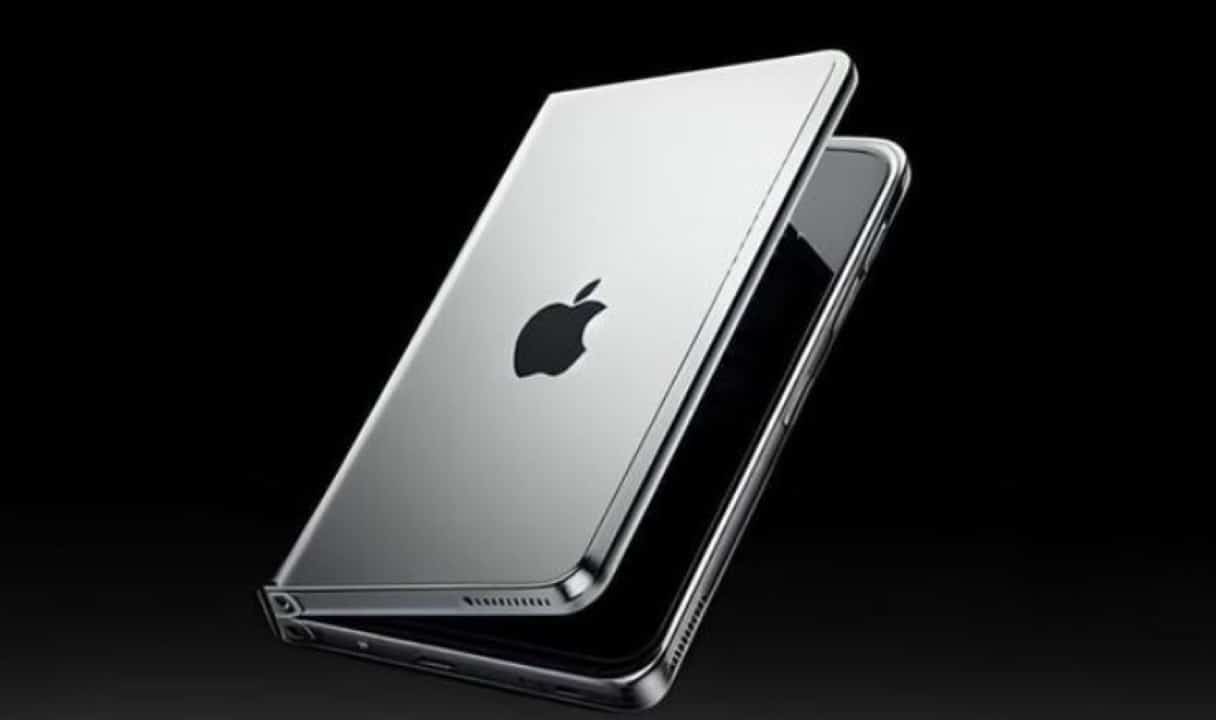
The distribution of processors follows a performance hierarchy based on the structure of each phone. The iPhone 18 Pro will receive the A20 Pro variant, equipped with additional graphics processing cores and an expanded neural engine for image calculations. The iPhone Ultra will use the standard version of the A20 chip, a choice that aims to balance power consumption in the foldable model. The flexible device faces natural thermal challenges due to the reduced space in the chassis and the presence of the central articulation mechanism.
Sistema of cameras differentiates the two models
The ability to capture images definitively separates the launches. The iPhone 18 Pro integrates three rear sensors and introduces a 48-megapixel main lens with variable aperture. The mechanical system physically adjusts the camera’s diaphragm, closing the entry of light in very bright environments and opening the structure in dark places. The technology offers true optical control over exposure and depth of field, reducing sole dependence on software algorithms to process photographs.
The traditional model maintains the exclusivity of the telephoto lens with eight times optical zoom, a piece that requires considerable internal space to align the prisms. The iPhone Ultra does not support this complex structure. The thickness of the foldable device and the need to accommodate the flexible screen forced the development team to remove the third camera from the project. The flexible device will operate with a dual capture system on the outside, with two 48-megapixel sensors forming the rear assembly, ensuring high-resolution video recording and detailed photographs.
- iPhone 18 Pro: triple set with variable aperture lens and dedicated telephoto lens for optical zoom.
- iPhone Ultra: dual camera system adapted to the compact chassis of the foldable format.
- Optical Processamento: advantage of the Pro model in low light environments and image approximation.
The photographic configuration of the Pro model caters to image professionals and content creators who require versatility on a daily basis. The physical adjustment of the light brings the cell phone closer to the functioning of dedicated professional cameras. The Ultra focuses on portability and expansion of the viewing area, accepting direct technical compromises in the area of visual capture.
Battery Autonomia presents divergent scenarios
The iPhone 18 Pro Max will hit the market with a 5,100 to 5,200 mAh battery, operating in conjunction with LTPO+ screen technology. The panel reduces the refresh rate when reading text or viewing static images, drastically reducing daily energy consumption. The combination of the two-nanometer component and the extended battery ensures additional hours of browsing and continuous media playback.
The iPhone Ultra lacks exact specifications regarding total power capacity. The 7.8-inch internal screen requires a substantial amount of power to maintain high brightness and refresh rate during use. The hinge mechanism occupies the center of the device, dividing the internal space and preventing the installation of a single, bulky battery cell. The closed design reaches 11 millimeters in thickness, restricting engineering options for cargo storage. The consumption of a flexible panel measuring almost eight inches is completely different from the demand for a rigid 6.9-inch screen.
Desafios structures mark the debut of folding technology
The launch of Apple’s first flexible cell phone involves engineering variables that have not yet been tested on a large scale by the company’s loyal audience. The strength of the hinge after thousands of opening cycles, the visibility of the central crease on the screen and the durability of the panel against scratches represent critical usage factors. The manufacturer invests in new materials to mitigate common flaws observed in competing devices, with the central objective of delivering a more uniform surface that is resistant to daily impacts.
The format imposes additional restrictions on the already established accessory ecosystem. The iPhone Ultra will not natively support MagSafe technology, an absence that stems from a lack of space on the back panel and the need to keep the weight of the device under strict control. The thickness of the folded device changes the traditional ergonomics of the line, requiring tactile adaptation by users accustomed to the thin profile of previous models. The iPhone 18 Pro maintains the dimensions of the previous generation, presenting a millimeter increase that goes unnoticed in common use, while iOS operates natively in the standard rectangular format, without the need for interface adaptations.
