

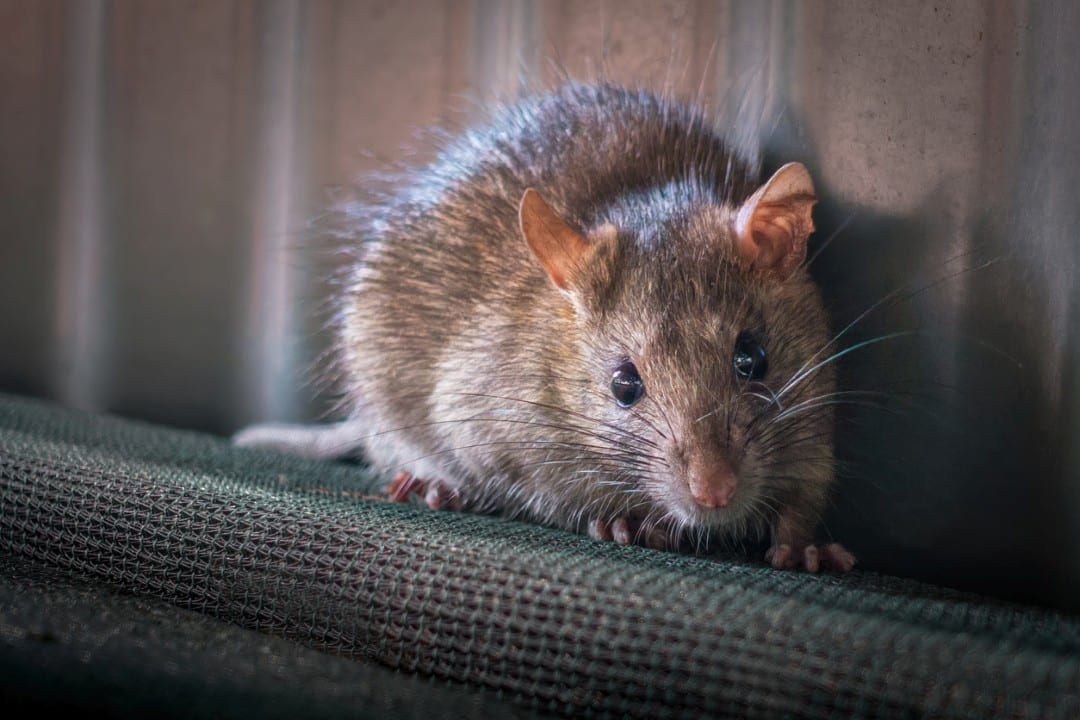
Oito Hantavirus infections were confirmed among passengers who disembarked from the MV Hondius cruise ship at Santa Helena on April 24. Autoridades health authorities from three countries monitor 30 people who left the vessel, in addition to an additional contact registered in Alicante, in Espanha. Those affected represent 12 different nationalities and are in preventive confinement or voluntary isolation. The discovery triggered international tracking protocols and complete disinfection of the vessel.
Transmissão and clinical characteristics of the virus
Hantavirus is transmitted mainly through contact with feces, urine or saliva from infected rodents. Transmission between humans is rare, occurring only in cases of very close contact with bodily fluids. Infected Roedores spread the pathogen through respiratory aerosols or contamination of surfaces and food.

The disease causes cardiopulmonary syndrome or hemorrhagic fever with kidney failure, depending on the viral strain. Initial symptoms include fever, muscle aches, fatigue and cough. Progression to severe phases occurs between seven and ten days after exposure. Nos ship passengers, the first symptoms appeared ten days after disembarkation, in line with the typical incubation period.
International Monitoramento and preventive isolation
Autoridades public health agencies from at least three nations have initiated active monitoring protocols for dispersed passengers. The strategy includes continued surveillance, periodic diagnostic testing and isolation when necessary. Cada country assumed responsibility for monitoring its citizens according to Organização Mundial’s recommendations from Saúde.
- Trinta passengers disembarked at Santa Helena and dispersed to different destinations.
- Residem in 12 different nationalities with periodic medical monitoring in their countries of origin.
- Prazo of observation varies from two to four weeks depending on local protocols.
- Testes periodic hantavirus screenings have been scheduled every seven days for those in preventive isolation.
- Foram advised on initial symptoms and instructed to notify authorities quickly if new symptoms appear.
Vessel Investigação and health response
The MV Hondius carried approximately 150 passengers and 75 crew members during the relevant period. Initial Investigação suggests that rodents may have colonized food storage compartments. The passenger cabin underwent complete chemical disinfection, and sanitation and pest control procedures were intensified across the fleet.
Profissionais health professionals who treat passengers use maximum level personal protective equipment. Santa Helena intensified surveillance at ports and airports, distributing guidance on hygiene and prevention. Equipes from epidemiology work to investigate possible sources of infection within the vessel. Registros’s previous health checks on the ship did not indicate a similar problem, and the crew also underwent testing and monitoring.
Confirmação diagnostic and epidemiological situation
Testes carried out identified viral presence by PCR in samples collected in reference laboratories. Diagnostic confirmation occurred through blood analysis and advanced molecular techniques. Dois cases presented more severe symptoms, while the majority of cases have presented a moderate evolution to date.
An additional case was recorded in Alicante, classified as secondary transmission in a passenger who had close contact with someone on the ship. Spanish Autoridades expanded surveillance in healthcare facilities in the region. Organização Pan-American Saúde has been reported by international surveillance protocols, and technical recommendations have been issued for diagnostic laboratories to confirm cases through serological and molecular testing. Investigação epidemiological investigation continues to determine exactly when and where exposure to hantavirus occurred on the vessel.