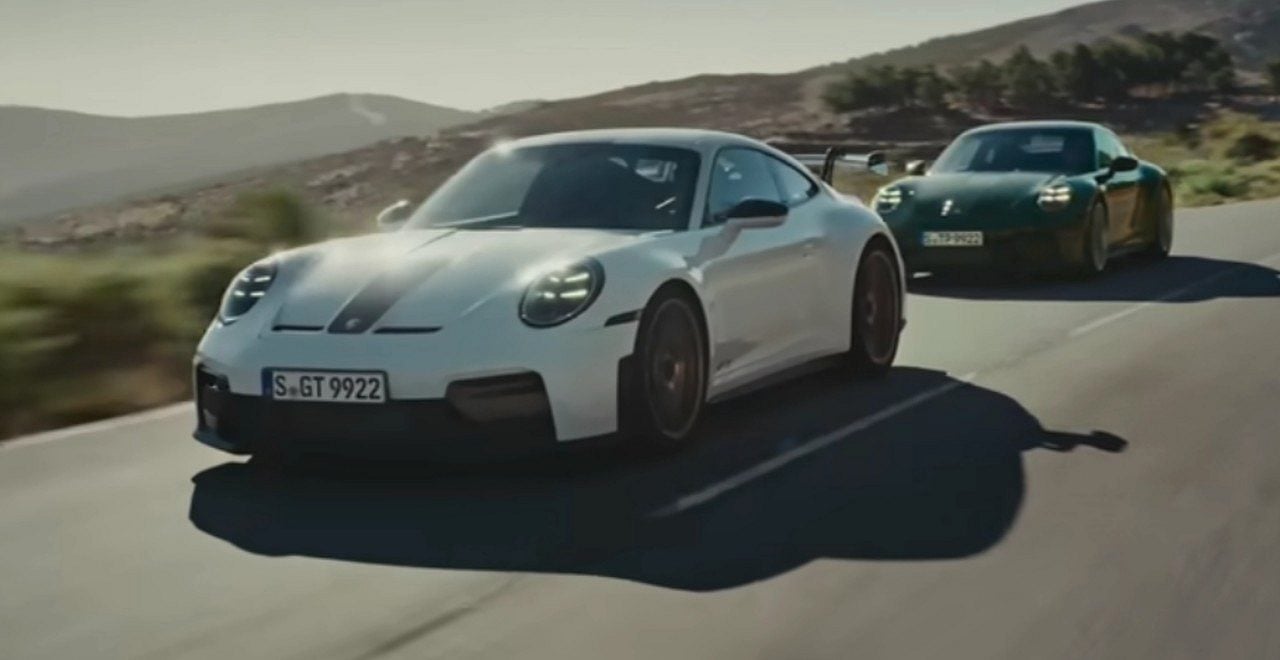
Porsche Japão revealed in April 2026 a restricted version of the 911 GT3 produced in just 30 units worldwide. The model, called 911 GT3 Artisan Edition, combines high-performance engineering with centuries-old Japanese artisanal techniques, especially Edo Kiriko (traditional glass cutting) and Aizome (natural indigo dyeing). Production takes place exclusively for the Japanese market, reinforcing the exclusivity nature of the project.
The initiative emerges from the Porsche Exclusive Manufaktur philosophy, which advocates being “true luxury found in the details”. Essa special edition materializes the fusion between two distinct universes: cutting-edge German mechanics and the traditional manual work of the Japão. The strategy reflects the brand’s recognition of the importance of the Japanese market and its willingness to create products that interact with local values and traditions.
Pintura and exterior design express Japanese cultural influence
The body features a white base combined with custom paintwork in the shade Club Blue (W60), complemented by light blue details. Essa chromatic choice pays homage to “Japão Blue”, historically linked to indigo dyeing — one of the techniques that inspire the project. The side painting displays a gradient that symbolizes the flow of air and time, reinforcing the aesthetic integration between modern engineering and traditional art.
The model incorporates the Kit Manthey as standard, developed by the company specialized in optimizing the Porsche for competition. Aerodynamic components include:
- Suspensão four-way adjustable coilover for improved drivability
- Aerodynamic Pacote that stabilizes the vehicle at high speeds
- Spoiler and front flap in high resistance carbon fiber
- Difusor reinforced rear for better airflow
- Asa carbon fiber rear with enlarged side plates
- Discos aerodynamic carbon fiber
- Steel Lined Brake Lines Conjunto
Esses elements enhance performance and establish a visual language consistent with the proposal of modernity combined with artisanal tradition. Aerodynamics receives special attention to guarantee stability on the track and on the road.
Interior sets differentiation through traditional indigo dyeing
The interior finish represents the focal point of the project’s artisanal differentiation. The leather on the dashboard and doors has double stitching — sky blue internally and white externally. Essa chromatic duality evokes the relationship between road and race track, concepts central to the identity of the 911 GT3. The seats incorporate a pattern inspired by traditional Japanese indigo dye, a philosophy that extends to the accessories offered to the owner.
The illuminated door sills, made of black brushed aluminum, feature an exclusive inscription with the “GT3 Artisan Edition” logo. The exclusive accessories provided to the owner — wallet and key ring — follow the same aesthetic language as the vehicle. The key receives white paint identical to the bodywork and features graphics that reflect the external design, transforming even this functional element into an extension of the integrated design concept.
Motor maintains standard 911 GT3 power and reliability
Mecanicamente, the Artisan Edition inherits the powertrain from the current 911 GT3. Trata is a 4-liter engine, six cylinders horizontally opposed, naturally aspirated, which delivers maximum power of 510 horsepower and maximum torque of 450 Newton-meter. Essas specifications maintain the performance characteristics that have consolidated the GT3 lineage as a reference in its category for decades.
The decision not to modify the powertrain reflects Porsche’s strategy: to focus differentiation on the sensorial experience and cultural connection with the Japanese market, without compromising world-renowned reliability and performance. The naturally aspirated engine offers immediate response and power linearity characteristic of the brand.
Raridade and exclusivity consolidate market positioning
The restriction to just 30 units guarantees rarity in the global luxury automobile universe. Essa limited quantity, coupled with exclusive availability in the Japão, positions the model as an object of desire for both collectors and owners seeking cultural significance in addition to pure technical performance. With this strategy, Porsche reaffirms its ability to create narratives that transcend mechanical specifications and emotionally connect with owners.