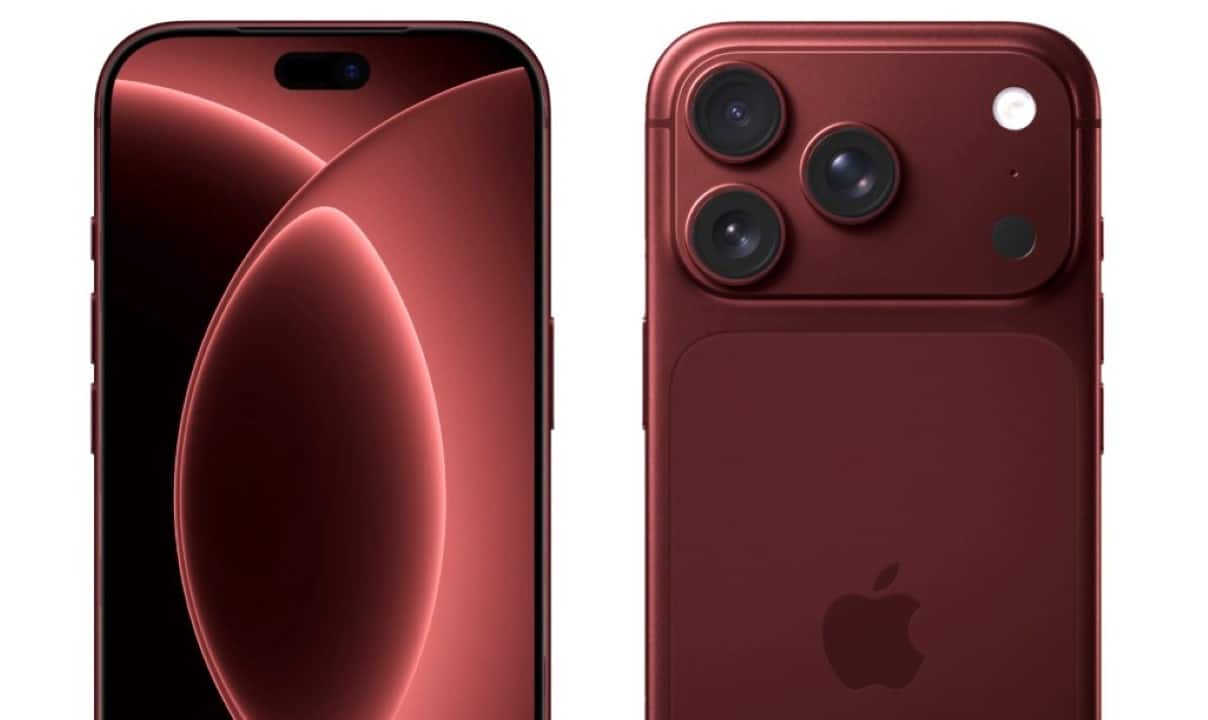
Apple revealed the iPhone 18 Pro, a smartphone that redefined the aesthetics of the premium line with a completely transparent back panel that exposes the internal components. The launch will take place in September with a 5,200 mAh battery, representing a significant advance in autonomy. The device uses aerospace-grade titanium in the chassis and reinforced glass on the back, ensuring mechanical strength and durability superior to previous models.
Traseira transparent with special glass and waterproof seal
The transparent back panel required the development of special glass subjected to chemical treatments in Asian factories. The process prevents the natural yellowing of the material over time, maintaining visual clarity even under constant exposure to sunlight. The union between the metal frame and the glass used an exclusive sealing adhesive that blocks the entry of water and dust particles into the exposed circuits, achieving the maximum protection certifications required by the industry.
Transparency transforms the motherboard and internal connectors into product design elements. Apple has reorganized the layout of cables and chips to create a symmetrical and organized appearance, reflecting the search for differentiation in the mobile technology sector. Especialistas point out that the integration of new materials attracts consumers interested in visual innovation and exclusivity, consolidating the ultra-premium positioning of the device.
2-nanometer Processador with integrated artificial intelligence
The operational core works through a processor manufactured using 2 nanometer technology, a milestone in the miniaturization of electronic components. The microscopic architecture groups billions of transistors into an extremely small physical space, ensuring maximum efficiency. The chip has cores dedicated exclusively to running artificial intelligence algorithms locally, reducing energy consumption and eliminating dependence on constant connection to external servers.
Random access memory jumped to 12 GB in this generation, supporting the execution of complex language models in the background. The user can use simultaneous translation and text editing tools without system slowdowns. Switching between heavy applications is fluid, while the hardware works in sync with the software to optimize power consumption when recording high-resolution videos and playing electronic games.
Sistema cooling with graphene and vapor chamber
The inclusion of a high-density battery in the same physical space created temperature challenges for the Apple’s engineering. The heat generated by the processor needed to be dissipated without damaging the rear glass or neighboring components. The solution involved a complete reformulation of the internal cooling system, with the adoption of new conductive materials in the cell phone production line.
- High-density graphene Placas absorbs heat from the main processor quickly.
- The vapor chamber system distributes the temperature evenly throughout the metal structure.
- The motherboard received a redesign focused on air circulation between the microchips.
- Special metallic Ligas protects the battery against overheating during fast charging.
Efficient thermal control ensures the device maintains peak performance over long periods of use. The user does not feel discomfort when holding the device during tasks that require a lot of the processor, while the silent dissipation prevents premature battery degradation and extends the useful life of the equipment.
Câmera with variable aperture and satellite connectivity
The main camera introduces a variable aperture mechanism in the lens that physically adjusts the light entering the sensor according to the ambient lighting. The system works in a similar way to professional photographic equipment, improving depth of field in portraits and creating natural background blur. Night photographs present greater clarity and less visual noise in low-light locations, while the image signal processor applies color correction filters at the exact moment of the click.
The communications infrastructure supports robust satellite connections in remote areas, enabling short voice calls and the sending of compressed multimedia files outside the coverage area of traditional carriers. The device eliminates the physical tray for telephone chips and exclusively adopts virtual line technology, freeing up internal space for other components. The partner factories in Ásia began calibrating the assembly lines to guarantee the necessary production volume, with simultaneous launch in several countries to meet initial demand and consolidate the brand’s position in the ultra-premium segment of global technology.
