Technology giant Apple announced the global launch of the MacBook Neo, a portable computer with a starting price of US$599. The unveiling of the equipment marks a profound change in the North American manufacturer’s commercial strategy. The device was presented by John Ternus, current engineering director who will assume the role of executive director of the company on September 1, 2026. The new model maintains the brand’s characteristic metal finish, but hits shelves for a price considerably lower than the company’s historical average.
The initiative led by the future chief executive seeks to combine the brand’s prestige with an unprecedented price range in the current portfolio. The corporation focuses its efforts on consumers who usually purchase machines with Windows or ChromeOS systems. Especialistas from the electronics market indicate that the company chose to sacrifice part of the profit margin per unit. The central purpose of the maneuver is to quickly expand the global base of active users, taking advantage of the current cycle of equipment renewal in companies and homes.
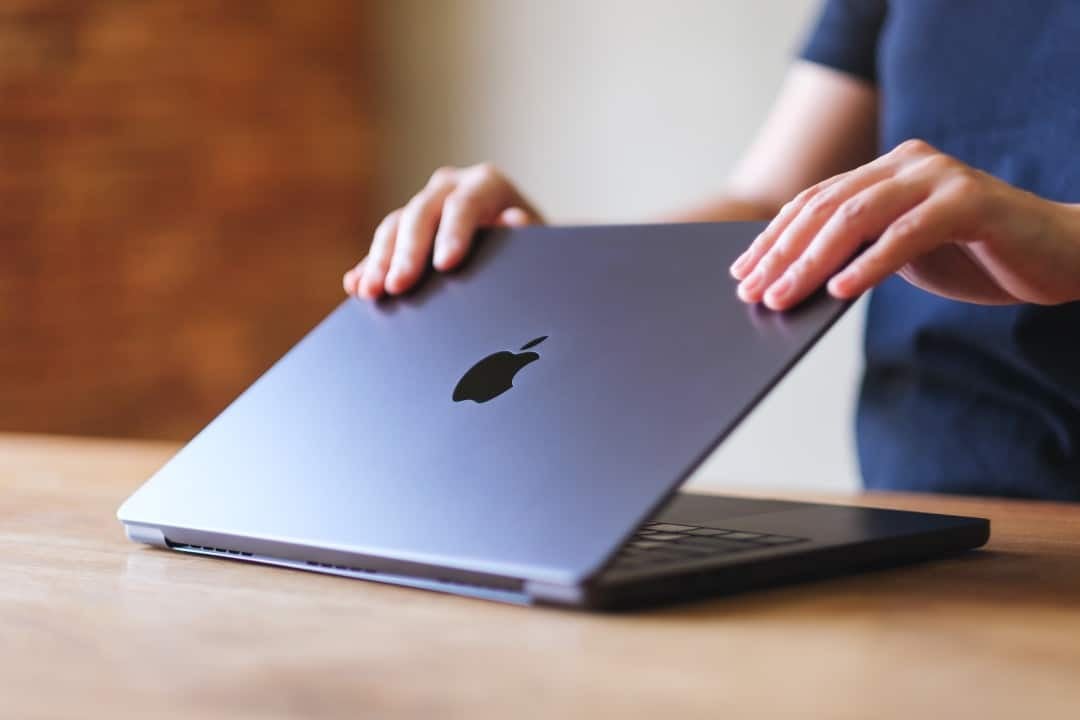
Foco in education sector drives sales strategy
The aggressiveness of the new prices takes on even clearer contours when targeted at educational institutions and students. The price of the computer is reduced to US$499 in physical and online stores upon presentation of valid proof of registration. The public and private school environment represents a territory historically dominated by low-cost devices from competing brands. The recently launched equipment attempts to break this hegemony with the promise of greater physical durability and direct integration with educational platforms. The reduced initial investment attracts the attention of technology managers in schools.
The sale of more affordable hardware serves as a planned gateway to the manufacturer’s lucrative ecosystem of services. The student who buys the laptop often ends up subscribing to monthly packages, such as iCloud cloud storage and the Apple Music streaming service. The early loyalty of this audience guarantees a constant revenue stream for the company for several years. Analistas financiers observe that users familiar with the macOS system have a greater tendency to purchase premium models, such as the Air and Pro lines, when entering the job market.
The movement also reflects a need for revenue diversification in a more restricted global economic scenario. Families are looking for computer options that offer longevity without compromising the household budget. Offering a product with extended support for software updates creates an important competitive differentiator. The company is betting that the fluid user experience in the first years of study will be the decisive factor in customer retention in adulthood.
Transição on the board signals return to physical development
John Ternus’s presence as a central figure at the presentation event cements his role as the new face of the corporation for the next decade. The engineer occupied the main stage, a space that for years belonged almost exclusively to Tim Cook in major broadcasts for Estados Unidos and the world. The executive has a history of more than 25 years in the development laboratories at Cupertino. Ele led teams responsible for creating products that support the company’s revenue, encompassing several lines of smartphones, tablets and smart watches.
Profissionais from the production chain describe the future executive director’s working method as rigorous and focused on the efficiency of industrial assembly. The entry computer’s arrival represents its first major public challenge before investors before the command transition in September. The ability to produce equipment worth six hundred dollars without using plastic in the external structure demonstrates accurate logistical control. The outgoing administration focused intensely on the expansion of digital services, while the new leadership points to an appreciation of hardware engineering.
The internal restructuring follows the demands of an increasingly demanding consumer market regarding the sustainability of electronics. The ability to innovate in manufacturing processes allows the company to maintain its environmental commitments even with cheaper products. The financial market is closely following this change in focus, evaluating whether the new approach will be able to maintain the growth rate of the company’s shares on the stock exchanges.
Componentes internals and design preserve visual identity
The operation of the new laptop is driven by M series processors, developed by the manufacturer’s own engineers. The transition to proprietary silicon architecture results in superior power management and extended battery life compared to chips from third-party vendors. The computer hits the market with 8GB of RAM in its initial version. The technical specification generates discussions among technology experts, but the company maintains that the optimization between the hardware and the operating system nullifies the component’s numerical restrictions.
The lower price of the final product did not exclude the essential parts to maintain the quality standard associated with the North American brand. The production chain uses components identical to those found in more expensive models to reduce mass manufacturing costs. The designers carefully chose the elements that form the basis of the new portable device. The set of technical characteristics includes the following items:
- High-resolution Monitor with Retina technology and color accuracy suitable for basic image editing.
- Teclado with scissor mechanism designed to offer comfort and precision during long typing sessions.
- Touch Painel equipped with Force Touch technology and advanced support for multi-gesture navigation.
- Saída stereo audio with speakers that support native reproduction of immersive spatial sound.
- Carcaça made from recycled aluminum with new finishing options, highlighting the citrus yellow color.
The exact amounts involved in the assembly line are kept strictly confidential by the company’s management. Informações’s business partners at Ásia suggest that the corporation has revised old contracts with suppliers to make the sales price viable. The technical strategy prioritizes the quality of the screen and devices for direct interaction with the user. Computadores from other brands in the same price category generally use lower resolution monitors and less resistant materials to cover the production bill.
Disputa competes with traditional manufacturers in the segment
The introduction of an Apple-branded computer for less than six hundred dollars transforms the competitive landscape in technology retail. Empresas, consolidated as Dell, HP and Lenovo, maintain a strong presence in stores with equipment designed for routine tasks and internet browsing. Microsoft also actively participates in this dispute with its line of entry-level hybrid computers. The competitor’s launch forces these corporations to adjust their pricing tables before the back-to-school period. The battle for customer preference is expected to squeeze profit margins across the IT industry.
The preliminary assessment by market consultants highlights the boldness of the commercial maneuver in a period of strong competition in computer sales around the world. The product’s performance in physical stores and in e-commerce will serve as a barometer for the strategy of the company’s future leader in its initial months. The company shows that it is willing to leave its comfort zone in the high-end market to compete for sales volume in the more accessible categories. The electronics segment is closely watching the impacts of this decision on the next products scheduled for the year 2026.
Rival brands’ response must involve aggressive marketing campaigns and additional software packages to retain their loyal consumers. The portable computer market is going through a period of stagnation in design innovations, which makes the price factor even more relevant for the purchasing decision. The move by the Cupertino giant establishes a new quality floor for basic equipment. The end consumer ends up being the biggest beneficiary of this trade war, gaining access to more refined technologies for prices that previously only bought machines with limited performance.