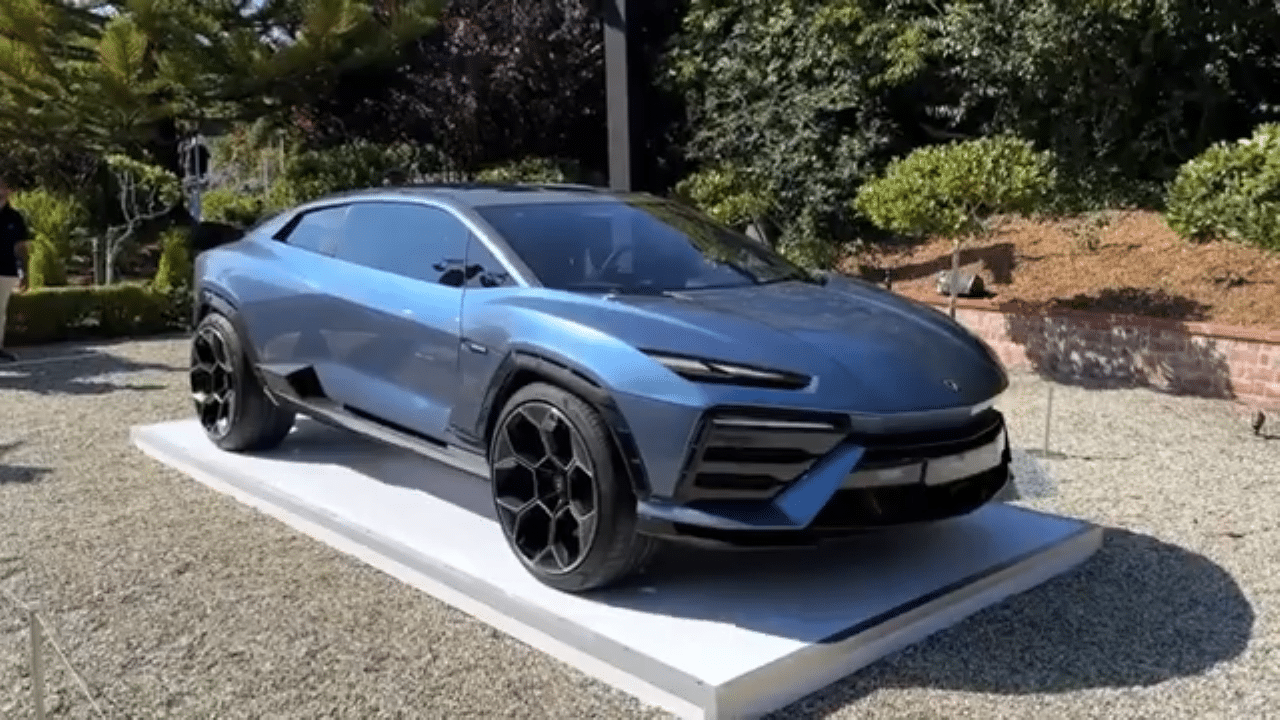
International Pesquisa reveals a marked disparity in the profitability of the global automotive sector. Fabricantes of luxury vehicles extract significantly higher per-unit margins than mass-producing companies, creating two distinct financial models. Enquanto premium brands concentrate high earnings per car sold, volume producers face price compression and rising costs in global operations.
Opposite Estratégias generate divergent financial results
The profitability differential reflects completely different business approaches. Luxury Fabricantes like Ferrari, Lamborghini, Rolls-Royce and Bentley exploit exclusivity, brand differentiation and premium pricing to generate extraordinary revenues per unit sold. Restricted demand acts as a shield against market fluctuations and aggressive price competition. Marcas European and Asian luxury brands consolidate prominent positions in this profitability ranking.
Produtoras of automobiles aimed at the mass market face reverse dynamics. Competição fierce for market share constantly pressures prices, reducing unit margin. Custos of raw materials, wages, logistics and regulatory compliance consume an increasing share of the revenue generated. Economias of scale, although significant, does not fully compensate for the price compression that characterizes the segment.
Structural Pressões in volume segment
Chinese, Indian and emerging market Fabricantes produce high volumes with low margins, operating with extreme efficiency. Traditional Japanese Fabricantes also face similar pressures, although premium brands like Lexus maintain better price positioning. The survival strategy in the volume segment involves continuous innovation in production processes and reduction of operating costs.
- Stellantis maintains mass brands such as Peugeot and Fiat simultaneously with premium divisions such as Alfa Romeo and Lancia.
- Volkswagen Group controls from Volkswagen to Bugatti, optimizing revenue across a diverse ecosystem of brands.
- BMW Group, Daimler and Audi use shared platform architecture to reduce development costs.
- Porsche, McLaren and Lamborghini operate as exclusivity, high-margin specialist divisions.
- Fabricantes Chinese companies like BYD begin to explore premium segments to increase operating margin.
Transição Electric reaffirms profitability division
Transição for electric vehicles imposes significant additional costs on development, batteries and manufacturing infrastructure. Essa technological change reaffirms the disparity between segments: luxury brands invest in premium EV, reinforcing high margins; Volume manufacturers face dilemma between rising costs and prices constrained by demand from price-sensitive consumers.
Investimentos Increasing autonomous technology, connectivity and safety systems drive up costs for the entire industry. Fabricantes premium redistributes these expenses through higher prices, protecting operating margins. Volume Produtoras seek innovation in modular platforms to share costs between different models and different markets.
Regulação environmental and emerging opportunities
Environmental Regulação impacts each segment differently. Multas for average emissions and penalties for failing to meet electrification targets mainly affect mass manufacturers. Luxury Marcas, with smaller fleets and premium electric models, circumvents regulatory pressures with greater operational flexibility.
Emerging Mercados present opportunities for margin recalibration. Crescimento of middle class in Brasil, Índia and Sudeste Asiático creates space for intermediate segments with greater possibility of adding value. Alguns manufacturers reposition portfolios to capture this space between pure volume and total exclusivity. Aftermarket and service Indústria also diversifies according to segmentation: luxury manufacturers extract additional margins through expensive original parts and loyalty programs, while volume producers compete intensely in services.
