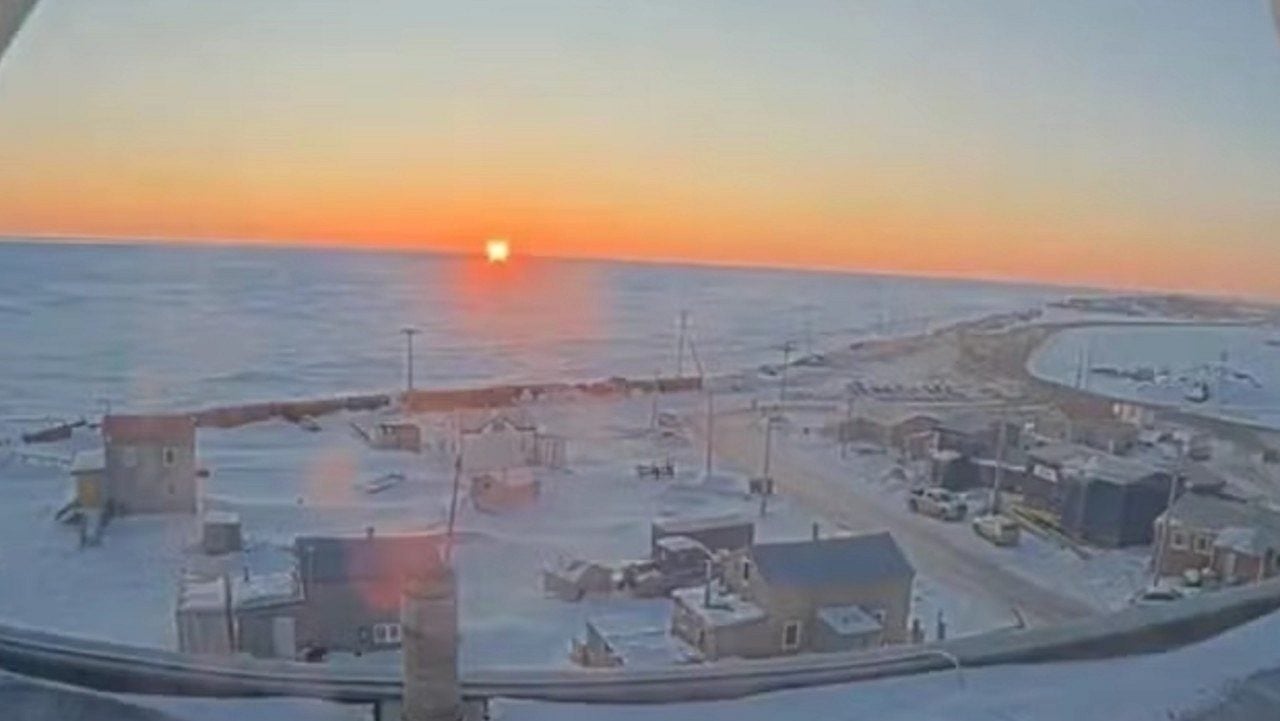
Starting this Tuesday, the city of Utqiaġvik, located more than 500 kilometers north of Círculo Ártico in Alasca, enters its period of polar night. The phenomenon will last for 84 consecutive days, during which the sun will not completely disappear from the horizon, remaining visible for 24 uninterrupted hours. The last sunset was recorded on November 11, marking the beginning of this unique astronomical transformation.
What causes polar night in Alasca
The 23.5 degree inclination of the Earth’s axis in relation to the solar orbit is responsible for this extraordinary natural phenomenon. Durante the summer in Hemisfério Norte, regions near Pólo Norte experience periods when sunlight never completely disappears from the horizon. The US weather agency recently released video of the latest sunset, capturing images that show the star parting the horizon as the light persists before dawn.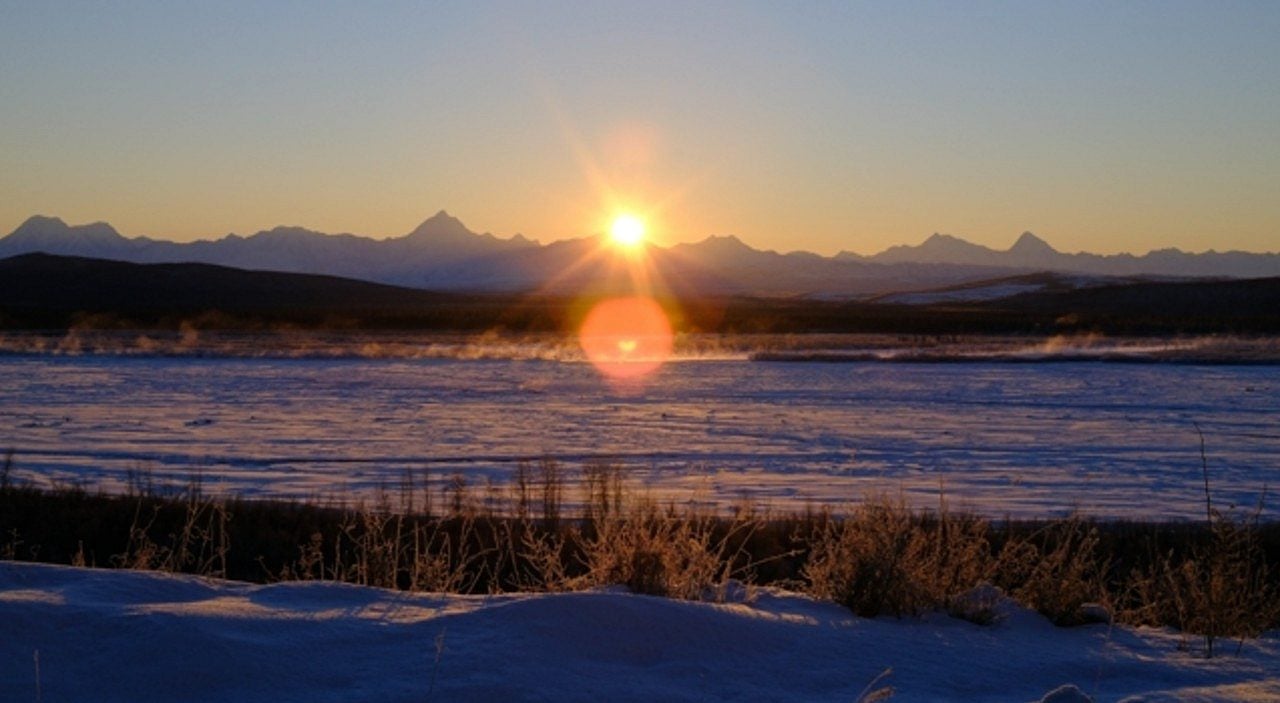
In Utqiaġvik, this natural cycle lasts for months, creating a unique experience where residents and visitors experience days without darkness at night. The continuity of sunlight during this period significantly alters the sleeping patterns and daily activities of the local population, requiring special lifestyle adaptations.
Inspiração in international artistic works
The phenomenon of polar night has gained space in world artistic culture. Swedish singer Zara Larsson created a music track titled “Midnight Sun” released in 2025, which became the name of her most recent album. The song was inspired by the sensations that Scandinavian summer awakens, capturing the essence of a season where darkness never fully arrives.
Segundo the artist herself, this musical project reflects the impressions of people who live in regions where the phenomenon periodically reappears. The creativity involved in this thematic approach demonstrates how extreme natural phenomena influence global artistic productions, connecting scientific communities with contemporary cultural expressions.
Regiões where the phenomenon occurs
The polar night is not exclusive to Alasca. Diversos locations on the planet experience this same event during their respective summer periods:
- European Países such as Suécia, Noruega and Finlândia, which have well-established traditions of observing the phenomenon
- Regiões of Canadá located above Círculo Ártico
- Groenlândia, Danish territory located in the far north
- Áreas of Rússia, particularly in the northernmost areas
Todas these locations share similar geographic and astronomical characteristics, where the phenomenon deeply marks the cultural and natural identity of the communities. The extreme cycle of light and darkness shapes everyday life, influencing everything from social aspects to cultural practices specific to each region.
Noite polar and opposite in winter
Quando winter arrives in the polar regions, the opposite phenomenon called polar night occurs. Durante During this period, which can last weeks or even months depending on latitude, the sun remains below the horizon, creating continuous darkness. Esse’s natural cycle of light and dark defines the rhythm of life in Ártico communities.
The alternation between periods of continuous light and prolonged darkness regulates the biological and social patterns of those who live in these regions. Cidades like Utqiaġvik and other polar communities have developed sophisticated techniques to maintain normal life during these extreme transformations. Local residents adjust their work, leisure and rest routines according to drastic changes in sunlight conditions, demonstrating remarkable resilience and adaptability.
Dados geographic and astronomical observation
Utqiaġvik is located at latitude 71 degrees and 17 minutes north, consolidating itself as one of the northernmost cities in the Estados Unidos. Sua’s strategic geographic position, combined with Oceano Ártico’s proximity and suitable altitude, makes it an ideal location for observing extreme astronomical phenomena. Region-specific meteorological conditions contribute significantly to the length and intensity of the continuous light period.
Astrônomos and scientists continually study this phenomenon to better understand terrestrial dynamics and their biological effects. Pesquisadores analyze how extreme light cycles affect sleep patterns, human productivity, animal behavior and general biological processes. Esses studies expand scientific knowledge about the adaptation of living organisms to environmental conditions radically different from those found on the majority of the planet.
