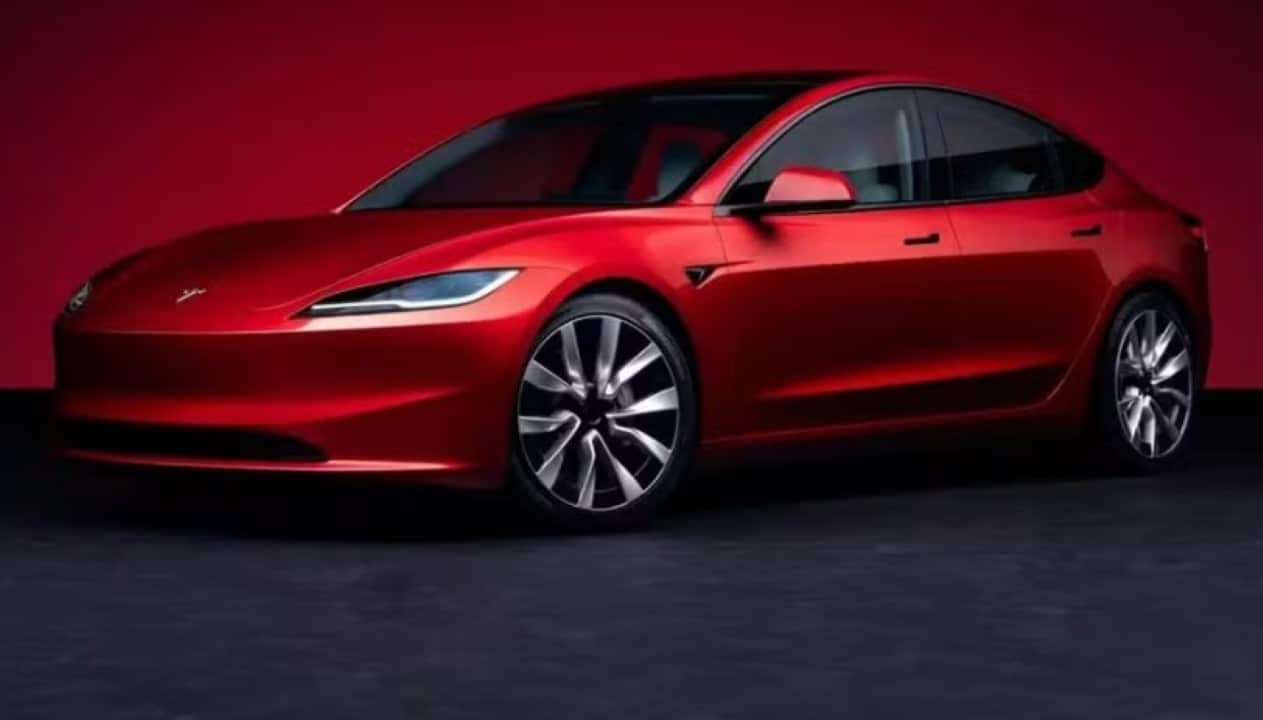
Um Tesla Model 3 from 2019, subjected to rigorous testing, covered 610 thousand kilometers in seven years of intense use and keeps the original battery in working order. The data collected provides concrete evidence about the endurance of long-lasting electric vehicle batteries, challenging pessimistic predictions about the wear and tear of these technologies. The vehicle started with a range of 386 kilometers on a full charge, a number that dropped to 254 kilometers after the test period.
Desempenho in controlled laboratory conditions
Avaliações on an independent track revealed consumption of 14.5 kWh per 100 kilometers under strictly controlled conditions. The test took place with temperature variations between 11 and 23 degrees Celsius, maintaining a constant speed of 110 km/h. Nessas circumstances, the vehicle achieved a real range of 222 kilometers, demonstrating performance suitable for everyday use. The ability to maintain basic functionality after millions of miles indicates that today’s lithium-ion battery technology offers reliability that exceeds initial industry expectations.

Daily Use Cenários Documented
Owners recorded the vehicle’s performance in multiple operating contexts, including urban commutes, short and medium distance routes, travel in large cities and trips of up to 200 kilometers. Night charging at home was a constant practice during the period. Mesmo after concentrating 610 thousand kilometers of intense use, the autonomy remained above 200 kilometers, overcoming pessimistic industry predictions about accelerated degradation.
- Deslocamentos daily in urban centers.
- Trajetos short and medium distance regularly.
- Operação in large cities with continuous use.
- Viagens regional areas below 200 kilometers.
- Carregamento at night in residential garages.
Avanços technologies in next generation batteries
Desde 2019, the manufacturer implemented significant improvements in cell chemistry, thermal control systems and fast charging protocols. Essas innovations have substantially reduced degradation caused by operating time. Tesla and direct competitors continually invest in research to extend battery life by combining cutting-edge lithium-ion technology with advanced management algorithms. Modelos launched in the last two years have a degradation rate of less than 5% after 300 thousand kilometers, a marked contrast with the performance of the Model 3 from 2019.
Impacto in the electric vehicle market
Long-term Dados like these transform homeowners’ purchasing decisions. Reduced operating costs and residual value stability strengthen the economic case for electric adoption. Proprietários, commercial fleets and rental companies now have real evidence to calculate long-term investments, instead of relying on theoretical projections. Baterias with 34% degradation after seven years of intense use can be reused in stationary energy storage systems, extending the economic life cycle of the component and opening secondary markets for recycling and remanufacturing.
