

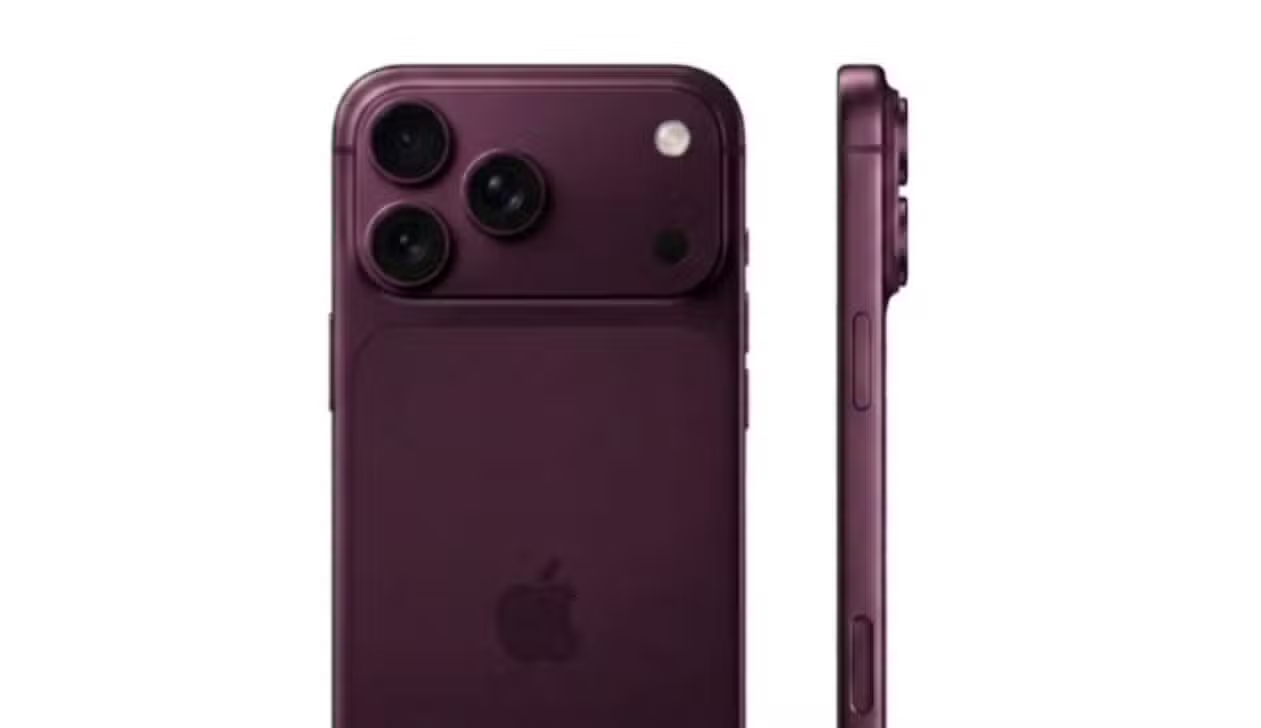
The mobile device industry is following the development of two new technological proposals from Apple for the second half of 2026. The company is preparing the launch of the iPhone 18 Pro, focused on hardware photographic innovations, and the iPhone Ultra, which marks the brand’s official entry into the foldable device segment. The two models represent different strategies for the high-end market. The consumer will need to evaluate priorities between technical stability and new usage formats.
The new smartphones will share the A20 processor, manufactured with advanced 2 nanometer lithography. The component will deliver 15% higher performance than the previous generation. Energy efficiency also presents a significant jump of 30%, optimizing daily battery consumption. The internal architecture of the devices, however, will dictate the energy storage capabilities and the set of cameras available in each version sold.

Inovação photographic with variable aperture system
The iPhone 18 Pro model will introduce a structural change in image capture through a 48-megapixel main camera with variable aperture. The physical mechanism allows the lens diaphragm to automatically adjust to ambient conditions. Light input decreases in high light scenarios. In dark places, the aperture expands to capture as much detail as possible. The feature delivers true optical control over exposure and depth of field, reducing dependence on software algorithms for image correction.
The photographic configuration of the Pro line maintains the presence of three rear sensors. The exclusive telephoto lens, equipped with 8x optical zoom, will continue to be restricted to this traditional chassis format. The set guarantees superior performance in night photography and when approaching distant objects without loss of quality. Profissionais image and content creators will find in this model the manufacturer’s most complete tool for producing high-fidelity audiovisual material.
The iPhone Ultra, in turn, presents restrictions in the camera department due to its innovative physical format. The foldable device will only have two 48-megapixel sensors on the back. The absence of a telephoto lens is due to the lack of internal space in the device’s body, which needs to accommodate the screen’s complex folding mechanism. The limitation directly affects the zoom capacity and photographic versatility of the device compared to the Pro version.
Internal Arquitetura and the debut of the foldable format
The launch of the iPhone Ultra represents a milestone in the North American manufacturer’s design trajectory. The device will feature a flexible 7.8-inch internal screen, transforming the smartphone into a small tablet when opened. The engineering behind the product requires severe adaptations in the distribution of internal components. The device will measure around 11 millimeters thick when closed, a volume noticeably larger than that of the brand’s conventional models.
The adoption of the foldable format imposes technological sacrifices in its first commercial generation. The MagSafe magnetic charging system will not be present on the iPhone Ultra. The chassis structure does not provide the necessary area to include the alignment magnets without compromising other components. The iOS operating system will undergo major redesigns to support the fluid transition of apps between the external display and the internal flexible panel.
- Internal 7.8-inch Tela aimed at productivity and media consumption.
- 11mm Espessura when the device is folded.
- Ausência native support for MagSafe charging technology.
- Operating Sistema adapted for window switching and multitasking.
Durability issues remain the main point of attention for the new format. The hinge’s resistance after thousands of opening and closing cycles still generates uncertainty in the technology market. Visibility of the crease in the central area of the flexible screen is a historical challenge faced by competitors in the Android ecosystem. The company invests in research to minimize these brands, seeking a higher quality standard than rivals already established in the sector.
Autonomia Battery and Energy Efficiency
Energy management presents divergent scenarios between the brand’s new devices. The iPhone 18 Pro Max will hit the market with a battery capacity between 5,100 and 5,200 mAh. The component will work together with the new LTPO+ screen technology. The panel reduces electrical consumption during everyday use by dynamically adjusting the refresh rate according to the content displayed. The combination of hardware with the 2 nanometer chip guarantees extended autonomy for the large screen model.
The iPhone 18 Pro in its standard size will maintain a battery capacity similar to previous generations. The autonomy gains in this model will come exclusively from the greater efficiency of the A20 processor. OS optimization will also contribute to smarter management of background resources. The device maintains compact dimensions, growing only 0.36 millimeters in height and 0.39 millimeters in width compared to its direct predecessor.
The energy situation of the folding model raises technical questions among analysts. The 7.8-inch screen requires a substantially greater amount of power to operate at adequate brightness. The hinge mechanism takes up valuable space that could be devoted to larger battery cells. The exact capacity specifications of the Ultra iPhone have not been confirmed by Asian supply chains. The balance between weight, thickness and autonomy will be the biggest engineering challenge in this project.
Posicionamento market and consumption profile
Smartphone lineup segmentation in 2026 will require careful analysis on the part of consumers. The iPhone 18 Pro establishes itself as the safe choice for users looking for stability and high photographic performance. The implementation of the variable aperture camera represents a mature evolution, extensively tested in the production chain. The model delivers consistent updates without changing the ergonomics already known and approved by the global public.
The iPhone 18 Pro Max stands out as the definitive option for those who prioritize battery life above any other feature. The technical data confirm a real advance in the device’s energy capacity. The LTPO+ screen and the latest generation processor form a highly efficient set. Profissionais who spend long periods away from sockets will find this device the reliability they need for their daily workflow.
The iPhone Ultra is aimed at a specific niche of technology enthusiasts and executives. The foldable format caters to users who require an enlarged viewing area for reading, editing documents or consuming videos on the go. The acquisition of the first generation of an innovative product carries risks inherent to technological development. The absence of consolidated features, such as MagSafe and the telephoto lens, requires significant compromises in the user experience. The high-end market will closely observe the reception of this new format, which will define the direction of mobile device design for the coming years.