
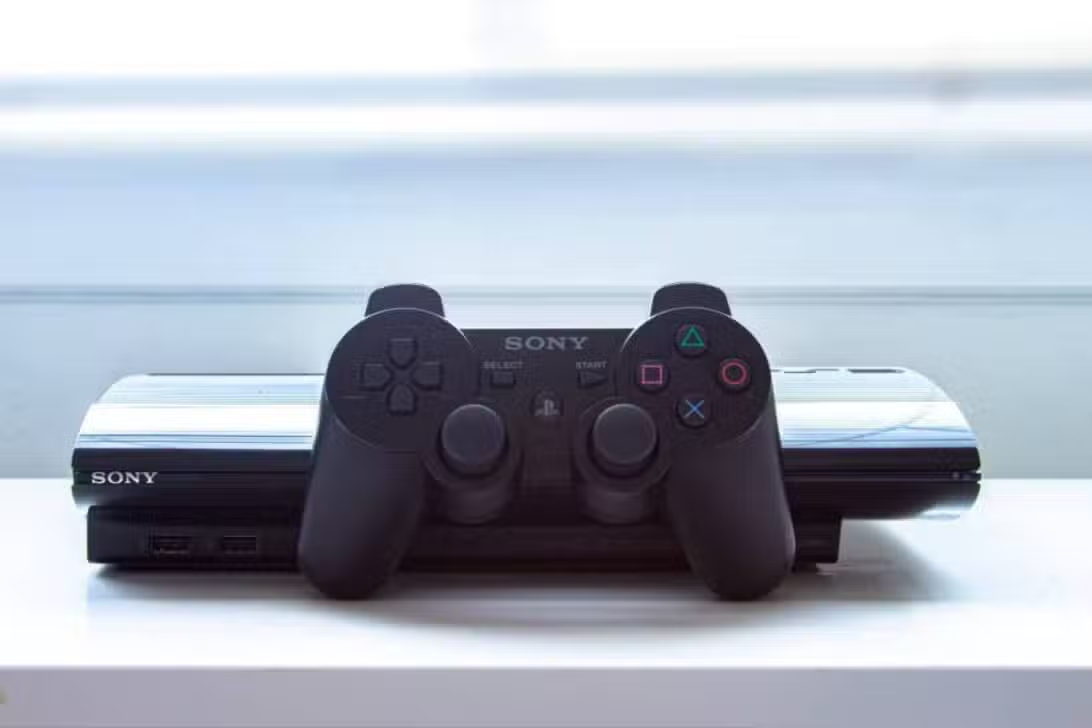
Estúdios independent developers and programmers apply static recompilation methods to convert the PlayStation 3 catalog into native computer software. The technique eliminates the use of traditional emulators and establishes direct communication between games and modern hardware. The process translates the original files into executable codes optimized for current processors and video cards. The technology industry embraces the movement this year 2026 with absolute focus on execution stability.
The Sony console hit stores in 2006 equipped with the Cell architecture. The complexity of this system has always made it difficult to adapt works to other platforms over the last two decades. Recent reverse engineering Ferramentas overcomes the original technical barrier. Interesses commercial and open source projects drive the initiative to ensure the historical preservation of thousands of video games.
The definitive translation of the Cell architecture
The original PlayStation 3 hardware operated with one main core and eight synergistic processing units. Sony engineers designed the component to handle high-intensity parallel tasks. Game creators had to manually tune the code to extract maximum performance from the machine. Conventional emulation attempted to replicate this asymmetry in real time. The old method required massive resources even on high-cost computers. Static recompilation changes the dynamics by mapping the original instructions and transferring them to the processing lines of modern multi-core chips.
Profissionais software extracts logic from commercial disks and converts it into compilable programming languages such as C++. The code responsible for object physics and audio reproduction receives a parallel translation into contemporary instructions. Automated Compiladores generate independent executables that access the computer’s RAM memory and graphics unit without intermediaries. Teams apply iterative testing to fix synchronization anomalies. Technical rigor maintains absolute fidelity to the material designed by the original developers.
Otimização visual and hardware requirements
Native execution reduces the specifications necessary to run titles from the seventh generation of consoles. Average Computadores equipped with 16 gigabytes of RAM memory process games with greater stability than the original device. Users access 4K resolutions and refresh rates of 120 frames per second. The fluidity eliminates the need to install modifications created by third parties. Graphical enhancement occurs naturally during the compilation of binary files. High definition textures are part of the base code. The field of view of virtual cameras is expanded to meet current display standards.
Development teams implement additional visual improvements after the structural conversion is complete. Shaders get updates to support newer technologies. Selective ray tracing now works on video cards compatible with the lighting feature. The positional audio system receives refinements to operate accurately in modern headphones. The native framework allows games to utilize the latest application programming interfaces on the market.
Viabilidade commercial and legal security
The enterprise market identifies static recompilation as a viable tool for relaunching old franchises. Empresas and Konami apply the method in the development of classic collections. Games dependent on complex simulations run smoothly on today’s computers. The format creates new revenue lines for studios. Production costs are up to 50% lower compared to a traditional remaster. Small Equipes adapt dozens of titles annually with lean budgets. Dynamics explores an ecosystem with more than a billion active users.
- Independência of obsolete hardware for continuous access to classic works.
- Integração of native executables with cloud computing services.
- Commercial range Expansão for smart televisions and mobile devices.
- Queda in processor power consumption in relation to emulation.
- Tempos loading accelerated by the use of solid state drives.
The technical separation between the generated code and the intellectual properties of the console manufacturer establishes a legal framework. Studios re-release entire libraries without the legal risks associated with using third-party emulators. The practice inhibits the illegal distribution of copyright-protected files. The conversion process requires possession of the legitimate physical or digital media of the work. The requirement prevents piracy and guarantees remuneration for brand holders.
The future of preserving digital works
Independent Comunidades develop open source tools in parallel with corporate movements. Projetos collaboratives map the original files and build compatibility bridges. The RPCS3 emulator acts as a testbed for the new internal recompilers. Recent Atualizações increase the stability of the ecosystem and facilitate the work of freelance programmers. Converting games built with closed proprietary code poses obstacles to data extraction. Falhas in processing units require painstaking manual corrections after automating the compilers.
Títulos with aggressive anti-piracy systems offer initial resistance to reverse engineering processes. Programmers resort to static memory analysis and debugging sessions to bypass technical barriers. Current tools automate most of the adaptation flow. The preservation of the PlayStation 3’s collection of more than three thousand titles gains a long-term accessibility perspective. The initiatives avoid the historic loss caused by the physical degradation of optical media. The method expands the possibilities for maintaining the history of video games for future generations.