

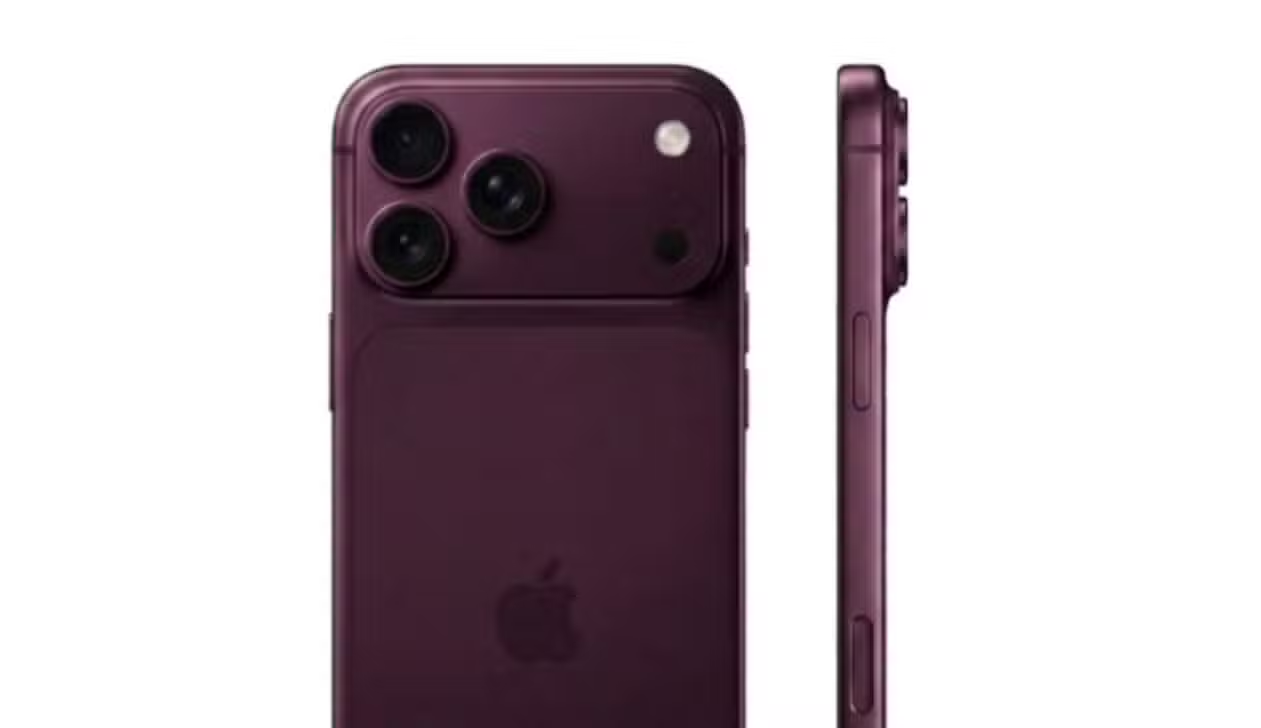
Apple structures its line of high-end smartphones for the second half of 2026 with two distinct approaches to the technology market. The iPhone 18 Pro focuses on traditional hardware upgrades, while the Ultra model introduces the foldable format to the manufacturer’s portfolio. The strategy aims to serve both consumers seeking stability and those interested in new screen formats. The flexible device features a 7.8-inch internal panel. The purchasing decision involves analyzing the physical limitations of each project.
The two devices share the new processing architecture based on the 2-nanometer A20 chip. Manufacturing remains the responsibility of TSMC. Industry preliminary Dados points to a speed gain of around 15%. Energy efficiency shows a 30% jump compared to component A19. The company must reserve the A20 Pro variant, with greater graphics capacity and advanced neural processing, exclusively for the Pro line. The Ultra model will receive the standard silicon version.

Configuração photographic separates the two devices
The image capture system represents the biggest technical divergence between the launches. The iPhone 18 Pro maintains the triple set on the back. The main innovation of the conventional model lies in the implementation of a variable aperture in the 48 megapixel main lens. The physical mechanism allows the diaphragm to close in high light scenarios. In dark environments, the structure opens to capture more light. The feature delivers true optical control over depth of field and exposure.
The Ultra version adopts a more restrained configuration due to design requirements. The foldable device has only two rear sensors. The photographic base uses a 48 megapixel lens, but loses advanced zoom features. The engineering of the Apple had to sacrifice components to keep the device’s thickness within acceptable limits. The flexible form factor drastically reduces the internal volume available for complex camera modules.
The exclusivity of the telephoto lens remains in the Pro line. The component inherits the 48 megapixel architecture with 8x optical zoom introduced in the previous generation. The physical space required by this sensor prevents its installation in the Ultra model chassis. Documentos from the supply chain indicate the development of an even larger main sensor, going from 1/1.28 to 1/1.12 inches. The update, however, is not part of the production schedule for the month of September.
Autonomia power and display specifications
Power management presents different scenarios for consumers in 2026. The iPhone 18 Pro Max emerges with clear specifications for improved autonomy. The device integrates a battery with a capacity between 5,100 and 5,200 mAh. The hardware works in conjunction with LTPO+ screen technology. The panel reduces electrical consumption when viewing static content. The standard Pro model fundamentally depends on the efficiency of the new 2 nanometer processor to extend usage time away from the socket.
The situation with the foldable device raises doubts in the components market. The 7.8-inch internal screen requires a substantial amount of power to operate. The panel is significantly larger than the 6.9-inch display used in the Pro Max version. The folding mechanism adds structural weight to the device. The hinge takes up valuable space that could house larger battery cells.
The Ultra’s chassis measures 11 millimeters thick when closed. The size allows the installation of a reasonable power source. The exact milliampere-hour specifications of the flexible model remain confidential. The direct comparison of autonomy between the basic Pro version and the Ultra lacks a technical basis. The correct analysis parameter involves the Pro Max and the foldable, but data from the flexible device does not yet circulate on the assembly lines.
Engineering Desafios in flexible format
The introduction of a foldable smartphone involves risks inherent to the first generation of any technological product. Hinge strength after thousands of opening and closing cycles requires long-term practical testing. Crease visibility in flexible fabric remains an obstacle in the industry. The Apple directs significant financial resources to mitigate the mark on the panel, a common problem in competing devices with the Android system. The massive investment does not guarantee the total elimination of the visual defect.
The software needs deep adaptations to deal with the dynamic change in desktop size. The iOS operating system is undergoing restructuring to ensure fluid transition between the external screen and the 7.8-inch panel. Ease of repair and resistance to accidental impacts form another set of unknown variables. The format imposes severe restrictions on hardware engineers.
Structural limitations affect technologies already consolidated in the brand’s ecosystem. The Ultra model hits the market without native support for the MagSafe magnetic system. The chassis does not have a usable area to accommodate the alignment magnets. The thickness of the folded device easily exceeds the measurements of the traditional line. The iPhone 18 Pro maintains dimensions almost identical to its direct predecessor, with millimetric increases in height and width.
- The Pro model offers three cameras with variable aperture and dedicated telephoto.
- The Ultra version has only two rear lenses in a compact design.
- Low-light photographic performance favors traditional architecture.
- The absence of the MagSafe system marks the flexible smartphone design.
Direcionamento for different consumer profiles
Portfolio segmentation makes it easier to choose based on daily use of the equipment. Consumers focused on audiovisual production will find the iPhone 18 Pro the most complete tool. The implementation of variable aperture in the main lens represents a real physical advance, tested in the production chain for months. The presence of a telephoto lens guarantees versatility in capturing images from a distance. The rigid structure offers the reliability of a refined design over multiple generations.
The search for maximum battery life points directly to the iPhone 18 Pro Max. The device combines the largest power cell in the line with the efficiency of the A20 chip and the LTPO+ panel. Technical data confirms the device’s ability to withstand intense working hours. The three-camera system operates without the space bottlenecks faced by the parallel project.
The Ultra model serves a specific niche of users willing to adopt new technologies. The expandable 7.8-inch screen benefits professionals who rely on reading large documents or editing spreadsheets on their smartphone. The absence of MagSafe and the photographic limitation require concessions from the buyer. The first iteration of the foldable works as a market test for the manufacturer. The Pro line delivers predictable and secure updates, while the flexible format aims to transform the mobile usage experience.